

Chiurlo piccolo vs Chiurlottello
Numenius phaeopus contro Numenius tenuirostris
Fai un quiz con Chiurlo piccolo e Chiurlottello
 Chiurlo piccolo
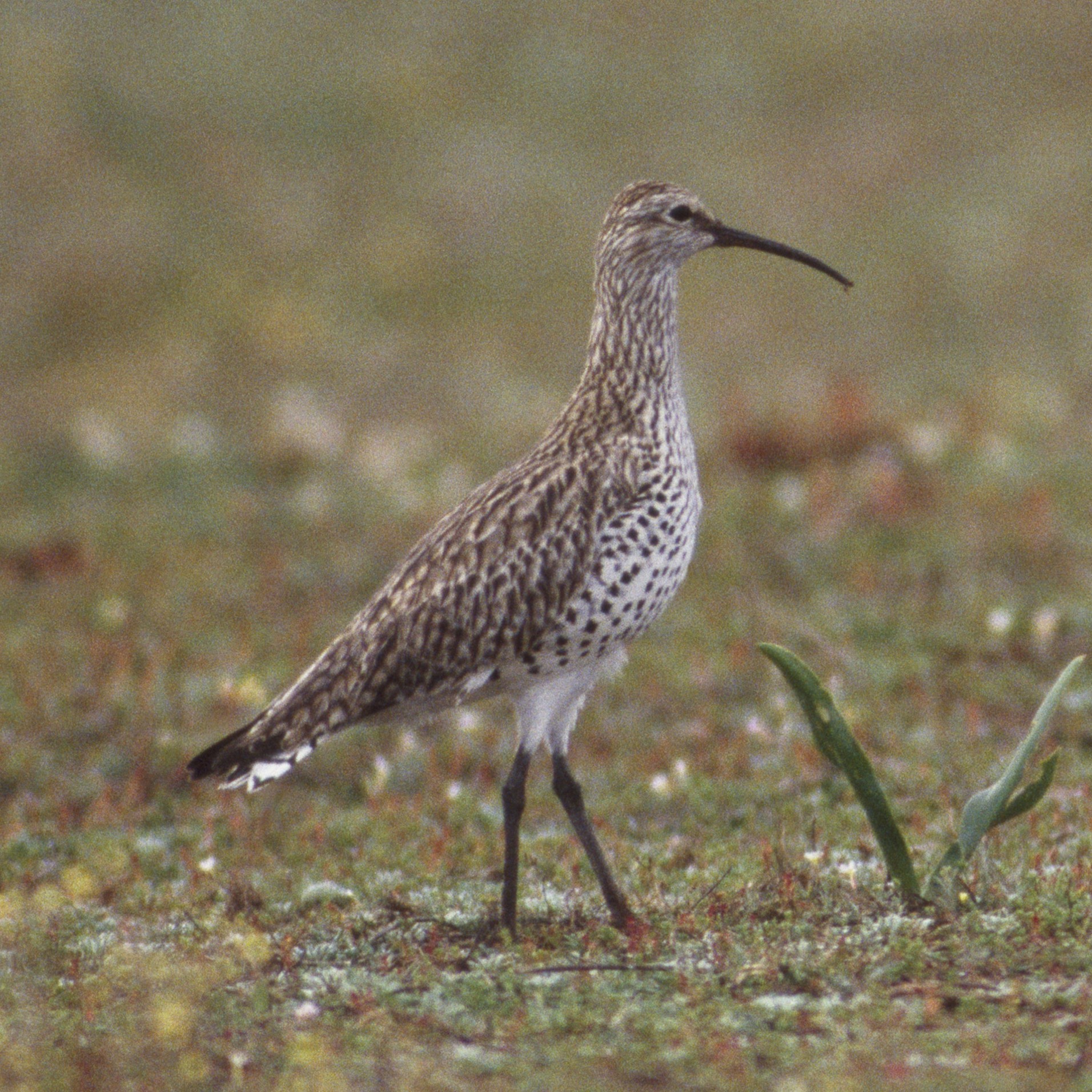 Chiurlottello
In breve
Il segno di campo più affidabile per separare il Chiurlo piccolo dal Chiurlottello è il modello della testa e del fianco: il Chiurlo piccolo mostra un modello di testa audace con una striscia centrale sulla corona e un forte supercilium, mentre il Chiurlottello ha un modello di testa meno distinto e, negli adulti, macchie distintive a forma di cerchio o cuore sui fianchi. In volo, entrambi mostrano un sopracciglio bianco, ma il Chiurlottello è più bianco sotto e sulla coda, con meno barre sulla coda e una 'mano' (primarie esterne) più uniforme e scura sotto. Anche la forma del becco aiuta: il becco del Chiurlo piccolo è più lungo e più evidentemente piegato, mentre quello del Chiurlottello è più corto, più snello e più dritto alla base. Entrambi sono simili in dimensioni, ma il contesto e i dettagli del piumaggio specifici per età sono cruciali per un'identificazione sicura.
Consigli di identificazione
- Modello della testa: Il Chiurlo piccolo mostra un modello di testa audace e contrastante con un forte supercilium bianco, una corona scura e una striscia centrale chiara sulla corona. La testa del Chiurlottello è meno distintamente marcata, priva della chiara striscia centrale sulla corona e con un supercilium meno evidente. Questo è più utile in uccelli posati o che si nutrono.
- Marcature del fianco (adulti): L'adulto Chiurlottello ha macchie nere rotonde o a forma di cuore sui fianchi, mentre il Chiurlo piccolo ha solo striature o barre, mai macchie. Nei giovani e nei primi inverni, il Chiurlottello mostra solo striature fino alla prima muta post-giovanile.
- Sottoala e primarie (tutte le età): In volo, il Chiurlottello mostra un lato inferiore uniformemente scuro delle primarie esterne 4–6 ('mano'), un segno di campo chiave. Il Chiurlo piccolo non mostra questa caratteristica; la sua sottoala è più decorata.
- Modello della coda: Il Chiurlottello ha una coda più bianca con meno barre scure distintive rispetto al Chiurlo piccolo, che ha una coda più pesantemente barrata.
- Rump: Entrambe le specie mostrano un sopracciglio bianco in volo (Eurasian Chiurlo piccolo e Chiurlottello), quindi questo non è diagnostico tra di loro, anche se separa entrambi dal Chiurlo Hudsoniano del Nuovo Mondo.
- Forma del becco: Il becco del Chiurlo piccolo è lungo, fortemente curvato con un evidente piegamento. Il becco del Chiurlottello è più corto, più snello e più dritto alla base, specialmente nei maschi (le femmine hanno un becco più lungo ma comunque meno piegato rispetto al Chiurlo piccolo).
- Colore delle gambe: Gli adulti del Chiurlottello hanno gambe nere; i giovani e i primi anni hanno almeno gambe grigie più scure. Il colore delle gambe del Chiurlo piccolo non è specificato come diagnostico, ma non è descritto come nero.
- Parte inferiore: Il Chiurlottello è più bianco sotto, specialmente sul petto, sulla coda e sulla sottoala, rispetto al Chiurlo piccolo, che è più uniformemente striato e meno bianco nel complesso.
- Supercilium e striscia sulla corona: Il supercilium del Chiurlo piccolo è forte e la striscia sulla corona è ovvia; quelle del Chiurlottello sono deboli o assenti, rendendo la testa più semplice.
- Differenze sessuali: La femmina del Chiurlottello ha un becco più lungo rispetto al maschio, ma entrambi i sessi sono simili nel piumaggio. Il Chiurlo piccolo mostra poco dimorfismo sessuale sul campo.
- Trappole per l'età: Il giovane Chiurlottello manca delle macchie diagnostiche a forma di cuore sui fianchi, quindi fai attenzione a confondere i giovani con fianchi striati con il Chiurlo piccolo. Usa la sottoala e il modello della testa in questi casi.
- Habitat/contesto: Qualsiasi uccello simile a un curlew visto in Eurasia oggi è estremamente probabile che sia un Chiurlo piccolo; il Chiurlottello è considerato estinto, quindi le affermazioni richiedono prove eccezionali.
- Volo: Entrambe le specie sono simili in volo, ma cerca la combinazione di modello della sottoala, barre della coda e modello della testa per la migliore separazione.
- Voce: Solo il richiamo del Chiurlo piccolo è descritto; se senti un fischio ondulato o un trill, supporta il Chiurlo piccolo ma non esclude il Chiurlottello.
- Stagione: Le macchie a forma di cuore nel Chiurlottello appaiono solo dopo il primo inverno, quindi non fare affidamento su questo segno per i giovani visti in autunno o all'inizio dell'inverno.
Taglia
Entrambe le specie sono molto simili in dimensioni: il Chiurlo piccolo misura 37–47 cm di lunghezza con un'apertura alare di 75–90 cm, mentre il Chiurlottello è lungo 36–41 cm con un'apertura alare di 77–88 cm. La massa non è diagnostica sul campo. In generale, la dimensione da sola non separerà in modo affidabile queste due specie, specialmente a distanza o in stormi misti.
Piumaggio
-
Giovane/Primo inverno: Il giovane Chiurlottello assomiglia agli adulti ma manca delle distintive macchie a forma di cuore sui fianchi, mostrando invece striature marroni sui fianchi. Queste macchie si sviluppano verso la fine del primo inverno. La sottoala è bianca, ma questo non è così affidabile come segno di campo come a volte suggerito. Il lato inferiore delle primarie esterne (la 'mano') è uniformemente scuro nel Chiurlottello (4–6 piume), che è un segno chiave per tutte le età, specialmente in volo. I giovani e gli adulti del Chiurlo piccolo non mostrano questa caratteristica e hanno una sottoala più decorata.
-
Adulto in riproduzione: Il Chiurlo piccolo è principalmente marrone grigiastro sopra con un dorso e un sopracciglio bianchi (negli uccelli eurasiatici), e un modello di testa fortemente marcato (forte supercilium, corona scura con una striscia centrale chiara). Le parti inferiori sono striate ma mancano delle macchie rotonde/a forma di cuore dell'adulto Chiurlottello. Gli adulti del Chiurlottello sono anche marrone grigiastro sopra con un sopracciglio bianco e parte bassa della schiena, ma le parti inferiori sono più bianche e fortemente striate, con macchie distintive rotonde o a forma di cuore sui fianchi. La coda è più bianca con meno barre scure rispetto al Chiurlo piccolo.
-
Non in riproduzione: Il piumaggio non in riproduzione del Chiurlottello è simile a quello in riproduzione ma con meno macchie sui fianchi. Il piumaggio non in riproduzione del Chiurlo piccolo non è significativamente diverso da quello in riproduzione, ma il modello della testa rimane forte.
Comportamento
Non sono state notate differenze comportamentali diagnostiche nelle fonti. Entrambe le specie si nutrono sondando il fango per invertebrati e possono essere viste raccogliere prede dalla superficie. Il comportamento di volo e di foraggiamento non è affidabilmente diverso sul campo.
Habitat
Entrambe le specie si trovavano storicamente nelle zone umide eurasiatiche, ma il Chiurlottello è ora considerato estinto ed è sempre stato molto più raro. Il Chiurlo piccolo è diffuso in tutta l'Eurasia subartica e temperata, riproducendosi in tundra aperta e brughiere, mentre il Chiurlottello si riproduceva principalmente nella Steppa Kazaka e svernava intorno al Mediterraneo in habitat di acqua dolce poco profondi. Nel contesto moderno, qualsiasi uccello simile a un curlew visto in Europa è quasi certamente un Chiurlo piccolo, poiché il Chiurlottello è funzionalmente estinto.
Voce
Solo il richiamo del Chiurlo piccolo è descritto: un fischio ondulato, a volte prolungato in un trill. Non vengono forniti dettagli sulle vocalizzazioni del Chiurlottello, quindi la voce non è un separatore affidabile basato sulle informazioni attuali.