

Western Woodhaunter vs Eastern Woodhaunter
Automolus virgatus contro Automolus subulatus
Fai un quiz con Western Woodhaunter e Eastern Woodhaunter
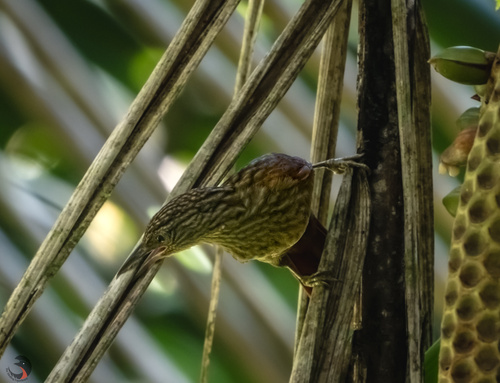 Western Woodhaunter
 Eastern Woodhaunter
In breve
Western e Eastern Woodhaunter sono estremamente simili in dimensioni, struttura e colorazione generale, ma differiscono in caratteristiche del piumaggio sottili ma coerenti, specialmente sulla schiena, sul sottocoda e sulla coda. Il segno di campo più affidabile è il colore del sottocoda e della coda: Western Woodhaunter mostra un sottocoda di un marrone ruggine-olivaceo opaco e una coda di un cannella più chiaro, mentre Eastern Woodhaunter ha un sottocoda e una coda di un castagno più ricco. Le striature sul petto e sulla schiena sono anche sottilmente diverse, con Eastern che tende a mostrare striature più ampie e sfocate sul petto. I giovani Eastern sono più chiari sotto con striature meno distinte. Il modello del becco e del viso è quasi identico, quindi concentrati sul colore del sottocoda/coda e sulle striature del petto quando separi questi due sul campo.
Consigli di identificazione
- Rump and tail color: Western Woodhaunter mostra un sottocoda di un marrone ruggine-olivaceo opaco e una coda di un cannella più chiaro, mentre Eastern Woodhaunter ha un sottocoda e una coda di un castagno più ricco. Questo è il segno di campo più coerente per adulti di entrambi i sessi e tutte le stagioni, ma fai attenzione all'illuminazione e al piumaggio usurato.
- Breast streaking: Eastern Woodhaunter ha ampie striature dorate sfocate sul petto che svaniscono prima di raggiungere il ventre, mentre il petto di Western è di un fawn più profondo con bordi scuri ma meno estese striature. Questo è meglio visto da vicino o in buona luce.
- Back color and streaking: La schiena di Western è marrone scuro con striature dorate che si allargano man mano che si estendono sulla schiena; la parte superiore della schiena di Eastern è di un ricco marrone scuro con striature simili ma leggermente meno contrastanti. Le sottospecie possono offuscare questa differenza.
- Juvenile/immature plumage: Solo descritto per Eastern: i giovani sono più chiari sotto e hanno striature meno distinte, rendendoli apparire più semplici degli adulti e potenzialmente più simili a Western, ma il sottocoda e la coda castani dovrebbero comunque essere evidenti.
- Face pattern: Entrambi hanno un viso marrone scuro con striature dorate, anello oculare pallido e striscia dietro l'occhio; questo non è utile per la separazione.
- Bill color: Entrambe le specie hanno un becco marrone-nero a scuro con alcune parti gialle o pallide sulla mandibola; non diagnostico.
- Leg color: Western ha gambe e piedi marroni; Eastern's sono grigio ardesia a grigio oliva, ma questo è sottile e raramente visibile in campo.
- Subspecies variation: Alcune sottospecie di Western (assimilis) sono più rugginose, e alcune di Eastern (lemae) sono più olivacee. Controlla sempre il colore del sottocoda e della coda, non solo il tono generale.
- Geographic range: Se in America Centrale o a ovest delle Ande, aspettati Western; a est delle Ande in Amazzonia, aspettati Eastern. L'overlap è minimo tranne che nella Colombia/Ecuador amazzonica occidentale.
- Habitat: Entrambi utilizzano il sottobosco umido della foresta e i livelli medi; l'habitat non è un separatore tranne come proxy per l'area.
- Foraging behavior: Entrambe le specie si nutrono in modo simile, spesso con stormi misti e sondando tra foglie morte ed epifite. Il comportamento non le separa.
- Size and structure: Entrambi sono grandi per il loro genere, con un becco corto e pesante e proporzioni simili. La dimensione non è un utile segno di campo.
- Sex and season: Nessun dimorfismo sessuale o forte cambiamento stagionale nel piumaggio; tutti i segni di campo si applicano tutto l'anno e a entrambi i sessi.
- Lighting and wear: I toni di cannella e castagno possono sembrare simili in scarsa illuminazione o su uccelli usurati; cerca sempre di vedere il sottocoda e la coda in buona luce.
- Voice: Nessuna informazione comparativa disponibile; non fare affidamento sulle vocalizzazioni per la separazione basata sulle fonti attuali.
Taglia
Entrambe le specie sono molto simili in dimensioni, con una lunghezza di 17–18 cm. Western Woodhaunter pesa in media circa 35 g, mentre Eastern Woodhaunter varia da 25 a 38 g, quindi c'è un completo sovrapposizione e nessuna differenza di dimensione affidabile sul campo. Entrambi hanno un becco corto e pesante tipico di Automolus, e le proporzioni complessive sono simili.
Piumaggio
Il piumaggio giovanile e immaturo è descritto solo per Eastern Woodhaunter: i giovani sono più chiari sotto e hanno striature meno distinte, il che può farli apparire ancora più semplici di Western. Per gli adulti, Western Woodhaunter (nominate) mostra un sottocoda marrone ruggine-olivaceo opaco, copritail di un rosso cannella profondo e una coda di un cannella più chiaro, con le striature sulla schiena che si allargano man mano che si estendono sulla schiena marrone scuro. Eastern Woodhaunter ha un sottocoda e una coda castani, con la parte superiore della schiena di un ricco marrone scuro e il petto che mostra ampie striature dorate sfocate che svaniscono prima di raggiungere il ventre. Esistono differenze sottili nelle striature del viso e della corona, ma entrambe le specie hanno un viso marrone scuro con striature dorate e un anello oculare pallido. La variazione delle sottospecie complica le cose: alcune sottospecie di Western (assimilis) sono più rugginose, mentre alcune di Eastern (lemae) sono più olivacee, quindi controlla sempre il colore del sottocoda e della coda in buona luce.
Comportamento
Entrambe le specie si nutrono in modo simile, di solito singolarmente e spesso come parte di stormi misti, muovendosi attraverso il sottobosco della foresta fino ai livelli medi. Sondano e raccolgono lungo grandi rami, viti e tra foglie morte, a volte 'scavando' in ciuffi. Non sono state notate differenze comportamentali che aiutino nella separazione sul campo.
Habitat
L'area è il miglior indizio di habitat: Western Woodhaunter si trova dall'Honduras e Nicaragua a sud attraverso Costa Rica e Panama fino alla Colombia e Ecuador occidentali. Eastern Woodhaunter si trova a est delle Ande nel bacino amazzonico (Bolivia, Brasile, Colombia, Ecuador, Perù, Venezuela). Entrambi occupano foreste umide, ma se ti trovi a ovest delle Ande o in America Centrale, stai quasi certamente vedendo Western; a est delle Ande in Amazzonia, è Eastern.
Western Woodhaunter · Eastern Woodhaunter · I miei uccelli difficili