

Balestruccio vs Asian House-Martin
Delichon urbicum contro Delichon dasypus
Fai un quiz con Balestruccio e Asian House-Martin
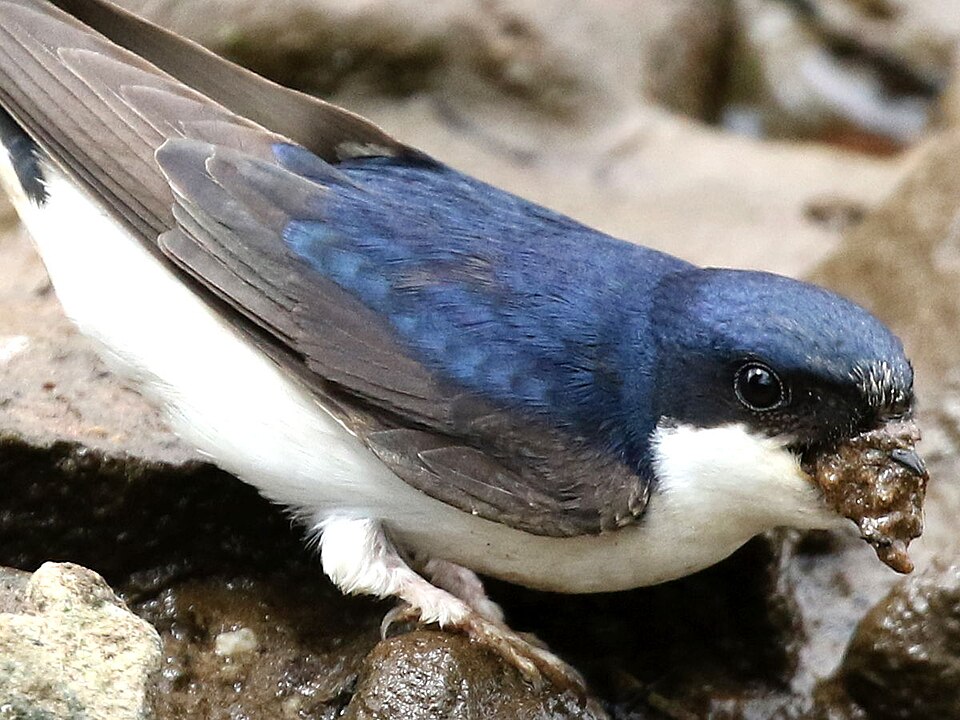 Balestruccio
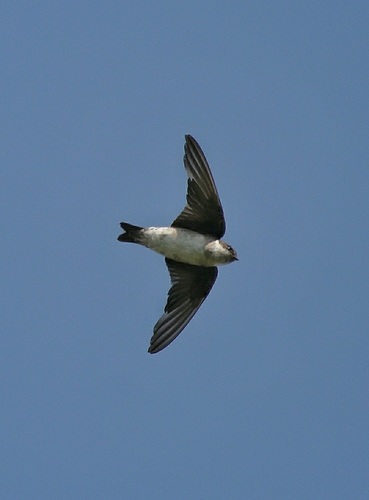 Asian House-Martin
In breve
Il segno distintivo più affidabile tra il Balestruccio e l'Asian House-Martin è il colore e il contrasto delle parti inferiori: il Balestruccio mostra parti inferiori e sottoala bianche pulite e brillanti, mentre l'Asian House-Martin ha parti inferiori grigie chiare o grigie e sottoala più grigia, facendolo apparire più opaco quasi in tutte le condizioni di luce. Entrambe le specie hanno un sopracciglio bianco e parti superiori blu-nerastre, ma il Balestruccio è più bianco sotto e spesso appare più pulito e più nettamente marcato in volo. I giovani di entrambe le specie sono più opachi, ma i giovani del Balestruccio sono neri fuligginosi sopra con copritrici alari bianche, mentre i giovani dell'Asian House-Martin sono marroni sopra con parti inferiori grigio-bianco. La forma della coda è un'altra sottile differenza: il Balestruccio ha una coda più profondamente biforcuta, specialmente nella forma nominativa, mentre la biforcazione della coda dell'Asian House-Martin è più superficiale. Queste distinzioni sono più visibili in buona luce e quando gli uccelli sono visti dal basso o di profilo.
Consigli di identificazione
- Colore delle parti inferiori: Il Balestruccio mostra sempre parti inferiori e sottoala bianche pulite e brillanti (tutte le età), mentre l'Asian House-Martin è grigio chiaro o grigio sporco sotto, con sottoala grigio-marrone. Questo è il segno distintivo più affidabile in tutte le condizioni.
- Colore del sopracciglio: Entrambi hanno un sopracciglio bianco, ma nell'Asian House-Martin, il contrasto con le parti superiori più scure può essere meno netto, specialmente in alcune sottospecie. Il sopracciglio del Balestruccio è sempre bianco brillante e si distingue chiaramente.
- Biforcazione della coda: Il Balestruccio ha una coda più profondamente biforcuta (specialmente nella nominativa urbicum), mentre la coda dell'Asian House-Martin è solo leggermente biforcuta. Questo è meglio visibile in volo o quando è posato con la coda aperta.
- Parti superiori dei giovani: I giovani Balestrucci sono neri fuligginosi sopra con copritrici alari bianche; i giovani dell'Asian House-Martin sono marroni scuri sopra, a volte con un sopracciglio marrone, e mancano delle punte bianche nette.
- Parti inferiori dei giovani: Il giovane Balestruccio è bianco sotto, mentre l'Asian House-Martin è grigio-bianco o più opaco.
- Parti superiori degli adulti: Entrambi sono blu acciaio o blu-nerastro sopra, ma l'Asian House-Martin può apparire leggermente più scuro e meno lucido, specialmente nel piumaggio usurato.
- Zampe e piedi: Entrambe le specie hanno zampe piumate, ma questo è raramente visibile sul campo e non è un separatore pratico.
- Colore del becco e degli occhi: Entrambi hanno piccoli becchi neri e occhi marroni; non utile per la separazione.
- Differenze sessuali: Entrambe le specie sono sessualmente simili, ma i maschi dell'Asian House-Martin possono essere leggermente più bianchi sotto rispetto alle femmine, anche se mai così bianchi come il Balestruccio.
- Confusione tra sottospecie: La sottospecie orientale del Balestruccio (lagopodum) ha una coda meno biforcuta, avvicinandosi all'Asian House-Martin, ma mostra comunque di solito una biforcazione più pronunciata.
- Stile di volo: Entrambi sono agili e galleggianti; il Balestruccio può mostrare un battito d'ala leggermente più veloce, ma questo non è un segno distintivo affidabile.
- Habitat: Il Balestruccio è più probabile in ambienti urbani o di pianura, l'Asian House-Martin in montagne o scogliere, ma entrambi possono nidificare su edifici.
- Voce: I richiami sono simili; il richiamo dell'Asian House-Martin è leggermente più rauco, ma questa è sottile e non un separatore primario.
- Insidie: Non fare affidamento sulla dimensione, poiché entrambe sono quasi identiche. L'illuminazione può far apparire l'Asian House-Martin più chiaro o il Balestruccio più opaco, quindi controlla sempre più caratteristiche.
- Migliori visuali: Punta a una vista laterale o dal basso in buona luce per valutare il colore delle parti inferiori e la biforcazione della coda; fai attenzione ai giovani, che sono più opachi ma mostrano comunque lo stesso contrasto delle parti inferiori.
Taglia
Entrambe le specie sono molto simili in dimensioni, con il Balestruccio che misura in media circa 13 cm di lunghezza e l'Asian House-Martin circa 12 cm. Le loro masse corporee sono quasi identiche (Balestruccio: ~18.3 g, Asian House-Martin: 18.0 g) [wikipedia][wikidata]. Sul campo, la dimensione non è un separatore affidabile, poiché entrambe appaiono ugualmente piccole e compatte per una rondine.
Piumaggio
Gli uccelli giovani e immaturi sono più facilmente separabili dal colore e dal contrasto delle parti inferiori e superiori. I giovani Balestrucci sono neri fuligginosi sopra con copritrici alari bianche e piume, e hanno parti inferiori bianche. I giovani dell'Asian House-Martin sono meno lucidi, con parti superiori marroni scure (a volte con un lavaggio marrone sul sopracciglio) e parti inferiori grigio-bianco. Negli adulti, il Balestruccio è blu acciaio sopra con un sopracciglio bianco brillante e parti inferiori e sottoala bianche pure; l'Asian House-Martin è blu acciaio scuro sopra con un sopracciglio bianco, ma le parti inferiori sono sempre grigie chiare o grigio sporco, mai bianche pure, e le sottoala sono grigio-marroni. La coda del Balestruccio è più profondamente biforcuta, mentre la coda dell'Asian House-Martin è solo leggermente biforcuta. Le zampe di entrambi sono bianche piumate, ma questo è raramente visibile sul campo.
Comportamento
Entrambe le specie sono insettivori aerei, si nutrono in volo e spesso cercano cibo in alto sopra il suolo. Entrambi nidificano in colonie e costruiscono nidi di fango sotto sporgenze o su edifici. Lo stile di volo è simile, ma si nota che il Balestruccio ha un battito d'ala leggermente più veloce (5.3 battiti/sec contro 4.4 per la Rondine) [wikipedia], anche se questo non è confrontato direttamente con l'Asian House-Martin. Entrambe le specie sono agili e galleggianti in volo, e le differenze nel comportamento sono sottili e non affidabili per la separazione sul campo.
Habitat
Il Balestruccio nidifica in tutta Europa, Nord Africa e Asia centro-occidentale, spesso vicino a insediamenti umani e in campagna aperta. L'Asian House-Martin nidifica nell'Himalaya e nell'Asia centrale/orientale, preferendo scogliere montane e a volte edifici per nidificare. Nelle aree di sovrapposizione (Asia centrale), l'habitat può essere simile, ma l'Asian House-Martin è più probabile in habitat montani o di scogliera, mentre il Balestruccio è più urbano o di pianura. Tuttavia, entrambi possono nidificare su edifici, quindi l'habitat da solo non è diagnostico.
Voce
Entrambe le specie hanno richiami simili: un trill o cinguettio metallico e un 'cheep' secco e metallico. Il richiamo dell'Asian House-Martin è descritto come più rauco rispetto a quello del Balestruccio, ma questa differenza è sottile e non è probabile che sia diagnostica sul campo a meno che tu non sia molto familiare con le vocalizzazioni di entrambe le specie.
Balestruccio · Asian House-Martin · I miei uccelli difficili