
Luì bianco vs Luì grosso
Phylloscopus bonelli contro Phylloscopus trochilus
Fai un quiz con Luì bianco e Luì grosso
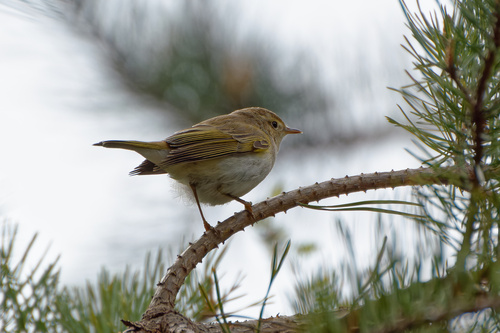 Luì bianco
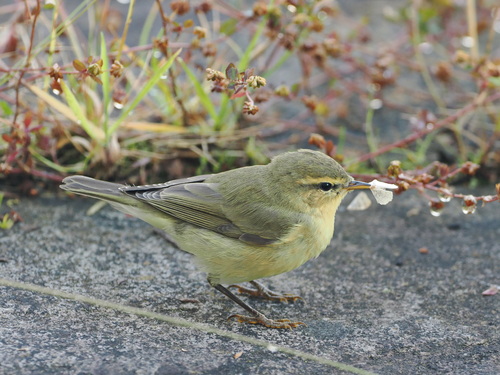 Luì grosso
In breve
Il modo più affidabile per separare il Luì bianco dal Luì grosso è il tono generale del piumaggio e il colore delle gambe: il Luì bianco è più semplice, con un dorso grigio-verde a bruno e gambe marroni, mentre il Luì grosso è più verde sopra, spesso con toni giallastri sotto e gambe più chiare, rosa-giallastre. I Luì grossi juvenili sono nettamente più gialli sotto rispetto a qualsiasi Bonelli's. Sul campo, il Luì grosso mostra anche una proiezione primaria più lunga (punta dell'ala) e una forma più elegante e snella. La voce è un indizio forte: il Luì bianco ha un trillo monotono veloce per il canto e un richiamo disillabico 'hu-it', mentre il canto del Luì grosso è un fischio discendente e il suo richiamo è un morbido 'hoo-eet'.
Consigli di identificazione
- Juvenile underparts: In tarda estate e autunno, cerca parti inferiori giallastre—se presenti, è un Luì grosso juvenile; il Bonelli's è sempre bianco sotto.
- Overall plumage tone: Il Luì bianco è più semplice, con parti superiori grigio-verdi a brune e poco o nessun giallo sotto. Il Luì grosso è più verde sopra e spesso giallastro sotto, specialmente nel piumaggio fresco.
- Leg color: Controlla le gambe: marroni nel Luì bianco, più chiare rosa-giallastre nel Luì grosso. Questo è affidabile in buona luce e da vicino.
- Bill structure: Il Luì grosso ha un becco più lungo e più chiaro; il Bonelli's ha un becco più corto e appuntito. Sottile, ma visibile in confronto affiancato o in buone foto.
- Primary projection: Il Luì grosso mostra una proiezione primaria più lunga (la punta dell'ala si estende oltre le terziarie) rispetto al Bonelli's. Questo conferisce al Luì grosso un aspetto più elegante e con ali lunghe, specialmente quando è posato.
- General shape (jizz): Il Luì grosso appare più snello e aggraziato, con una coda e ali più lunghe; il Bonelli's è più compatto.
- Wingbars: Nessuna delle due specie mostra barre alari—se vedi barre alari chiare, riconsidera la tua identificazione.
- Song: Il Luì bianco canta un trillo veloce e monotono; il canto del Luì grosso è un fischio dolce e discendente. Se senti il canto chiaramente, questo è solitamente diagnostico.
- Call: Il richiamo del Bonelli's è un 'hu-it' disillabico e acuto; quello del Luì grosso è un 'hoo-eet' morbido e musicale. I richiami sono particolarmente utili in migrazione o quando gli uccelli non cantano.
- Habitat and range: In Europa settentrionale e centrale, il Luì grosso è abbondante; il Bonelli's è un raro vagabondo. Nel sud-ovest dell'Europa e in Nord Africa, il Bonelli's è possibile in boschi adatti.
- Sex: Entrambe le specie sono sessualmente monomorfiche—non usare il sesso per l'identificazione.
- Season: In autunno, i Luì grossi juvenili sono più gialli sotto; il Bonelli's rimane bianco.
- Confusion with chiffchaff: Il Luì grosso può essere confuso con il chiffchaff, ma il Bonelli's è meno probabile da confondere a causa del suo aspetto più semplice e meno giallastro e delle gambe marroni.
- Flight views: In volo, le ali più lunghe del Luì grosso possono essere evidenti, ma entrambe le specie mancano di schemi o pannelli alari distintivi che consentirebbero la separazione a distanza.
- Pitfalls: Fai attenzione all'illuminazione e all'usura: il Luì grosso può apparire più opaco in piumaggio usurato, e il Bonelli's può sembrare leggermente più verde in piumaggio fresco, ma il colore delle gambe e il tono delle parti inferiori rimangono affidabili.
Taglia
Entrambe le specie sono piccoli luì e sono molto simili in dimensioni, con il Luì grosso che misura in media 11–12,5 cm di lunghezza e 7–15 g di peso [wikipedia]. Non c'è una differenza di dimensioni significativa sul campo tra il Luì bianco e il Luì grosso; entrambi sono uccelli piccoli, snelli e attivi.
Piumaggio
- Juveniles: I Luì grossi juvenili sono nettamente più gialli sotto rispetto agli adulti o a qualsiasi età di Luì bianco, che mostra sempre parti inferiori bianche. Questo lavaggio giallo è un segno chiave in tarda estate e inizio autunno.
- Adults: Il Luì bianco è più semplice, con un dorso grigio-verde a bruno, un sopracciglio e ali di tono verde, e parti inferiori bianche pulite. Il Luì grosso è più verde sopra, con parti inferiori da bianco sporco a giallastro. Le parti superiori del Luì grosso possono variare da verdastre a brune o addirittura grigiastre a seconda della sottospecie e della regione, ma di solito appare più colorato del Bonelli's. Entrambi mancano di barre alari e hanno ali semplici.
- Leg color: Il Luì bianco ha gambe marroni, mentre il Luì grosso ha gambe più chiare, rosa-giallastre (mai marroni scure o nerastre come nel chiffchaff).
- Bill: Il Luì grosso ha un becco più lungo e più chiaro rispetto al Luì bianco, che ha un becco piccolo e appuntito.
- Sexes: Entrambe le specie sono sessualmente monomorfiche nel piumaggio.
Comportamento
Entrambe le specie sono attive, insettivore luì, spesso foraggiando nel fogliame. Il Luì grosso tende ad apparire più delicato e aggraziato, spesso sbattendo le ali e la coda, e può sembrare più irrequieto. Il Luì bianco è anch'esso attivo ma non mostra lo stesso grado di eleganza o il jizz con ali lunghe del Luì grosso. Entrambi possono essere visti muoversi tra alberi e arbusti, ma la proiezione primaria più lunga del Luì grosso può essere evidente in volo o quando è posato.
Habitat
Il Luì bianco nidifica nel sud-ovest dell'Europa e in Nord Africa, preferendo foreste e boschi, ed è un raro vagabondo più a nord. Il Luì grosso è molto più diffuso e comune, nidificando in tutta l'Europa settentrionale e temperata e nel Paleartico, specialmente in boschi aperti con betulle, ontani e salici. Se ti trovi nell'Europa settentrionale o centrale, il Luì grosso è molto più probabile, specialmente al di fuori dell'area di nidificazione limitata del Bonelli's.
Voce
Il Luì bianco canta un trillo veloce e monotono, e il suo richiamo è un 'hu-it' disillabico. Il canto del Luì grosso è un semplice fischio discendente ripetitivo, e il suo richiamo di contatto è un morbido 'hoo-eet'. I canti sono abbastanza diversi in ritmo e tono, e i richiami sono diagnostici se ascoltati bene. Il richiamo del Bonelli's è più acuto e brusco, mentre quello del Luì grosso è più morbido e musicale.