

Luì bianco vs Luì di Pallas
Phylloscopus bonelli contro Phylloscopus proregulus
Fai un quiz con Luì bianco e Luì di Pallas
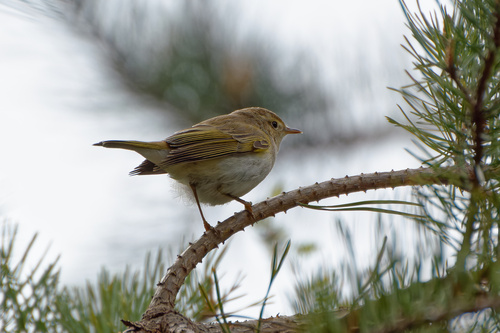 Luì bianco
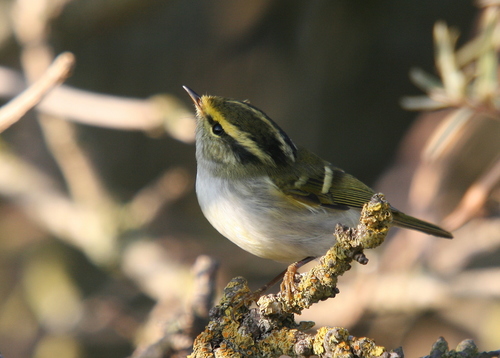 Luì di Pallas
In breve
Il modo più affidabile per separare il Luì bianco dal Luì di Pallas è la loro netta differenza nel motivo delle ali e della testa: il Luì di Pallas di tutte le età mostra audaci bande gialle doppie sulle ali, un sottocoda giallo limone e un supercilium giallo brillante con una striscia centrale sulla corona, mentre il Luì bianco è molto più semplice, privo di bande sulle ali o strisce sulla testa e mostra un dorso grigio-verde attenuato e un sottocoda verdastro. Anche nel piumaggio giovanile, il Luì di Pallas è distintamente decorato, sebbene leggermente più opaco, mentre il Luì bianco rimane uniformemente semplice. Strutturalmente, il Luì di Pallas è più piccolo e compatto, con una testa proporzionalmente più grande e una coda più corta. Anche la voce è un forte separatore: il Luì bianco emette un 'hu-it' disillabico, mentre il Luì di Pallas ha un richiamo morbido 'dju-ee'. Se vedi un piccolo luì con evidenti bande gialle sulle ali e un sottocoda giallo, non è mai un Luì bianco.
Consigli di identificazione
- Wingbars: Il Luì di Pallas mostra sempre due bande gialle brillanti sulle copritrici delle ali, visibili in tutte le età e piumaggi. Il Luì bianco non mostra mai bande—se ne vedi, non è Bonelli's.
- Yellow rump: Il Luì di Pallas ha un sottocoda giallo limone, spesso visibile in volo o quando è in sospensione. Il sottocoda del Luì bianco è di tonalità verde ma mai giallo.
- Head pattern: Il Luì di Pallas ha un audace supercilium giallo (sopracciglio) e una striscia centrale gialla sulla corona, formando un motivo facciale sorprendente. Il Luì bianco ha un volto semplice senza supercilium o striscia sulla corona.
- Overall coloration: Il Luì bianco è semplicemente grigio-verde sopra con un sottocoda e ali verdastri, e bianco sotto. Il Luì di Pallas è di un verde più brillante sopra, con parti inferiori bianche e ampie evidenziazioni gialle.
- Juvenile plumage: Anche i giovani Luì di Pallas mostrano le bande e le strisce sulla testa, sebbene con una parte superiore marrone e un supercilium più opaco. Il giovane Luì bianco è semplice quanto l'adulto, senza bande o strisce sulla testa.
- Bill and legs: Entrambi hanno becchi piccoli e appuntiti e zampe marroni, ma il Luì di Pallas può mostrare una sfumatura verde o grigia alle zampe e una base giallastra alla mandibola inferiore.
- Structure and jizz: Il Luì di Pallas è più piccolo, con una grande testa, coda corta e corpo compatto. Il Luì bianco è più grande e più allungato. In confronto diretto, il Luì di Pallas appare 'più carino' e più delicato.
- Flight views: In volo, cerca il sottocoda giallo e le bande del Luì di Pallas. Il Luì bianco non mostra tali contrasti—solo un'ala superiore verdastra uniforme e un sottocoda.
- Behavior: Il Luì di Pallas è più propenso a rimanere in sospensione e a muoversi tra il fogliame, a volte mostrando il suo sottocoda giallo. Il Luì bianco si muove più stabilmente ed è meno propenso a rimanere in sospensione.
- Voice: I richiami sono diagnostici: il Luì bianco emette un 'hu-it' disillabico, il Luì di Pallas un morbido 'dju-ee'. Ascolta attentamente se l'uccello è vocale.
- Season and context: In Europa, il Luì di Pallas è spesso un migrante o vagrante di tarda autunno, spesso come un uccello di primo anno. Il Luì bianco è un riproduttore locale o un raro vagrante al di fuori del suo areale.
- Sex differences: Entrambe le specie sono sessualmente monomorfiche—maschi e femmine si somigliano.
- Pitfalls: Non confondere il sottocoda verde tenue del Luì bianco con il sottocoda giallo brillante del Luì di Pallas. Le bande non sono mai presenti nel Luì bianco. Se vedi un luì semplice, controlla per il Luì bianco; se vedi del giallo nell'ala o nella testa, pensa al Luì di Pallas.
- Comparison with other species: Il Luì di Pallas può essere confuso con altri luì asiatici con sottocoda giallo, ma questi sono più grandi e meno marcati. Il Luì bianco è probabile che venga confuso solo con altri luì Phylloscopus semplici, non con specie a bande gialle.
- When marks fail: In scarsa luce, il giallo del Luì di Pallas può apparire attenuato, ma le bande e il supercilium dovrebbero comunque essere visibili. Se l'uccello è silenzioso e parzialmente oscurato, concentrati sulla presenza o assenza di bande e strisce sulla testa.
Taglia
Il Luì di Pallas è visibilmente più piccolo e leggero del Luì bianco. Il Luì di Pallas pesa in media circa 6 grammi e misura 9–10 cm di lunghezza, rendendolo uno dei più piccoli luì—appena più grande di un Regolo. Il Luì bianco è più grande e lungo, con una struttura più tipica del luì Phylloscopus (massa esatta non fornita, ma chiaramente più pesante del Luì di Pallas). Sul campo, il Luì di Pallas appare più compatto, con un aspetto di testa grande e coda corta, mentre il Luì bianco è più allungato e meno 'carino' nel jizz.
Piumaggio
Il motivo delle ali e della testa specifico per età è la caratteristica diagnostica più importante. Il Luì di Pallas, in tutti i piumaggi (adulto, giovanile, non riproduttivo), mostra due bande gialle prominenti formate dalle punte chiare delle copritrici delle ali, un sottocoda giallo limone, un audace supercilium giallo e una striscia centrale gialla sulla corona. I giovani sono leggermente più opachi, con una sfumatura marrone sopra e un supercilium meno brillante, ma le bande e le strisce sulla testa sono sempre presenti. Il Luì bianco, indipendentemente dall'età o dalla stagione, è semplice: ha un dorso grigio-verde, un sottocoda e ali di tonalità verde, e parti inferiori bianche, senza bande, striscia sulla corona o supercilium. L'unico colore sul Luì bianco è un tenue lavaggio verdastro sul sottocoda e sulle ali, e una sfumatura leggermente più marrone rispetto al Luì bianco orientale. Entrambe le specie hanno zampe marroni simili, ma il Luì di Pallas può mostrare una sfumatura verde o grigia alle zampe. In volo, il sottocoda giallo del Luì di Pallas può essere una caratteristica distintiva, mentre il Luì bianco non mostra tale contrasto.
Comportamento
Entrambe le specie sono foraggiatori attivi in alberi e arbusti, ma il Luì di Pallas spesso rimane in sospensione o si muove rapidamente tra il fogliame, mostrando a volte il suo sottocoda giallo mentre si nutre. Il Luì bianco tende a muoversi più metodicamente tra i rami ed è meno propenso a rimanere in sospensione. Il Luì di Pallas può apparire più irrequieto ed energetico, in linea con il suo aspetto più piccolo e compatto.
Habitat
Il Luì bianco nidifica nel sud-ovest dell'Europa e nel Nord Africa, preferendo habitat forestali e boschivi, ed è un raro vagrante più a nord. Il Luì di Pallas nidifica nelle foreste montane della Siberia meridionale, Mongolia e nord-est della Cina, ma ora è un migrante e vagrante regolare in autunno in Europa, specialmente nelle aree costiere. In Europa, il Luì di Pallas è più spesso incontrato in autunno, specialmente come migrante di primo anno, mentre il Luì bianco è un riproduttore locale o un raro vagrante al di fuori del suo areale. La sovrapposizione degli habitat è minima, eccetto durante la migrazione/vagrancy.
Voce
I richiami sono molto diversi e diagnostici se ascoltati bene. Il Luì bianco emette un 'hu-it' disillabico, che è molto diverso dal richiamo morbido e breve 'dju-ee' del Luì di Pallas. Le canzoni sono meno utili per la separazione sul campo, poiché entrambe sono trilli e simili ad altri luì Phylloscopus, ma i richiami sono distintivi e dovrebbero essere utilizzati quando possibile.