

Porciglione vs Folaga
Rallus aquaticus contro Fulica atra
Fai un quiz con Porciglione e Folaga
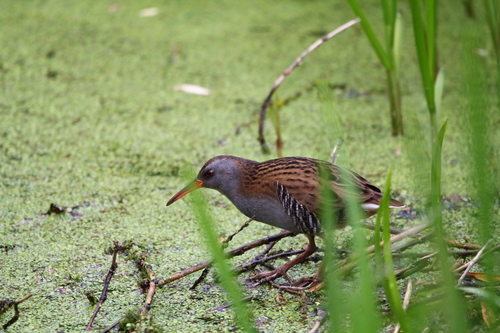 Porciglione
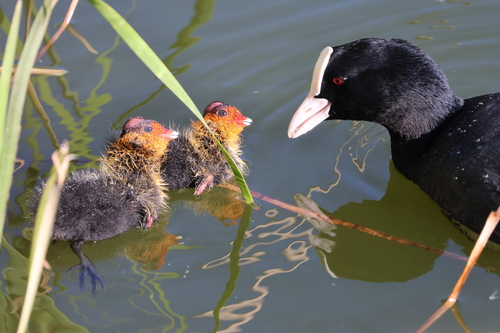 Folaga
In breve
Il modo più affidabile per separare il Porciglione dalla Folaga è la struttura generale e il colore del becco: il Porciglione è un uccello slanciato e compresso lateralmente con un lungo becco rosso curvato verso il basso, mentre la Folaga è un uccello acquatico molto più grande e massiccio con un becco bianco corto e spesso e un prominente scudo facciale bianco. In volo o a riposo, il Porciglione mostra parti superiori marroni con striature nere e un distintivo sottocoda bianco, mentre la Folaga è uniformemente grigio-nera senza striature e non ha bianco nel sottocoda. I giovani Porciglioni hanno parti inferiori color crema e un becco più opaco, ma non mostrano mai lo scudo facciale bianco nemmeno nei giovani folaghe. La differenza di dimensioni è drammatica: la Folaga è quasi sette volte più pesante e molto più lunga. Entrambi possono essere visti nelle zone umide, ma la Folaga è spesso in acque aperte, mentre il Porciglione si tiene vicino a canneti densi.
Consigli di identificazione
- Colore e forma del becco: Il Porciglione ha un lungo becco rosso slanciato e leggermente curvato verso il basso (adulti), mentre la Folaga ha un becco bianco corto, spesso e dritto con un grande scudo bianco sopra. Anche nei giovani, la Folaga non mostra mai un lungo becco rosso.
- Scudo facciale: Solo la Folaga ha un prominente scudo facciale bianco sopra il becco; il Porciglione non ha alcuno scudo, enfatizzando ulteriormente il suo becco appuntito.
- Forma del corpo: Il Porciglione è snello, compresso lateralmente e ha una postura curva e bassa. La Folaga è massiccia, rotonda e si siede alta nell'acqua o sta eretta sulla terra.
- Schema del piumaggio: Il Porciglione mostra parti superiori marroni con striature nere e parti inferiori blu-grigie con fianchi barrati in nero e bianco (adulti). La Folaga è uniformemente grigio-nera senza striature o barrature.
- Sottocoda: Il Porciglione mostra un sottocoda bianco con alcune striature scure, specialmente quando agita la coda. Il sottocoda della Folaga è scuro e mai bianco.
- Differenze nei giovani: Il giovane Porciglione ha parti inferiori color crema e marcature laterali marroni/color crema, ma non ha mai uno scudo facciale bianco o piumaggio completamente nero. Il giovane Folaga è pallido con un petto bianco e manca dello scudo, ma appare comunque più uniformemente scuro e mai striato o barrato.
- Zampe e piedi: Il Porciglione ha zampe color carne e dita lunghe, ma non palmate. La Folaga ha dita forti, parzialmente palmate, adattate per nuotare.
- Stile di volo: Il Porciglione vola debolmente, basso sopra i canneti, spesso scendendo rapidamente. La Folaga decolla con molto spruzzo, ma può volare forte su lunghe distanze.
- Contesto dell'habitat: Il Porciglione è quasi sempre vicino a copertura densa, raramente in acque aperte. La Folaga è spesso in acque aperte, nuotando o camminando su vegetazione galleggiante.
- Dimensioni: La Folaga è drammaticamente più grande e pesante del Porciglione. Se vedi un uccello simile a un rallide che sembra delle dimensioni di un'oca, è una Folaga.
- Comportamento: Il Porciglione è timido e riservato, scomparendo rapidamente nella copertura. La Folaga è audace, spesso aggressiva e visibile.
- Vocalizzazioni: I versi simili a grugniti del Porciglione sono distintivi ma raramente uditi in aperto. I richiami acuti ed esplosivi della Folaga sono comuni e forti.
- Coda: Il Porciglione ha una coda corta spesso sollevata per mostrare il sottocoda bianco. La coda della Folaga è molto corta e di solito non viene sollevata.
- Variazione stagionale: Entrambi i sessi sono simili tutto l'anno; le parti inferiori blu-grigie del Porciglione sono sostituite da color crema nei giovani, ma il becco e il sottocoda rimangono distintivi. Lo scudo della Folaga si sviluppa completamente solo dopo il primo anno, ma anche i giovani uccelli non hanno mai un lungo becco rosso o piumaggio striato.
- Trappole: In scarsa illuminazione, i toni marroni e grigi del Porciglione possono apparire più scuri, ma il lungo becco rosso e il sottocoda bianco sono comunque buoni indizi. I giovani Folaghe possono sembrare più pallidi, ma mancano di qualsiasi striatura o barratura e non mostrano mai un becco rosso.
Taglia
La Folaga è enormemente più grande del Porciglione: la Folaga pesa in media 775 g (maschi fino a 890 g), mentre il Porciglione pesa solo circa 111,5 g. In lunghezza, la Folaga misura 36–38 cm contro i 23–28 cm del Porciglione. La Folaga ha anche un'apertura alare molto maggiore (70–80 cm contro 38–45 cm). Anche a distanza, il volume, il lungo collo e il corpo robusto della Folaga sono evidenti, mentre il Porciglione è snello, appiattito lateralmente e molto più piccolo nel complesso. Se vedi entrambi insieme, il divario di dimensioni è inconfondibile.
Piumaggio
- Giovani/uccelli immaturi: Il giovane Porciglione ha una corona nerastra, un mento/gola bianca, parti inferiori color crema o bianche con barre scure e marcature laterali marroni/color crema (non in bianco e nero). Il suo sottocoda è color crema e il becco/occhi/zampe sono più opachi rispetto agli adulti. Il giovane Folaga è più pallido dell'adulto, con un petto bianco, parti superiori scure e manca dello scudo facciale bianco. Il piumaggio nero adulto e lo scudo bianco si sviluppano solo a 3–12 mesi.
- Adulti: L'adulto Porciglione mostra parti superiori marroni con striature nere, parti inferiori blu-grigie, fianchi barrati in nero e bianco e un sottocoda bianco con alcune striature scure. Il lungo becco rosso, leggermente curvato verso il basso, è diagnostico. L'adulto Folaga è complessivamente grigio-nero, con una testa nera lucida, un becco bianco corto e spesso e un prominente scudo bianco sopra il becco. La Folaga non mostra mai marrone, striature o barrature, e il suo sottocoda è scuro, non bianco.
- In volo: Il Porciglione mostra un sottocoda bianco e parti superiori striate di marrone; la Folaga appare completamente scura senza bianco nella coda o nelle ali, e il suo becco/scudo bianco risaltano.
Comportamento
Il Porciglione è riservato, si muove furtivamente attraverso canneti o vegetazione densa, raramente avventurandosi in aperto se non quando viene disturbato o si nutre al margine. Si muove con una postura curva, spesso agitando la sua corta coda per rivelare il sottocoda bianco. In volo, è debole e riluttante, di solito vola solo brevi distanze basse sopra i canneti. La Folaga è molto più audace, spesso nuotando in acque aperte su laghi e stagni, immergendosi per cercare cibo e camminando su vegetazione galleggiante. Le Folaghe sono aggressive, specialmente durante la stagione riproduttiva, e possono essere viste inseguirsi o inseguire altre specie. Il loro volo è faticoso ma più forte di quello del Porciglione, con ali più lunghe e più larghe.
Habitat
Entrambe le specie si trovano nelle zone umide, ma il Porciglione è legato a canneti densi e ben vegetati, paludi e cespugli umidi, raramente avventurandosi in acque aperte. La Folaga preferisce laghi d'acqua dolce aperti, stagni e bacini, spesso in parchi urbani, ed è frequentemente vista nuotare lontano dalla copertura. Se vedi un uccello simile a un rallide in acque aperte, è quasi certamente una Folaga; il Porciglione è tipicamente intravisto al margine dei canneti o che corre verso la copertura.
Voce
Il Porciglione emette un distintivo grugnito o verso simile a un grugnito, spesso udito all'alba o al tramonto da una copertura profonda. La Folaga è rumorosa, con un repertorio di richiami acuti ed esplosivi 'kew' o 'kow', e vari gracidii e crocchi, specialmente quando allarmata o durante dispute territoriali. Se senti richiami forti, ripetuti e aspri da acque aperte, è probabile che sia una Folaga; i richiami del Porciglione sono più riservati e meno probabili da essere uditi in aperto.