

Verreaux's Eagle-Owl vs African Wood-Owl
Ketupa lactea contro Strix woodfordii
Fai un quiz con Verreaux's Eagle-Owl e African Wood-Owl
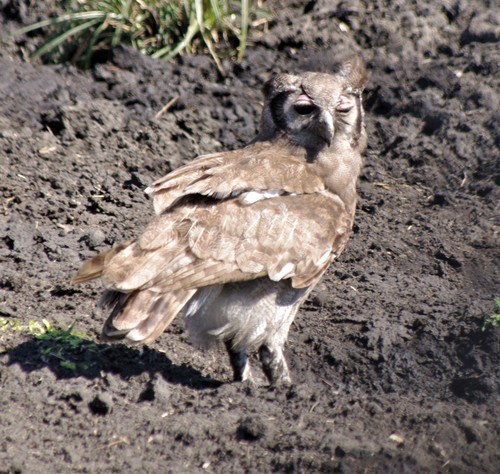 Verreaux's Eagle-Owl
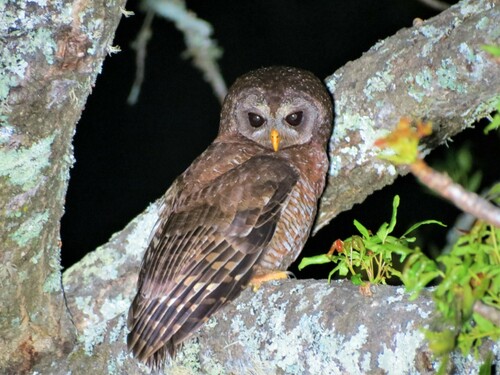 African Wood-Owl
In breve
Il modo più affidabile per separare il Verreaux's Eagle-Owl dall'African Wood-Owl è la dimensione e la struttura complessiva: il Verreaux's Eagle-Owl è un vero gigante, quasi il doppio della lunghezza e diverse volte la massa dell'African Wood-Owl. Sul campo, l'aspetto pallido e imponente dell'eagle-owl e la sua costruzione massiccia sono inconfondibili rispetto all'African Wood-Owl, molto più piccolo, con testa rotonda e riccamente marrone. Le piume giovanili non sono descritte in dettaglio per il Verreaux's Eagle-Owl, ma i giovani African Wood-Owl sono di un rufous più chiaro. Entrambe le specie possono essere trovate in habitat boschivi, ma il Verreaux's Eagle-Owl preferisce la savana secca, mentre l'African Wood-Owl è uno specialista della foresta. Anche i loro richiami sono molto diversi, con il wood-owl che emette una serie distintiva di hoot in duetti, a differenza dell'eagle-owl.
Consigli di identificazione
- La dimensione è l'indizio più immediato: il Verreaux's Eagle-Owl è enorme, quasi il doppio della lunghezza e diverse volte la massa dell'African Wood-Owl. Se il gufo sembra enorme, è l'eagle-owl.
- Forma della testa e caratteristiche facciali: l'African Wood-Owl ha una testa rotonda, grandi occhi scuri con sopracciglia bianche e un disco facciale compatto. Il Verreaux's Eagle-Owl ha una testa e un becco molto più grandi e massicci, privi delle ordinate sopracciglia bianche e del disco compatto.
- Tono del piumaggio: il Verreaux's Eagle-Owl è molto più pallido nel complesso ('latteo'), mentre l'African Wood-Owl è di un ricco marrone sopra con parti inferiori più chiare e barrate. I giovani wood-owl sono di un rufous più chiaro ma comunque molto più piccoli e con testa rotonda.
- Colore del becco: l'African Wood-Owl ha un becco giallo prominente, che spicca contro il suo volto scuro. Il colore del becco è meno distintivo nel Verreaux's Eagle-Owl, ma il becco è molto più grande e pesante.
- Colore degli occhi: l'African Wood-Owl ha grandi occhi scuri; il colore degli occhi dell'eagle-owl non è specificato, ma le sue caratteristiche facciali sono generalmente meno contrastanti.
- Stile di volo: il Verreaux's Eagle-Owl vola con battiti d'ala lenti e pesanti e appare massiccio e potente. Il volo dell'African Wood-Owl è più leggero e tipico dei gufi di dimensioni medie.
- Comportamento di riposo: l'African Wood-Owl si riposa in copertura densa, spesso in alto sugli alberi, ed è raramente visto all'aperto durante il giorno. Il Verreaux's Eagle-Owl può posarsi più apertamente ed è più probabile che venga visto esposto.
- Habitat: in una foresta densa e a chioma chiusa, aspettati l'African Wood-Owl. In una savana secca più aperta con alberi grandi sparsi, è probabile il Verreaux's Eagle-Owl.
- Vocalizzazioni: se senti un duetto di hoot a pattern (maschio rapido, femmina più alta e lenta), è l'African Wood-Owl. L'eagle-owl non emette questo tipo di richiamo.
- Confusione giovanile: i giovani African Wood-Owl sono di un rufous più chiaro ma comunque piccoli e con testa rotonda; non ci sono segni giovanili distintivi descritti per il Verreaux's Eagle-Owl, ma la sua dimensione è sempre diagnostica.
- Indizi contestuali: se osservi predazione su grandi mammiferi o primati, questo è unico per il Verreaux's Eagle-Owl.
- Silhouette posata: l'eagle-owl apparirà molto più massiccio, con una testa e un becco più grandi, e una postura più imponente rispetto all'African Wood-Owl compatto e rotondo.
- Parti inferiori: l'African Wood-Owl mostra un ventre bianco con barrature marroni, mentre l'eagle-owl è generalmente più pallido ma non descritto in dettaglio qui.
- Contesto comunitario: l'African Wood-Owl è il gufo di foresta più comune in Africa, quindi nelle aree boschive è la specie predefinita.
- Quando hai dubbi, usa più segni: se è difficile giudicare la dimensione, combina habitat, forma della testa, tono del piumaggio e soprattutto la presenza di un richiamo in duetto per confermare l'identificazione.
Taglia
Il Verreaux's Eagle-Owl è il gufo più grande in Africa, raggiungendo fino a 66 cm (26 in) di lunghezza e pesando diverse volte di più rispetto all'African Wood-Owl. L'African Wood-Owl è un gufo di dimensioni medie, misurando 30.5–35 cm (12–13.8 in) di lunghezza e pesando 240–350 g ([wikidata]), con una massa media adulta di 299 g. La pura massa e lunghezza dell'eagle-owl sono diagnostiche anche a distanza. Se vedi un gufo veramente massiccio, è quasi certamente il Verreaux's Eagle-Owl; l'African Wood-Owl apparirà sempre molto più piccolo e compatto.
Piumaggio
I giovani African Wood-Owl sono più chiari e più rufous rispetto agli adulti, ma comunque molto più piccoli e con testa rotonda rispetto al Verreaux's Eagle-Owl a qualsiasi età. Gli adulti African Wood-Owl hanno una testa rotonda, grandi occhi scuri con sopracciglia bianche, un becco giallo prominente e parti superiori di un ricco marrone con parti inferiori più chiare e barrate. Il Verreaux's Eagle-Owl, al contrario, ha un aspetto complessivamente molto più pallido, 'latteo' (da cui il suo nome alternativo), con una testa e un becco massicci, e privo delle ordinate sopracciglia bianche e del disco facciale compatto del wood-owl. Il piumaggio dell'eagle-owl non è descritto in dettaglio qui, ma la sua colorazione pallida e la dimensione sono fondamentali. Non sono notati modelli distintivi specifici per età per nessuna delle due specie in queste fonti.
Comportamento
Il Verreaux's Eagle-Owl è un potente predatore, spesso cacciando grandi mammiferi e persino primati, ed è probabile che venga visto posato in alto ed esposto o volare con battiti d'ala lenti e pesanti. L'African Wood-Owl è più riservato, riposando singolarmente o in coppie in copertura densa durante il giorno e cercando cibo di notte. Il suo volo è probabilmente più leggero e meno pesante rispetto a quello dell'eagle-owl. Il comportamento dell'eagle-owl è generalmente più simile a quello di un'aquila, mentre il wood-owl è più tipico dei gufi di dimensioni medie del genere Strix.
Habitat
Il Verreaux's Eagle-Owl si trova principalmente nella savana boschiva secca in tutta l'Africa subsahariana, spesso in habitat più aperti o ai margini. L'African Wood-Owl è uno specialista della foresta, probabilmente il gufo di foresta più comune in Africa, e preferisce boschi più densi e a chioma chiusa. Se ti trovi in una foresta profonda, l'African Wood-Owl è molto più probabile; nella savana aperta o nel bosco, specialmente con alberi grandi, è possibile incontrare il Verreaux's Eagle-Owl.
Voce
L'African Wood-Owl emette un duetto distintivo: il maschio produce hoot rapidi e chiari, e la femmina risponde con hoot più alti e lenti. Ogni serie ha un ritmo caratteristico (WHU-hu, WHU-hu-hu, hu-hu), e il richiamo si sente fino a 500 metri. Le vocalizzazioni del Verreaux's Eagle-Owl non sono descritte qui, ma non somigliano al duetto a pattern del wood-owl. Se senti un classico duetto di hoot in stile Strix, è l'African Wood-Owl.
Verreaux's Eagle-Owl · African Wood-Owl · I miei uccelli difficili