

Verdin vs Cerulean Warbler
Auriparus flaviceps contro Setophaga cerulea
Fai un quiz con Verdin e Cerulean Warbler
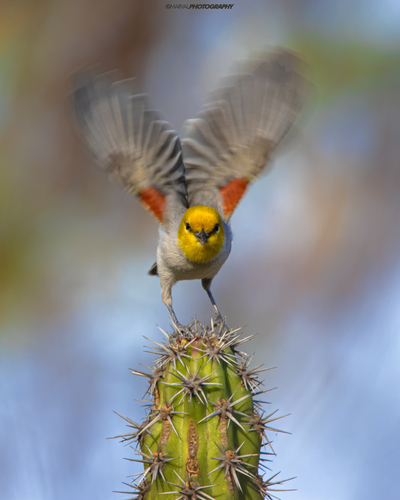 Verdin
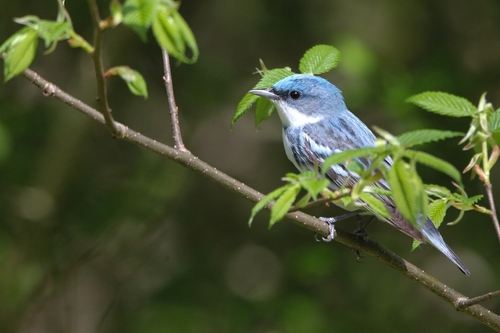 Cerulean Warbler
In breve
Il segno di campo più affidabile per separare il Verdin dal Cerulean Warbler è la testa gialla brillante e la macchia rufous sulla spalla negli adulti del Verdin, che non sono mai presenti in alcun Cerulean Warbler. Tuttavia, i Verdins juvenili mancano sia di giallo che di rufous, apparendo grigi semplici, il che può portare a confusione con i Cerulean Warblers femminili o immaturi. In tutte le età, i Cerulean Warblers mostrano due barre bianche audaci sulle ali e macchie bianche sulla coda, caratteristiche che i Verdins non hanno mai. La forma del becco è anche distintiva: i Verdins hanno un becco conico appuntito, mentre i Cerulean Warblers hanno un becco sottile e dritto tipico dei warbler. I Cerulean Warblers sono specialisti della chioma delle foreste orientali, mentre i Verdins sono uccelli desertici del Sud-Ovest, quindi il contesto è spesso un forte indizio.
Consigli di identificazione
- Wing Bars and Tail Spots: Tutti i Cerulean Warblers, indipendentemente dall'età o dal sesso, mostrano due barre bianche audaci sulle ali e macchie bianche sulla coda. I Verdins non mostrano mai barre sulle ali o macchie sulla coda a nessuna età. Questa è la separazione più affidabile, specialmente in volo o su uccelli posati con le ali spiegate.
- Adult Verdin Head and Shoulder: Gli adulti Verdins hanno una testa gialla brillante e una macchia rufous sulla spalla (copritrici minori), uniche in questo confronto. I Cerulean Warblers non mostrano mai giallo sulla testa o rufous sulla spalla.
- Juvenile Verdin Pitfall: I Verdins juvenili sono grigi semplici, privi sia di giallo che di rufous, che possono superficialmente assomigliare ai Cerulean Warblers femminili o immaturi. Tuttavia, mancano ancora di barre sulle ali e macchie sulla coda, e il loro becco è più spesso e più appuntito.
- Supercilium in Cerulean Warbler: I Cerulean Warblers femminili e immaturi hanno una striscia pallida distintiva sopra l'occhio (supercilium), che i Verdins non hanno a nessuna età.
- Bill Shape: I Verdins hanno un becco corto e appuntito che è spesso alla base e si restringe a una punta fine—più simile a un cincia. I Cerulean Warblers hanno un becco sottile e dritto tipico dei warbler, mai spesso alla base.
- Color Above and Below: I Cerulean Warblers maschi adulti sono blu ceruleo profondo sopra con una collana nera e bianchi sotto; le femmine e gli immaturi sono blu-verdi sopra e giallastri sotto. I Verdins (adulti) sono grigi sopra e sotto, con giallo solo sulla testa.
- Shoulder Patch: La macchia rufous sulla spalla è unica per gli adulti Verdins. I Cerulean Warblers non mostrano mai rufous da nessuna parte sulle ali.
- Song and Calls: Il canto ronzante e accelerato del Cerulean Warbler e il richiamo metallico 'zzee' sono molto diversi dai brevi e staccati richiami 'tschep' e 'tseet' del Verdin. Se senti un canto musicale e ronzante, non è un Verdin.
- Habitat Context: I Verdins si trovano in cespugli desertici e vegetazione spinosa, mai in alte foreste orientali. I Cerulean Warblers sono uccelli della chioma delle foreste decidue mature (riproduzione) o delle foreste subtropicali (inverno), mai in cespugli aridi.
- Foraging Behavior: I Verdins spesso pendono a testa in giù e cercano cibo a livello degli occhi o sotto. I Cerulean Warblers rimangono in alto nella chioma, raramente scendendo.
- Size and Shape: Entrambi sono molto piccoli, ma i Verdins sono più compatti e rotondi con una coda più corta, mentre i Cerulean Warblers hanno una coda più lunga e sono più aerodinamici.
- Leg and Iris Color: Non è affidabile per la separazione tra queste due specie.
- Seasonal Pitfalls: Durante la migrazione, i Cerulean Warblers possono essere visti più in basso negli alberi e in stormi misti, ma mostreranno comunque barre sulle ali e macchie sulla coda. I Verdins non migrano e sono residenti nel Sud-Ovest.
- Sexual Dimorphism: I maschi e le femmine del Cerulean Warbler differiscono fortemente; i Verdins sono meno dimorfici sessualmente, con entrambi i sessi degli adulti che mostrano teste gialle e spalle rufous.
- Geographic Range: Se ti trovi nel deserto del Sud-Ovest, il Cerulean Warbler è estremamente improbabile; se sei in una foresta orientale, il Verdin è quasi impossibile.
Taglia
Entrambe le specie sono molto piccole, con lunghezze quasi identiche (circa 11 cm/4.5 in). Tuttavia, il Cerulean Warbler ha un'apertura alare più lunga (20 cm contro le ali molto più corte del Verdin) ed è leggermente più pesante (8–10 g per il Cerulean Warbler). Sul campo, i Verdins sembrano più compatti e rotondi, con una coda e ali più corte, mentre i Cerulean Warblers appaiono più aerodinamici e con una coda più lunga, specialmente in volo. La struttura del becco è una differenza chiave: i Verdins hanno un becco corto e appuntito che è spesso alla base, mentre i Cerulean Warblers hanno un becco sottile e dritto tipico dei warbler.
Piumaggio
I Verdins juvenili sono grigi chiari semplici, privi sia della testa gialla che della macchia rufous degli adulti. Mancano anche di barre sulle ali o macchie sulla coda. Al contrario, tutti i Cerulean Warblers—indipendentemente dall'età o dal sesso—mostrano due barre bianche prominenti sulle ali e macchie bianche sulla coda, che sono particolarmente visibili in volo e quando posati. I Cerulean Warblers maschi adulti sono blu ceruleo profondo sopra con una collana nera e bianchi sotto, mentre le femmine e gli immaturi sono blu-verdi sopra con un supercilium pallido e parti inferiori giallastre. I Verdins (adulti) sono grigi in generale con una testa gialla brillante e una macchia rufous distintiva sulla spalla (copritrici minori), non mostrando mai barre sulle ali o macchie sulla coda. L'assenza di qualsiasi marcatura sulle ali nei Verdins è una separazione chiave da tutti i Cerulean Warblers. Anche il colore del becco differisce: gli adulti del Cerulean Warbler hanno becchi neri (maschio) o grigi scuri (femmina), mentre i Verdins hanno un becco scuro e appuntito. Il colore delle gambe non è un segno di campo affidabile qui.
Comportamento
I Verdins sono cercatori attivi e acrobatici nei cespugli desertici, spesso appesi a testa in giù e frugando tra i rami, a volte emettendo rapidi richiami 'tschep' mentre si muovono. Di solito sono solitari o in coppie. I Cerulean Warblers cercano cibo in alto nella chioma, muovendosi rapidamente lungo i rami e spesso facendo brevi voli per catturare insetti. È più probabile vederli in stormi misti durante la migrazione. I Cerulean Warblers sono fortemente territoriali nei luoghi di riproduzione, mentre i Verdins sono più territoriali in modo più lasco.
Habitat
L'habitat è un forte indizio: i Verdins si trovano in regioni desertiche aride del sud-ovest degli Stati Uniti e del nord del Messico, in cespugli spinosi e deserti aperti con alberi sparsi. I Cerulean Warblers si riproducono in foreste decidue mature del nord-est dell'America, specialmente in tratti alti e ininterrotti di latifoglie, e svernano in foreste subtropicali sul versante orientale delle Ande. Trovare un Cerulean Warbler in un cespuglio desertico o un Verdin in una foresta orientale alta è estremamente improbabile.
Voce
I Verdins emettono un richiamo rapido e ripetitivo 'tschep' e una varietà di altri brevi suoni acuti, inclusi allarmi 'tseet' e 'gee-gee-gee-gee'. I loro richiami sono forti per le loro dimensioni ma non musicali. I Cerulean Warblers hanno un canto ronzante e accelerato ('zray zray zray zray zeeee') e un richiamo metallico 'zzee'. I maschi cantano frequentemente nel loro territorio, e il loro canto è distintivo tra i warbler. I Verdins non cantano nel senso dei warbler; i loro richiami sono più simili a quelli delle cince e mancano della qualità musicale del Cerulean Warbler.