
Variable Sunbird vs Copper Sunbird
Cinnyris venustus contro Cinnyris cupreus
Fai un quiz con Variable Sunbird e Copper Sunbird
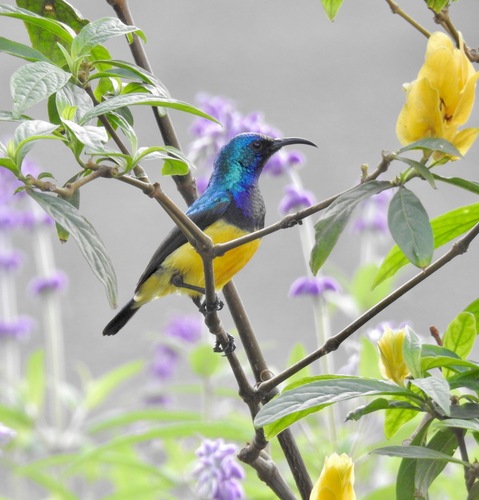 Variable Sunbird
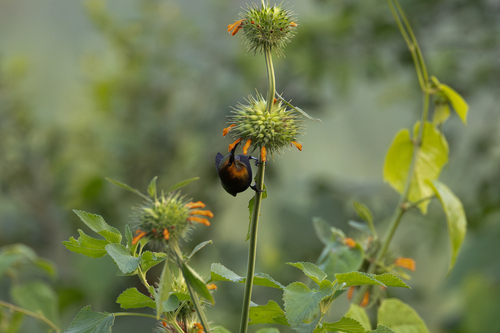 Copper Sunbird
In breve
Il segno distintivo più affidabile per separare il Variable Sunbird dal Copper Sunbird è la dimensione complessiva e il piumaggio del maschio: il Variable Sunbird è notevolmente più piccolo e, nei maschi adulti, mostra una testa e una gola verde lucido con una fascia petto color marrone e un ventre giallo (a volte arancione o bianco). Il Copper Sunbird è più grande e, nei maschi adulti, appare tipicamente più scuro e più uniformemente metallico, privo della fascia petto marrone e del ventre giallo brillante. Le femmine di entrambe le specie sono opache, ma le femmine di Variable Sunbird hanno un sopracciglio pallido chiaro e parti inferiori più gialle. Le differenze strutturali sono sottili, ma il Variable Sunbird è complessivamente più delicato. Entrambe le specie condividono comportamenti alimentari e habitat simili, quindi concentrati sulla dimensione e sul piumaggio maschile per una separazione rapida.
Consigli di identificazione
- La dimensione è un indizio forte: il Variable Sunbird è molto più piccolo e leggero (5,6 g) rispetto al Copper Sunbird (8,6 g). Se un sunbird appare notevolmente piccolo, è più probabile che sia un Variable.
- Il piumaggio del maschio adulto è diagnostico: cerca una testa, una gola e una nuca verde lucido con una fascia petto marrone e un ventre giallo nel Variable Sunbird. I maschi di Copper Sunbird sono più scuri, più uniformemente metallici e privi della fascia marrone e del ventre giallo.
- Le femmine e i maschi in eclipse di Variable Sunbird mostrano un sopracciglio pallido: questo sopracciglio pallido è evidente nelle femmine di Variable Sunbird e assente o molto meno distinto nelle femmine di Copper Sunbird.
- Colore delle parti inferiori nelle femmine: le femmine di Variable Sunbird hanno parti inferiori giallastre, mentre le femmine di Copper Sunbird sono più opache e meno contrastanti sotto.
- Struttura del becco: entrambe hanno becchi di lunghezza media e curvati verso il basso, ma il becco del Variable Sunbird è relativamente più fine e corto, in linea con la sua dimensione più piccola.
- Struttura generale/jizz: il Variable Sunbird appare più delicato e compatto, mentre il Copper Sunbird è più massiccio e pesante.
- Maschi in eclipse (non in riproduzione): i maschi in eclipse di Variable Sunbird assomigliano alle femmine ma mantengono un po' di verde sulla gola. I maschi in eclipse di Copper Sunbird non sono descritti, ma probabilmente rimangono più scuri nel complesso.
- Nessuna differenza distintiva nel pattern delle ali o nel volo: entrambe le specie non presentano segni specifici per età sulle ali o nel volo, quindi non fare affidamento su questa caratteristica.
- Voce: se senti un chiaro richiamo 'tew-tew-tew-tew-tew', indica il Variable Sunbird. L'assenza di questo richiamo non è diagnostica per il Copper Sunbird.
- Habitat e comportamento alimentare: entrambe le specie condividono habitat e strategie alimentari simili, quindi non usare l'habitat come separatore.
- Uccelli giovanili/immaturi: non sono descritti segni specifici, ma usa il sopracciglio e il colore delle parti inferiori come per le femmine.
- Variazione stagionale: i maschi di Variable Sunbirds sono i più brillanti nel piumaggio di riproduzione; i maschi in eclipse e le femmine sono più opachi ma mostrano ancora il sopracciglio e le parti inferiori giallastre.
- Indizi contestuali: se vedi un gruppo di sunbirds, confronta la dimensione relativa e cerca il maschio più brillante: i maschi di Variable Sunbird si distinguono con il loro ventre giallo e la fascia marrone.
- Trappole comuni: non fare affidamento sulla postura alimentare o sull'habitat, poiché entrambe le specie spesso si posano per nutrirsi e si trovano in ambienti simili.
- Quando hai dubbi: concentrati sulla dimensione, sul piumaggio maschile (specialmente la fascia petto marrone e il ventre giallo) e sulla presenza o assenza di un sopracciglio pallido nelle femmine e nei maschi in eclipse.
Taglia
Il Variable Sunbird è nettamente più piccolo, con una massa corporea di circa 5,6 g, rispetto agli 8,6 g del Copper Sunbird [wikidata]. Questa differenza di dimensione è solitamente evidente sul campo, specialmente quando entrambe le specie sono viste fianco a fianco o confrontate con sunbirds familiari. Il Variable Sunbird appare anche più delicato, con un becco più corto e fine e un corpo più compatto. Il Copper Sunbird è più massiccio e pesante, il che può essere evidente anche a distanza.
Piumaggio
Non sono descritte differenze specifiche per età nel pattern delle ali o nel volo per nessuna delle due specie nelle fonti disponibili. Per i maschi adulti, il Variable Sunbird è sorprendente con una testa, una gola e una nuca verde lucido, una fascia petto marrone e un ventre giallo (occasionale arancione o bianco). I maschi di Copper Sunbird sono più uniformemente scuri e metallici, privi della fascia marrone e del ventre giallo brillante; il loro piumaggio può apparire rameo o bronzato, specialmente in buona luce. Le femmine di Variable Sunbird sono grigio-marroni sopra con parti inferiori giallastre e un sopracciglio pallido distintivo, mentre le femmine di Copper Sunbird sono generalmente più opache e prive di un forte sopracciglio, con meno contrasto tra le parti superiori e inferiori. I maschi in eclipse (non in riproduzione) di Variable Sunbird assomigliano alle femmine ma mantengono un po' di verde, specialmente sulla gola. I piumaggi giovanili e immaturi non sono descritti in dettaglio per nessuna delle due specie, ma la presenza o assenza del sopracciglio e il colore delle parti inferiori possono aiutare a separare femmine e immaturi.
Comportamento
Entrambe le specie si nutrono principalmente di nettare, a volte sospendendosi ma più spesso posandosi per nutrirsi. Prendono anche insetti, specialmente quando nutrono i giovani. Il volo di entrambe è veloce e diretto su ali corte. Non ci sono differenze comportamentali descritte che siano diagnostiche tra queste due specie, quindi il comportamento da solo non è un separatore affidabile.
Habitat
Sia il Variable che il Copper Sunbird si trovano in boschi aperti, coltivazioni e habitat simili in tutta l'Africa tropicale ed equatoriale [wikipedia]. I loro areali si sovrappongono ampiamente e entrambi sono comuni nelle rispettive regioni. La scelta dell'habitat non è un segno distintivo affidabile per la separazione.
Voce
L'unica vocalizzazione descritta è per il Variable Sunbird: un chiaro richiamo 'tew-tew-tew-tew-tew' [wikipedia]. Non è disponibile alcuna descrizione vocale per il Copper Sunbird nelle fonti fornite, quindi la voce non è un separatore affidabile a meno che il richiamo del Variable Sunbird non venga sentito chiaramente.
Variable Sunbird · Copper Sunbird · I miei uccelli difficili