

Allocco degli Urali vs Gufo comune
Strix uralensis contro Asio otus
Fai un quiz con Allocco degli Urali e Gufo comune
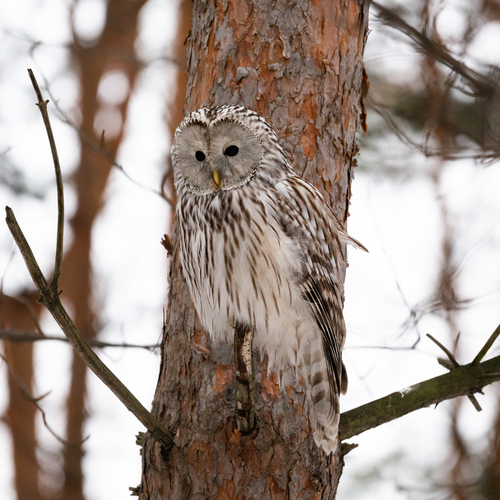 Allocco degli Urali
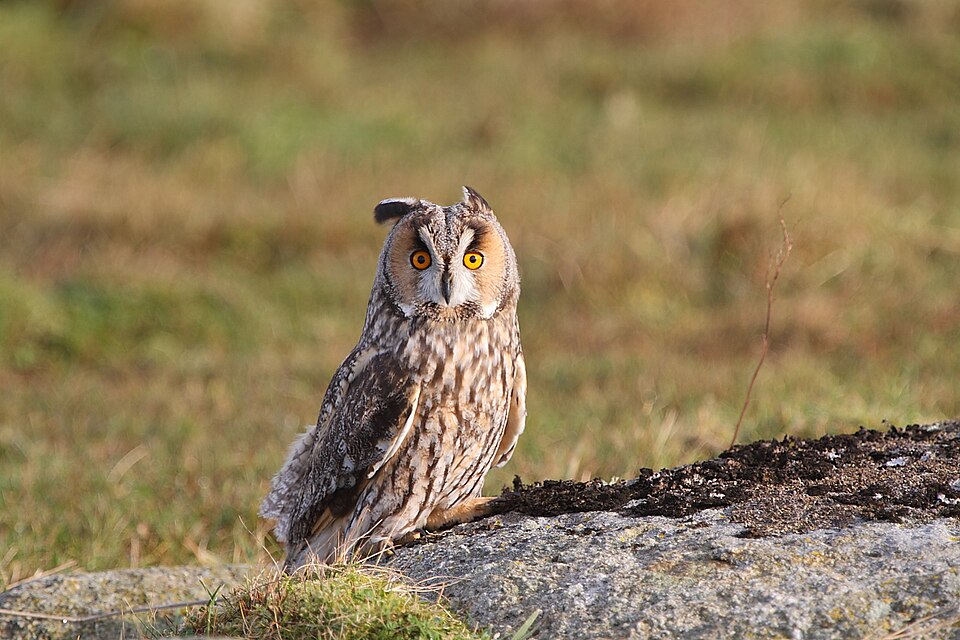 Gufo comune
In breve
Il modo più affidabile per separare l'Allocco degli Urali dal Gufo comune è attraverso la struttura e le caratteristiche facciali: l'Allocco degli Urali è un uccello molto più grande e massiccio con una testa rotonda priva di ciuffi auricolari, mentre il Gufo comune è snello, decisamente più piccolo e mostra sempre ciuffi auricolari prominenti e eretti. In volo o posato, la lunga coda dell'Allocco degli Urali e le pesanti striature verticali delle parti inferiori contrastano con la coda più corta e le parti inferiori a zig-zag (a barre incrociate) del Gufo comune. Il volto dell'Allocco degli Urali è semplice e pallido, senza linee concentriche o ciuffi auricolari, mentre il Gufo comune ha un disco facciale ben definito, spesso con un bordo scuro e linee centrali bianche, e occhi arancioni o arancione-rossi. I modelli di volo giovanili e immaturi non sono descritti come diagnostici tra questi due, quindi concentrati sulla forma generale, sulla testa e sui dettagli del piumaggio.
Consigli di identificazione
- Ciuffi auricolari: Il Gufo comune mostra sempre ciuffi auricolari prominenti e eretti, visibili anche a distanza quando è posato o in volo. L'Allocco degli Urali non ha mai ciuffi auricolari: la sua testa è liscia e rotonda. Questo è il controllo sul campo più veloce in qualsiasi stagione o età.
- Forma della testa: La testa dell'Allocco degli Urali è grande, rotonda e semplice; la testa del Gufo comune appare più stretta ed allungata, accentuata dai ciuffi auricolari.
- Disco facciale: L'Allocco degli Urali ha un disco facciale pallido e semplice, senza linee concentriche o bordo forte; il disco facciale del Gufo comune è ben definito, spesso con un bordo scuro e linee centrali bianche o un 'baffo.'
- Colore degli occhi: L'Allocco degli Urali ha occhi scuri; gli occhi del Gufo comune sono arancioni o arancione-rossi, un controllo sottile ma utile a distanza ravvicinata.
- Striature delle parti inferiori: L'Allocco degli Urali mostra pesanti striature verticali sulle parti inferiori; il Gufo comune ha striature scure sul petto superiore e un modello a zig-zag (a barre incrociate e striature del fusto) sotto, spesso dando un aspetto più decorato.
- Parti superiori e scapolari: Le parti superiori del Gufo comune sono color ocra-tawny con striature e macchie nere, e mostra scapolari bianche contrastanti; l'Allocco degli Urali è più chiaro e uniforme sopra, privo di un forte contrasto scapolare.
- Silhouette in volo: L'Allocco degli Urali è grande e con ali ampie, con una lunga coda, apparendo potente e pesante in volo. Il Gufo comune è molto più snello, con ali lunghe e strette e una coda più corta, dando un profilo di volo più leggero e agile.
- Dimensioni e impressione: L'Allocco degli Urali è molto più grande e massiccio nel complesso. Se la dimensione è evidente (ad esempio, rispetto a corvi o altri gufi), questo è un forte indizio.
- Postura posata: L'Allocco degli Urali si siede eretto e appare massiccio, con una lunga coda spesso visibile. Il Gufo comune è snello, spesso allungato, e può apparire più all'erta o nervoso.
- Marcature facciali: Il Gufo comune mostra spesso un bordo scuro al disco facciale e linee bianche lungo il centro o come un 'baffo,' che l'Allocco degli Urali non ha.
- Pannelli primari in volo: Il Gufo comune può mostrare pannelli color crema o arancioni alla base delle primarie, specialmente in volo; l'Allocco degli Urali non mostra questa caratteristica.
- Lunghezza della coda: La coda dell'Allocco degli Urali è visibilmente più lunga e prominente, sia posata che in volo, rispetto alla coda più corta del Gufo comune.
- Contesto dell'habitat: L'Allocco degli Urali è più probabile che si trovi in foreste mature e vaste; il Gufo comune è più flessibile e spesso si trova in boschetti più piccoli, siepi o vicino a terreni aperti.
- Comportamento: L'Allocco degli Urali può essere visto cacciare alla luce del giorno (specialmente in primavera/estate); il Gufo comune è per lo più notturno o crepuscolare.
- Voce: Non descritta come diagnostica nelle note fornite, ma sul campo, i profondi e lontani hoot dell'Allocco degli Urali differiscono dai richiami più nasali e simili a quelli di un gatto del Gufo comune se uditi.
Taglia
L'Allocco degli Urali è sostanzialmente più grande e pesante del Gufo comune. L'Allocco degli Urali è un grande gufo del genere Strix con un corpo robusto, una lunga coda e ali ampie, mentre il Gufo comune è un gufo di dimensioni medie, molto più leggero e snello, con un'apertura alare di 86–102 cm e una lunghezza di 31–40 cm [wikipedia]. La presenza dell'Allocco degli Urali è imponente e appare molto più massiccia rispetto al Gufo comune, che è circa la metà del peso di un Allocco e considerevolmente più leggero dell'Allocco degli Urali [wikipedia, avonet].
Piumaggio
-
Modello di ali giovanili/immaturi: Non sono descritte differenze specifiche di età nel modello di ali superiori o nel volo come diagnostiche tra queste due specie nelle fonti. Concentrati su caratteristiche strutturali e facciali per tutte le età.
-
Adulti: L'Allocco degli Urali ha un disco facciale pallido e rotondo senza ciuffi auricolari e privo di linee concentriche; le sue parti inferiori mostrano pesanti striature verticali. Il Gufo comune mostra sempre ciuffi auricolari prominenti e eretti, un disco facciale ben sviluppato con un bordo scuro e spesso linee centrali bianche o un 'baffo,' e parti inferiori con striature scure sopra e un modello a zig-zag (a barre incrociate e striature del fusto) sotto. Le parti superiori dell'Allocco degli Urali sono generalmente pallide e uniformi rispetto al Gufo comune, che è color ocra-tawny, variabilmente striato e macchiato. Il Gufo comune mostra anche scapolari bianche contrastanti e, in volo, pannelli color crema o arancioni alla base delle primarie, che non sono presenti nell'Allocco degli Urali. Il colore degli occhi è anche un indizio: l'Allocco degli Urali ha occhi scuri, quelli del Gufo comune sono arancioni o arancione-rossi.
Comportamento
L'Allocco degli Urali è generalmente più robusto e si siede eretto con una grande testa rotonda e una lunga coda, apparendo spesso calmo e non affrettato. Il Gufo comune è snello, spesso apparendo allungato quando è posato, con i ciuffi auricolari eretti e un comportamento più nervoso o all'erta. In volo, l'Allocco degli Urali appare pesante e potente con una lunga coda, mentre il Gufo comune è leggero e agile, con ali lunghe e strette e una coda più corta. L'Allocco degli Urali può essere parzialmente diurno, specialmente durante la stagione riproduttiva, mentre il Gufo comune è per lo più notturno e crepuscolare.
Habitat
Entrambe le specie possono verificarsi in habitat forestali, ma l'Allocco degli Urali predilige boschi maturi e vasti, spesso in aree più settentrionali o montane, ed è più probabile trovarlo in foreste profonde o ai margini delle foreste. Il Gufo comune è più adattabile, trovato in una gamma più ampia di habitat boschivi, inclusi boschetti più piccoli, siepi e anche vicino a terreni aperti, ed è generalmente più diffuso in tutta Europa e nel Paleartico. La presenza dell'Allocco degli Urali indica spesso tratti forestali più grandi e più antichi, mentre il Gufo comune può essere trovato in paesaggi più frammentati o aperti.
Allocco degli Urali · Gufo comune · I miei uccelli difficili