

Todd's Antwren vs Ancient Antwren
Herpsilochmus stictocephalus contro Herpsilochmus gentryi
Fai un quiz con Todd's Antwren e Ancient Antwren
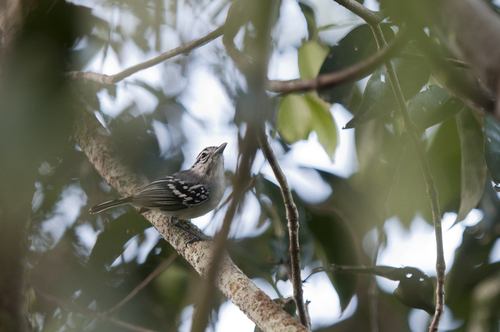 Todd's Antwren
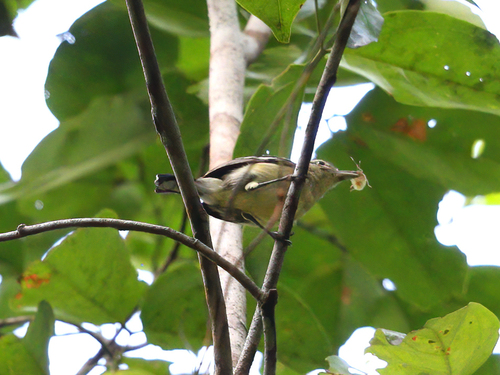 Ancient Antwren
In breve
Il segno di campo più affidabile tra Todd's Antwren e Ancient Antwren è il colore delle parti inferiori e del supercilium: Ancient Antwren (soprattutto i maschi) mostra parti inferiori e supercilium giallastri, mentre Todd's Antwren è grigio pallido sotto con un supercilium bianco. I maschi adulti di entrambi hanno corone nere, ma Todd's ha una fronte e un supercilium striati di bianco, mentre quello di Ancient è solidamente nero sopra l'occhio. Le piume femminili e immature differiscono per le macchie sulla corona e il colore delle parti inferiori, con le femmine di Ancient Antwren che mostrano macchie gialle o biancastre sulla corona e parti inferiori di un verde oliva più scuro, e le femmine di Todd's che mostrano una sfumatura color crema e parti inferiori più chiare e color crema. Entrambe le specie sono foraggere della chioma, ma i loro areali non si sovrappongono: Todd's si trova nelle Guiane e nel Brasile nordorientale, Ancient nel Perù settentrionale e nell'Ecuador sudorientale. La voce non è ben descritta per Ancient, ma Todd's ha una serie distintiva di note discendenti.
Consigli di identificazione
- Il colore delle parti inferiori è fondamentale: Ancient Antwren (soprattutto i maschi) mostra gola e parti inferiori giallastre, mentre Todd's Antwren è grigio pallido o color crema sotto (femmine) e con gola bianca. Questo è più affidabile in buona luce.
- Colore del supercilium: Ancient Antwren ha un supercilium giallastro; quello di Todd's Antwren è lungo e bianco. Questo è visibile in entrambi i sessi e le età.
- Schema della corona nei maschi: I maschi di Todd's Antwren hanno una corona nera con brevi striature bianche sulla fronte; i maschi di Ancient Antwren hanno una corona nera solida senza striature.
- Schema della corona nelle femmine/immaturi: Le femmine e i subadulti di Ancient Antwren mostrano macchie giallastre o biancastre sulla corona; le femmine di Todd's Antwren hanno una corona nera con macchie bianche e una sfumatura color crema sulla fronte.
- Parti superiori e groppa: Ancient Antwren è grigio scuro sopra, mentre Todd's Antwren è grigio chiaro con piccole macchie nere e una distintiva macchia bianca tra le scapole (visibile quando è posato o si pulisce).
- Colore del petto e dei lati nelle femmine: Le femmine di Ancient Antwren hanno petti e lati di un verde oliva più scuro; le femmine di Todd's Antwren sono di un color crema più chiaro.
- Schema delle ali e della coda: Entrambi hanno ali nere con copritrici bianche e piume di volo bordate di bianco, ma le ali e la coda di Ancient sono più corte e più compatte. Todd's Antwren ha una macchia bianca più estesa tra le scapole e più bianco sulle piume centrali della coda.
- Forma della coda: Ancient Antwren ha una coda corta e graduata; la coda di Todd's Antwren è leggermente più lunga ma con uno schema simile.
- Comportamento di foraggiamento: Ancient Antwren mostra spesso battiti d'ali e brevi salti; Todd's Antwren è più metodico e tende a foraggiare alle estremità dei rami.
- Habitat e areale: Se ti trovi nelle Guiane o nel Brasile nordorientale, è Todd's Antwren; se nel Perù settentrionale o nell'Ecuador sudorientale, è Ancient Antwren. Non si sovrappongono.
- Vocalizzazione: Se senti una serie rapida e discendente di note come descritto per Todd's, Ancient può essere escluso. La voce di Ancient non è documentata nelle note disponibili.
- Dimorfismo sessuale: Entrambe le specie mostrano alcune differenze, ma quelle di Ancient sono meno pronunciate; le femmine di Ancient Antwren possono sembrare simili ai maschi tranne per le macchie sulla corona e le parti inferiori più opache.
- Dimensioni: Ancient Antwren è leggermente più pesante, ma questo non è un segno di campo affidabile.
- Trappole di piumaggio: Gli immaturi di Ancient Antwren possono essere confusi con le femmine di Todd's a causa delle macchie sulla corona; usa il colore delle parti inferiori e del supercilium per separarli.
- Contesto: Entrambi sono uccelli della chioma, spesso in stormi misti; il contesto da solo non è diagnostico, ma lo stile di foraggiamento e l'areale sono utili.
Taglia
Entrambe le specie sono simili in lunghezza (10–11 cm), ma Ancient Antwren è leggermente più pesante (10.2–11 g) rispetto a Todd's Antwren (8–9.5 g). Questa differenza è sottile e poco probabile che sia utile sul campo a meno che gli uccelli non siano visti fianco a fianco. Entrambi sono piccoli e attivi antwrens della chioma.
Piumaggio
Le piume giovanili e femminili sono le più probabili a causare confusione. Le femmine e i subadulti di Ancient Antwren mostrano macchie giallastre o biancastre sulla corona e hanno petti e lati di un verde oliva più scuro, con parti inferiori giallastre. Le femmine di Todd's Antwren hanno una sfumatura color crema sulla fronte, una corona nera con macchie bianche, e petto e lati di un color crema chiaro, ma le loro parti inferiori sono generalmente più chiare rispetto a quelle di Ancient. In tutte le piume, Ancient Antwren ha un supercilium e una gola giallastri, mentre Todd's Antwren mostra un lungo supercilium bianco e una gola bianca. I maschi di entrambi hanno corone nere, ma quella di Todd's è striata o macchiata di bianco sulla fronte, mentre quella di Ancient è solidamente nera. Entrambi hanno ali nere con copritrici bianche e piume di volo bordate di bianco, ma le ali e la coda di Ancient sono più corte e più compatte. Lo schema della coda è simile: entrambi hanno code nere con punte e bordi bianchi, ma Todd's mostra una macchia bianca tra le scapole e più bianco sulle piume centrali della coda.
Comportamento
Entrambe le specie foraggiano attivamente nella chioma o nel sottobosco, raccogliendo insetti da foglie e rami, spesso in stormi misti o piccoli gruppi familiari. Ancient Antwren è nota per i battiti d'ali intervallati e brevi salti durante il foraggiamento, mentre Todd's Antwren foraggia in modo metodico alle estremità dei rami e nelle trame di vite. Nessuna delle due specie è nota per seguire le formiche soldato.
Habitat
Todd's Antwren si trova nelle foreste sempreverdi umide delle Guiane e del Brasile nordorientale, preferendo foreste alte e ricche di nutrienti da livello del mare fino a 700 m, e quasi mai si trova in savane forestali o foreste allagate stagionalmente. Ancient Antwren è limitata alle foreste di terra firme del Perù settentrionale e dell'Ecuador sudorientale. I loro areali non si sovrappongono, quindi il contesto geografico è un forte indizio. Entrambi sono specialisti della chioma.
Voce
Todd's Antwren emette una breve, alta e rapida serie di circa 12 note che scendono e rallentano alla fine, oltre a chiamate brusche 'tup' e 'chit'. La voce di Ancient Antwren non è descritta in dettaglio nelle note disponibili, quindi la separazione vocale è affidabile solo per Todd's. Se senti il canto descritto di Todd's, Ancient può essere escluso.