

Thick-billed Kingbird vs Gray Kingbird
Tyrannus crassirostris contro Tyrannus dominicensis
Fai un quiz con Thick-billed Kingbird e Gray Kingbird
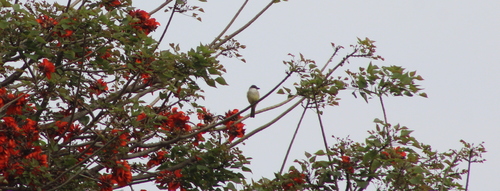 Thick-billed Kingbird
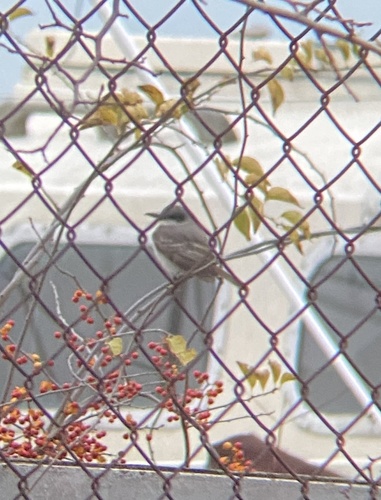 Gray Kingbird
In breve
Il segno distintivo più affidabile tra il Thick-billed Kingbird e il Gray Kingbird è il becco: il Thick-billed Kingbird ha un becco notevolmente più robusto e pesante, mentre quello del Gray Kingbird è ancora forte ma meno profondo. I giovani Gray Kingbird mostrano bordi rugginosi sulle copritrici delle ali, sul sopracciglio e sulla coda, che non sono mai presenti nel Thick-billed. Negli adulti, il Thick-billed Kingbird ha una parte superiore più scura e di tonalità oliva e un ventre giallo, mentre il Gray Kingbird è di un grigio più chiaro sopra e bianco sotto. Entrambe le specie hanno macchie gialle nascoste sulla corona, ma l'aspetto generale, la struttura del becco e il colore della parte inferiore sono i migliori indizi sul campo. L'habitat e l'areale raramente si sovrappongono, ma può verificarsi confusione con i vagabondi.
Consigli di identificazione
- Dimensione e forma del becco: Il Thick-billed Kingbird ha un becco molto più robusto e profondo rispetto al Gray Kingbird. In buona luce, cerca un becco pesante, quasi sovradimensionato sul Thick-billed; quello del Grey è forte ma più snello nel profilo.
- Piumaggio giovanile: Solo i giovani Gray Kingbird hanno bordi rugginosi (ossidati) sulle copritrici delle ali, sul sopracciglio e sulla coda. Se vedi questi bordi caldi, specialmente in volo o su uccelli posati, è un Gray Kingbird.
- Colore della parte inferiore: Il Thick-billed Kingbird mostra sempre parti inferiori giallastre (da canarino pallido a primula profonda), specialmente sul ventre e sulle copritrici della coda. Il Gray Kingbird è bianco sotto con solo una leggera sfumatura grigia sul petto—mai giallo.
- Tonalità della parte superiore: Il Thick-billed Kingbird è più scuro e di un oliva più intenso sopra, mentre il Gray Kingbird è di un grigio più chiaro e pulito. Questo è sottile ma può aiutare in buona luce.
- Schema facciale: Il Gray Kingbird ha una maschera scura distintiva attorno all'occhio, dando un aspetto da bandito. Il Thick-billed ha guance bianche e un viso meno marcato.
- Macchia coronale: Entrambe le specie hanno una macchia coronale gialla nascosta, ma è raramente visibile e non è affidabile per l'identificazione sul campo.
- Bordi della coda e delle ali: La coda e le ali del Thick-billed Kingbird hanno bordi pallidi o cannella, mentre quelli del Gray Kingbird sono più uniformemente marroni. Questo è sottile e meglio visto da vicino.
- Dimensione e aspetto generale: Il Thick-billed Kingbird è più robusto, specialmente nella testa e nel becco, e spesso appare più pesante nel complesso. Il Gray Kingbird è leggermente più piccolo e snello.
- Comportamento: Entrambi si lanciano da posatoi alti, ma il Thick-billed può apparire più deliberato e massiccio nei suoi movimenti. Il Gray Kingbird è audace e aggressivo, spesso attaccando uccelli più grandi.
- Vocalizzazioni: Se senti un forte trill rotolante "pipiri, pipiri", è un Gray Kingbird. Le chiamate del Thick-billed non sono così distintive o trillanti.
- Habitat e areale: Negli Stati Uniti, il Thick-billed Kingbird si trova nel sud-ovest arido, specialmente lungo fiumi e boschi aperti. Il Gray Kingbird è una specie caraibica e costiera, raramente trovata nell'entroterra o in alta quota. Se sei in Arizona o Nuovo Messico, ci si aspetta il Thick-billed; in Florida o nei Caraibi, il Gray Kingbird è la norma.
- Sesso e stagione: Entrambi i sessi sono simili in entrambe le specie, e la variazione stagionale è minore tranne che per l'usura delle piume. Sottile differenze nella tonalità della parte superiore nel Thick-billed (meno oliva, giallo più chiaro) possono essere dovute all'usura, non all'età o al sesso.
- Trappole: Non fare affidamento sulla macchia coronale gialla, poiché è solitamente nascosta. La dimensione del becco e il colore della parte inferiore sono più affidabili. Il piumaggio giovanile è diagnostico solo per il Gray Kingbird.
- Quando hai dubbi: Concentrati sulla struttura del becco, sul colore della parte inferiore e sulla maschera facciale. Se vedi giallo sotto e un becco pesante, è un Thick-billed; se è bianco sotto con una maschera scura, è un Gray Kingbird.
- Viste in volo: I giovani Gray Kingbird possono mostrare ruggine sulle ali e sulla coda in volo, cosa che il Thick-billed non mostra mai. Gli adulti sono meglio separati per becco, colore della parte inferiore e aspetto generale.
Taglia
Il Thick-billed Kingbird è il più grande e pesante dei due, con una lunghezza media di circa 25 cm e una massa di 52–59 g. Il Gray Kingbird è leggermente più piccolo, con una lunghezza di circa 23 cm e una massa di 37–52 g (media 43,8 g). Sul campo, questa differenza di dimensioni è sottile, ma il Thick-billed appare spesso più robusto, specialmente nella testa e nel becco.
Piumaggio
- Uccelli giovanili/immaturi: I giovani Gray Kingbird hanno bordi rugginosi distintivi sulle copritrici delle ali, sul sopracciglio e sulla coda, che sono assenti nel Thick-billed Kingbird di qualsiasi età. Questo è il segno specifico di età più affidabile in volo o posato.
- Adulti: Il Thick-billed Kingbird ha una corona e una fronte di un marrone grigiastro scuro, con un dorso di un grigio oliva pallido e un ventre giallo (che varia da pallido a primula profonda). Il Gray Kingbird è complessivamente più chiaro, con parti superiori grigie, ali e coda marroni, e parti inferiori bianche con solo una leggera sfumatura grigia sul petto. Entrambe le specie hanno una macchia coronale gialla nascosta, ma è raramente visibile.
- Schema della testa: Il Gray Kingbird mostra una maschera scura attorno agli occhi, mentre il Thick-billed ha guance bianche e una maschera facciale meno distinta.
- Coda e ali: Entrambi hanno code marroni, ma la coda e le ali del Thick-billed hanno bordi pallidi o cannella, mentre quelle del Gray Kingbird sono più uniformemente marroni senza bordi forti.
Comportamento
Entrambe le specie sono difensori aggressivi dei loro territori, spesso attaccando uccelli più grandi. Il Thick-billed Kingbird di solito caccia da posatoi alti ed esposti, lanciandosi per catturare insetti in volo (hawking). Il Gray Kingbird è anche altamente territoriale e noto per la sua audacia, a volte attaccando rapaci e mammiferi. Il loro stile di foraggiamento è simile, ma il Thick-billed può apparire più deliberato e massiccio nei suoi movimenti.
Habitat
Il Thick-billed Kingbird si trova nel sud-ovest degli Stati Uniti, in Messico e in Guatemala, preferendo boschi ripariali, pianure alluvionali aperte e foreste decidue tropicali, spesso a elevazioni fino a 2.000 m. Il Gray Kingbird è una specie caraibica e costiera, di solito in aree aperte, margini e vicino all'acqua, ma non negli habitat aridi o montani preferiti dal Thick-billed. La sovrapposizione è rara, tranne che per i vagabondi, quindi il contesto è un forte indizio.
Voce
Il Gray Kingbird ha un forte trill rotolante descritto come "pipiri, pipiri," che è distintivo e la fonte di molti nomi locali. Le vocalizzazioni del Thick-billed Kingbird sono meno ben descritte nelle fonti, ma non sono notate come simili a quelle forti e trillanti del Gray Kingbird. Se senti la classica chiamata "pipiri", favorisce fortemente il Gray Kingbird.
Thick-billed Kingbird · Gray Kingbird · I miei uccelli difficili