

Thekla's Lark vs Cappellaccia
Galerida theklae contro Galerida cristata
Fai un quiz con Thekla's Lark e Cappellaccia
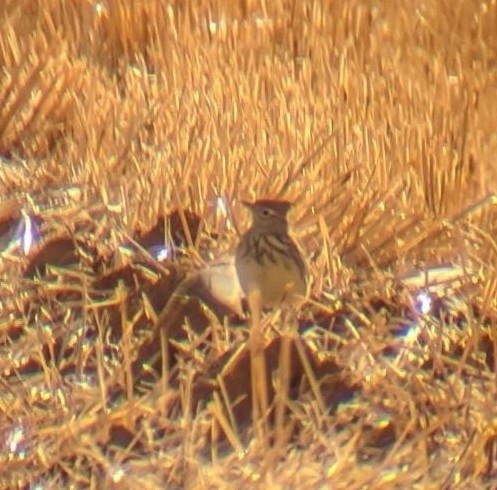 Thekla's Lark
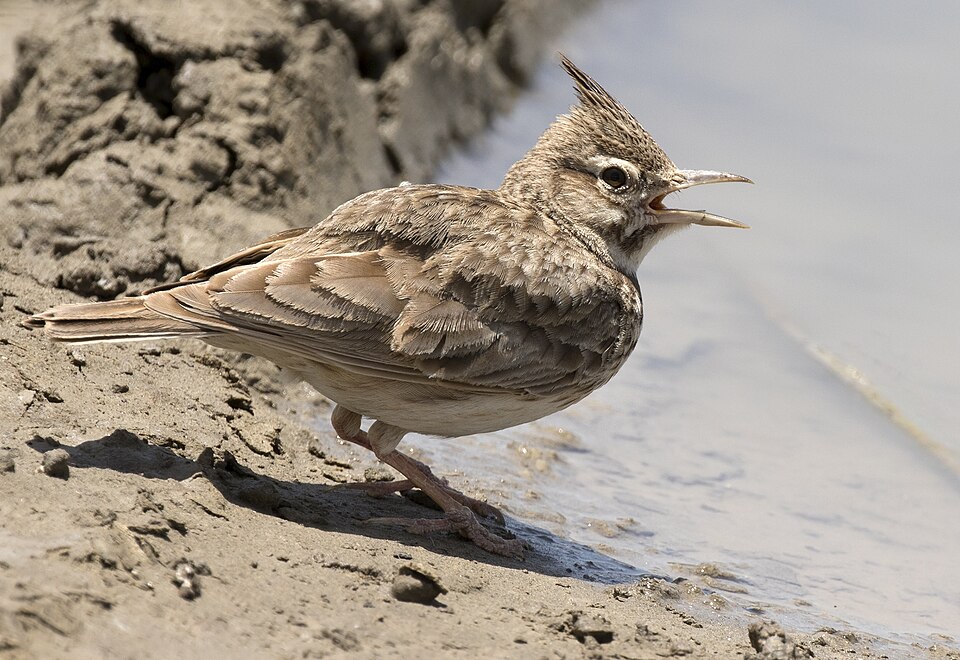 Cappellaccia
In breve
Il segno di campo più affidabile per separare Thekla's Lark da Cappellaccia è il colore dell'ala inferiore in volo: Thekla's Lark mostra ali inferiori grigie, mentre Cappellaccia presenta ali inferiori rossastre. Quando è posata, Thekla's Lark è generalmente più grigia nel complesso, specialmente sulla schiena e sul coda, e ha striature sul petto più pesanti e nere, mentre Cappellaccia appare di un marrone più caldo e meno striato sotto. Anche la struttura del becco aiuta: Thekla's Lark ha un becco più corto e tozzo rispetto al becco più lungo e curvo di Cappellaccia. Entrambe le specie hanno una cresta prominente, ma differenze sottili nella forma del corpo e nel piumaggio possono aiutare con un'osservazione attenta.
Consigli di identificazione
- Colore dell'ala inferiore in volo: Thekla's Lark mostra ali inferiori grigie; Cappellaccia mostra ali inferiori rossastre. Questo è il segno più affidabile quando gli uccelli vengono spaventati o volano.
- Colore della schiena e del coda: Thekla's Lark è visibilmente più grigia sopra, specialmente sulla schiena e sul coda, mentre Cappellaccia è di un marrone più caldo. Questo è meglio giudicato in buona luce.
- Striature sul petto: Thekla's Lark ha striature più pesanti e nere sul petto; Cappellaccia è più chiara e meno striata sotto. Questo è visibile sugli uccelli posati a distanza moderata.
- Forma del becco: Thekla's Lark ha un becco più corto e tozzo; il becco di Cappellaccia è più lungo e più curvo. La forma del becco è meglio vista di profilo a distanza ravvicinata.
- Forma della cresta: Entrambe le specie hanno una cresta prominente e appuntita. La cresta di Thekla's Lark può apparire più appuntita, ma questo è sottile e variabile.
- Confusione giovanile: I giovani Cappellaccia hanno più macchie sulla schiena, che possono essere confuse con le striature più pesanti di Thekla's. Concentrati sul colore dell'ala inferiore e sul tono generale per gli immaturi.
- Schema della coda: Cappellaccia ha una coda corta con piume esterne di un marrone chiaro; lo schema della coda di Thekla's non è evidenziato come distintivo.
- Aspetto generale: Cappellaccia appare più robusta, specialmente attorno alla testa e al corpo, mentre Thekla's Lark è più snella e più corta.
- Contesto dell'habitat: Thekla's Lark è più probabile che si trovi in terreni rocciosi, collinari o ad alta quota; Cappellaccia predilige campi aperti, terre incolte e margini urbani.
- Canto: Solo il canto di Cappellaccia è descritto; se senti un canto liquido e gorgheggiante da un uccello che canta in alto nell'aria o a terra, è probabile che sia Cappellaccia, ma questo non è diagnostico senza ulteriori dettagli.
- Sesso e stagione: Entrambi i sessi sono simili in entrambe le specie, e non c'è una forte variazione stagionale nel piumaggio descritta, quindi questi non sono utili per la separazione.
- Trappole: Non fare affidamento solo sulla forma o sulla dimensione della cresta, poiché entrambe le specie sono simili. Il colore dell'ala inferiore in volo e il tono generale grigio vs marrone sono più affidabili.
- Quando hai dubbi: Se l'uccello è in volo e non puoi vedere il colore dell'ala inferiore, usa una combinazione del colore della schiena, delle striature sul petto e della forma del becco, ma fai attenzione: alcuni individui sono intermedi.
- Abbondanza locale: Entrambe le specie possono verificarsi nella stessa regione, ma la preferenza dell'habitat può aiutare a inclinare l'equilibrio se l'uccello si trova in terreni particolarmente rocciosi o ad alta quota (favorire Thekla's) o in campi aperti e disturbati (favorire Cappellaccia).
Taglia
Cappellaccia è leggermente più grande e robusta, con un'altezza di circa 17 cm e un'apertura alare di 29–38 cm, pesando 37–55 g [wikipedia]. Thekla's Lark è un'allodola di dimensioni piccole, leggermente più piccola dell'Allodola e anche più piccola di Cappellaccia, ma le misure esatte non sono fornite nelle note. Sul campo, Cappellaccia appare spesso più robusta, specialmente attorno alla testa e al corpo, mentre Thekla's Lark appare un po' più snella e più corta nel complesso.
Piumaggio
- Uccelli giovanili/immaturi: I giovani Cappellaccia hanno più macchie sulla schiena rispetto agli adulti, il che può essere una trappola se confuso con le striature più pesanti di Thekla's Lark. Thekla's Lark di tutte le età mostra striature più pesanti e nere sul petto e un tono generalmente più grigio sopra, specialmente sulla schiena e sul coda.
- Viste adulte/in volo: Thekla's Lark ha ali inferiori grigie in volo, una distinzione chiave rispetto alle ali inferiori rossastre di Cappellaccia. Cappellaccia è di un marrone più caldo sopra, con striature più rade e più chiare sotto, e la sua coda ha piume esterne di un marrone chiaro. Entrambe le specie hanno una lunga cresta appuntita, ma quella di Thekla's è spesso descritta come più appuntita.
- Viste posate: Thekla's Lark è complessivamente più grigia, specialmente sulla schiena e sul coda, e ha striature sul petto più pesanti e scure. Cappellaccia è più marrone e meno striata, con un aspetto più chiaro e più rado. Entrambi i sessi sono simili in entrambe le specie.
Comportamento
Entrambe le specie sono terrestri e spesso si trovano in habitat aperti e asciutti. Cappellaccia è nota per il suo volo ondulato e spesso canta da terra o in alto nell'aria. Thekla's Lark è anche un abitante del suolo ma si trova più spesso ad altitudini più elevate e in terreni più accidentati e rocciosi. Entrambe le specie mostrano una cresta prominente, che di solito è sollevata quando sono eccitate o cantano.
Habitat
Thekla's Lark preferisce terreni aperti e asciutti, spesso a qualche altitudine, ed è più probabile trovarla in terreni rocciosi o collinari. Cappellaccia è diffusa in tutta l'Eurasia e nel nord Africa, prediligendo terre incolte, campi aperti e periferie urbane, spesso a quote più basse. Può verificarsi sovrapposizione, ma Thekla's è più ristretta a terreni più accidentati e meno coltivati.
Voce
Cappellaccia ha un canto liquido e gorgheggiante, spesso descritto come 'whee-whee-wheeoo' o 'twee-tee-too', e canta sia da terra che in volo. Le vocalizzazioni di Thekla's Lark non sono dettagliate nelle note fornite, quindi il canto non è una caratteristica di separazione affidabile basata su queste informazioni.