

Piro piro del Terek vs Piro piro piccolo
Xenus cinereus contro Actitis hypoleucos
Fai un quiz con Piro piro del Terek e Piro piro piccolo
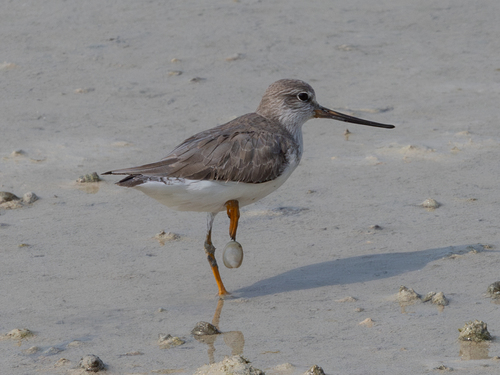 Piro piro del Terek
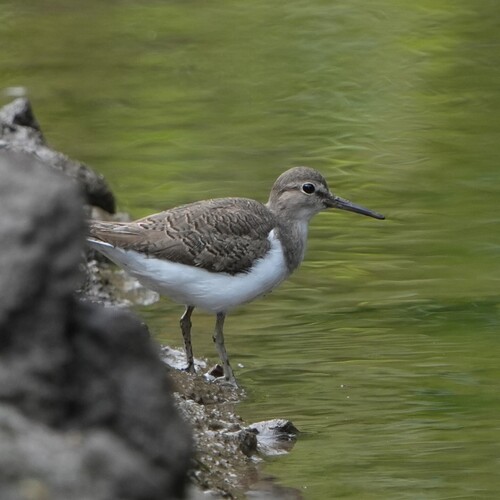 Piro piro piccolo
In breve
Il segno distintivo più affidabile tra il Piro piro del Terek e il Piro piro piccolo è il lungo becco ricurvo del Terek, che si distingue anche da lontano. In volo o a riposo, il Piro piro del Terek mostra un tono generale più grigio con un sopracciglio bianco e zampe gialle, mentre il Piro piro piccolo è più marrone sopra, con zampe più opache e un becco più corto e dritto. I giovani Piro piro piccoli hanno più barre sulle parti superiori e sulle ali, ma nessuna delle due specie mostra un motivo di ala superiore sorprendente in volo. La dimensione è solo leggermente diversa, quindi concentrati sulla forma del becco e sul colore delle zampe per una separazione rapida.
Consigli di identificazione
- La forma del becco è il separatore più veloce: Il Piro piro del Terek ha un lungo becco ricurvo (che ricorda un avocetta, ma meno estremo), mentre il becco del Piro piro piccolo è corto, dritto e solo leggermente ricurvo alla punta. Questo funziona in tutte le età e stagioni.
- Colore delle zampe: Il Piro piro del Terek mostra zampe e piedi gialli brillanti; quelli del Piro piro piccolo sono più opachi, di un giallo scuro. Questo è visibile quando gli uccelli sono in piedi o in cerca di cibo.
- Tono di colore generale: Il Piro piro del Terek è più grigio sopra, specialmente sulla schiena, sul viso e sul petto, mentre il Piro piro piccolo è più marrone sopra e sul viso. Questo è affidabile in tutte le livree.
- Sopracciglio: Il Piro piro del Terek mostra spesso un sopracciglio bianco più distinto, anche se può essere debole. Il viso del Piro piro piccolo è meno contrastante.
- Pancia e parti inferiori: Entrambi hanno parti inferiori bianche, ma il petto grigio del Piro piro del Terek contrasta di più con la pancia, mentre il Piro piro piccolo è più uniformemente marrone sopra e bianco sotto.
- Motivo delle ali nei giovani/primi inverni: I giovani Piro piro piccoli mostrano più barre sulle parti superiori e bordi color crema sulle piume delle ali, ma questo è sottile e visibile solo a distanza ravvicinata. I giovani Piro piro del Terek non sono descritti come aventi motivi distintivi sulle ali.
- Stile di volo: Il Piro piro piccolo ha un volo diretto, basso e con ali rigide sopra l'acqua. Il volo del Piro piro del Terek è meno distintivo in questo modo.
- Comportamento: Il Piro piro del Terek è più attivo, spesso corre dietro alla preda e si associa ad altri trampolieri. Il Piro piro piccolo è solitario, con caratteristici movimenti di pompaggio della coda e di movimento della testa.
- Associazione con altre specie: Il Piro piro del Terek è più probabile che si trovi in stormi misti di specie, specialmente con i piovanelli e piccoli calidri; il Piro piro piccolo è solitamente solo.
- Preferenza dell'habitat: Il Piro piro del Terek preferisce le coste fangose aperte ed è meno probabile che si trovi nell'entroterra; il Piro piro piccolo è spesso lungo le rive d'acqua dolce, fiumi e laghi.
- Dimensione: Il Piro piro del Terek è solo leggermente più grande, ma questo non è affidabile a meno che entrambe le specie non siano insieme.
- Colore del becco: Il becco del Piro piro del Terek ha una base giallastra e una punta nera; il becco del Piro piro piccolo è chiaro alla base e scuro alla punta, ma più corto e dritto.
- Voce: Se sentito, il Piro piro del Terek emette un fischio acuto. Usa questo se vengono emessi richiami.
- Confusione stagionale: In inverno, il Piro piro piccolo diventa più opaco e più barrato, ma il colore del becco e delle zampe rimane affidabile.
- Trappole: Non fare affidamento solo sulla dimensione o sulle barre sottili delle ali; controlla sempre prima la forma del becco e il colore delle zampe, specialmente in stormi misti o in scarsa illuminazione.
Taglia
Il Piro piro del Terek è leggermente più grande, misurando 22–25 cm di lunghezza, rispetto ai 18–20 cm del Piro piro piccolo. Questa differenza è sottile sul campo, specialmente senza un confronto diretto. Entrambi sono piccoli trampolieri, ma il becco e le zampe più lunghi del Terek possono farlo apparire più snello. L'apertura alare non è distintivamente diagnostica tra di loro, e entrambi rientrano nella gamma dei piccoli e medi trampolieri. Usa la struttura piuttosto che la dimensione per una separazione affidabile.
Piumaggio
I giovani e i primi inverni del Piro piro piccolo hanno parti superiori più pesantemente barrate e piume delle ali con bordi color crema, ma questi segni sono sottili e richiedono viste ravvicinate. In tutte le livree, il Piro piro del Terek è più grigio sopra e sul viso e sul petto, con una pancia costantemente bianca e un sopracciglio bianco più distinto (anche se questo può essere debole). Il Piro piro piccolo è più marrone sopra, con parti inferiori bianche e meno contrasto sul viso. In inverno, il Piro piro piccolo diventa più opaco con barre delle ali più visibili, ma questo non è un forte segno distintivo a distanza. Le zampe gialle del Terek e il becco con una base giallastra sono distintivi, mentre il Piro piro piccolo ha zampe più opache, di un giallo scuro e un becco dritto con una base chiara e una punta scura. Nessuna delle due specie mostra un motivo audace sulle ali in volo, ma le barre delle ali del Piro piro piccolo sono più evidenti nei giovani e negli uccelli invernali a distanza ravvicinata.
Comportamento
Il Piro piro del Terek è notevolmente attivo, spesso corre dietro alla preda e lava il cibo al bordo dell'acqua. Si associa frequentemente ad altri trampolieri, a volte unendosi anche a specie diverse. Il Piro piro piccolo è più solitario, di solito visto da solo o in piccoli gruppi, ed è famoso per la sua coda oscillante e i movimenti della testa mentre cerca cibo. In volo, il Piro piro piccolo ha un volo diretto, basso e con ali rigide sopra l'acqua, mentre il volo del Piro piro del Terek è meno descritto ma non è noto per questo stile con ali rigide.
Habitat
Entrambe le specie si trovano vicino all'acqua, ma il Piro piro del Terek preferisce le coste fangose ed è più probabile che venga visto in stormi misti di trampolieri, specialmente durante la migrazione. Si riproduce nelle regioni della taiga settentrionale e sverna ampiamente dall'Africa all'Australia, ma è un raro vagabondo in Europa occidentale e Nord America. Il Piro piro piccolo è diffuso nel Paleartico, riproducendosi vicino all'acqua dolce e spesso visto lungo fiumi, laghi e coste, ma raramente si unisce a stormi di più specie. È possibile una sovrapposizione degli habitat, ma il Piro piro del Terek è più probabile che si trovi su spiagge fangose aperte, mentre il Piro piro piccolo preferisce le rive d'acqua dolce più tranquille e meno affollate.
Voce
Il Piro piro del Terek emette un fischio acuto, che può aiutare con l'identificazione se sentito. Il richiamo del Piro piro piccolo non è descritto nelle note, ma non è un punto di separazione primario qui.
Piro piro del Terek · Piro piro piccolo · I miei uccelli difficili