
Calandro vs Prispolone
Anthus campestris contro Anthus trivialis
Fai un quiz con Calandro e Prispolone
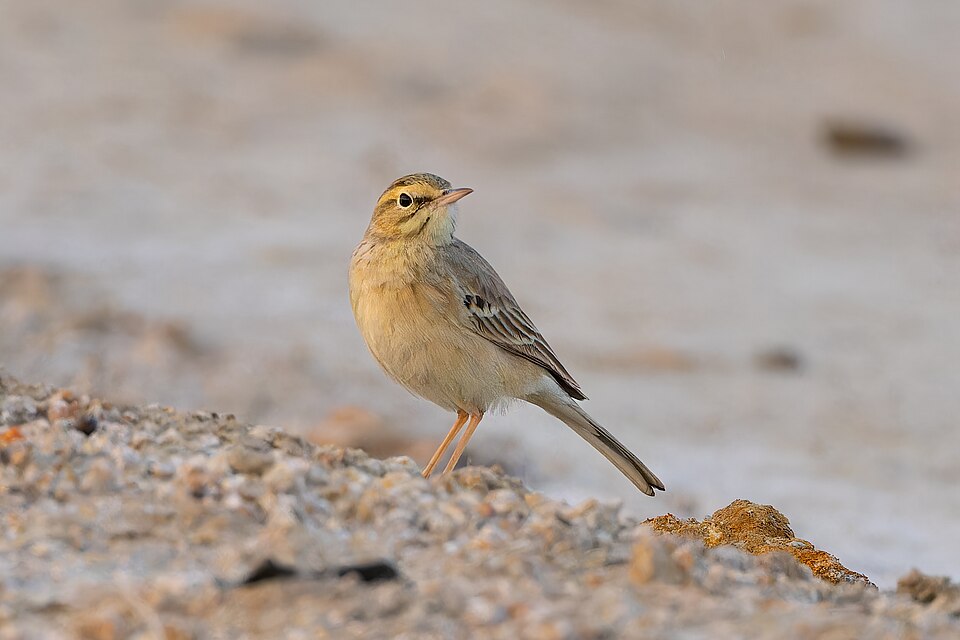 Calandro
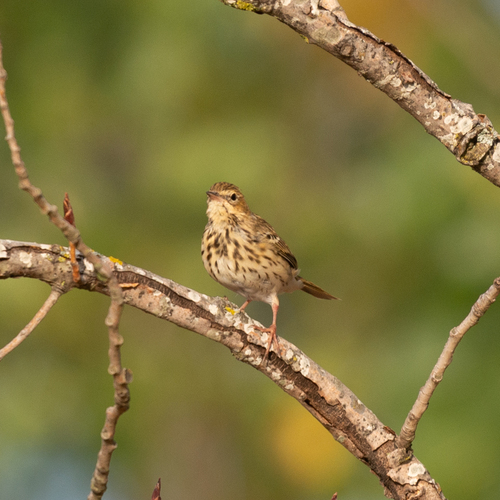 Prispolone
In breve
Il segno di campo più affidabile tra Calandro e Prispolone è il grado di striature: il Prispolone mostra striature nere audaci sul petto e sulle parti superiori, mentre il Calandro è molto più semplice e meno striato nel complesso. Il Calandro è leggermente più grande e con zampe più lunghe, con un aspetto più uniforme e sabbioso, mentre il Prispolone ha un contrasto più forte tra un petto color buff e un ventre bianco, ed è più propenso a posarsi sugli alberi. In volo o a riposo, concentrati sulla quantità e sulla posizione delle striature, sulla forma del becco e sulla posizione di posato preferita dell'uccello. I richiami e i canti sono anche distintivi, con il Calandro che emette un 'schip' di tono più alto e il Prispolone un 'spek' più forte e un canto caratteristico in volo.
Consigli di identificazione
- Breast and upperpart streaking: Il Prispolone mostra striature nere audaci sul petto e sulle parti superiori, mentre il Calandro è molto più semplice e meno striato. Questo è il separatore visivo più affidabile in tutte le livree.
- Breast color contrast: Il Prispolone ha un petto color buff con un forte contrasto rispetto al ventre bianco; il Calandro è più uniformemente chiaro sotto, privo di forte contrasto.
- Bill shape: Il Calandro ha un becco più stretto e appuntito rispetto al becco più pesante del Prispolone. Questo è sottile ma può aiutare a distanza ravvicinata.
- Leg length and stance: Il Calandro appare spesso con zampe più lunghe e più erette, specialmente quando cammina a terra.
- Perching behavior: Il Prispolone si posiziona e canta frequentemente da alberi o cespugli; il Calandro quasi sempre rimane a terra.
- Flight style: Il volo di canto del Prispolone è una discesa lenta e paracadutistica con ali rigide e un canto prolungato; il Calandro ha un volo forte e diretto e non esegue voli di canto paracadutistici.
- Call: Il Calandro emette un 'schip' di tono alto; il richiamo del Prispolone è un 'spek' più forte. Questi sono meglio appresi all'orecchio sul campo.
- Song: Il canto del Calandro è un 'chir-ree chir-ree' breve e forte, mentre il canto del Prispolone è più lungo e viene emesso durante un volo paracadutistico.
- Habitat: In habitat aperti, privi di alberi o sabbiosi, è più probabile trovare il Calandro; in aree con alberi sparsi, felci o margini boschivi, è favorito il Prispolone.
- Seasonal context: Entrambe le specie sono migratori, ma il Prispolone è più probabile in habitat boschivi o di margine durante la migrazione, mentre il Calandro preferisce il paese aperto.
- Size: Il Calandro è leggermente più grande e pesante, ma questo è raramente evidente sul campo a meno che entrambe le specie non siano viste fianco a fianco.
- Jizz: Il Calandro spesso appare più allungato e eretto, mentre il Prispolone è più compatto e accovacciato.
- Confusion risk: Nelle aree di svernamento, entrambe possono verificarsi insieme; controlla sempre le striature e la forma del becco prima di decidere.
- Non-diagnostic marks: Entrambe le specie sono generalmente marroni sopra e chiare sotto, quindi non fare affidamento solo sul colore complessivo.
- Age/sex: Non sono descritti segni di campo specifici per età o sesso per la separazione; tutti i suggerimenti sopra si applicano sia agli adulti che agli immaturi.
Taglia
Entrambe le specie sono simili in dimensioni, con il Prispolone leggermente più pesante (23.5g contro 22.0g per il Calandro) [wikidata]. Il Calandro è descritto come di dimensioni medie-grandi per un pipit, raggiungendo circa 16 cm di lunghezza con un'apertura alare di 25–28 cm, mentre il Prispolone è notato come piccolo ma senza una lunghezza precisa fornita nelle note [wikipedia]. In pratica, la dimensione da sola non è un separatore affidabile sul campo, ma il Calandro può apparire leggermente più lungo e più eretto.
Piumaggio
Il modello delle ali superiori specifico per età non è dettagliato per nessuna delle due specie nelle note disponibili, quindi concentrati sulla livrea complessiva. I Calandri adulti e immaturi sono marrone sabbioso sopra e chiari sotto, con pochissime striature, dando un aspetto uniforme e sbiadito. I Prispoloni, al contrario, sono marroni sopra con striature nere prominenti, specialmente sul petto e sulle parti superiori, e mostrano un contrasto marcato tra il petto color buff e il ventre bianco. Queste differenze sono visibili sia negli uccelli posati che in volo, e sono particolarmente utili in autunno e inverno quando entrambe le specie possono essere presenti insieme. Le striature più pesanti del Prispolone sono il segnale visivo più consistente.
Comportamento
Il Prispolone è molto più propenso a posarsi sugli alberi, spesso cantando da un ramo o lanciandosi nel suo distintivo volo di canto paracadutistico. Il Calandro è tipicamente visto a terra, camminando eretto in aree aperte, e raramente si posa sugli alberi. In volo, il Calandro ha un volo forte e diretto, mentre il volo di canto del Prispolone è una discesa lenta e paracadutistica con ali rigide.
Habitat
Il Calandro preferisce habitat aperti, sabbiosi o erbosi come steppa, brughiera o campi asciutti, ed evita aree con molta copertura arborea. Il Prispolone, come suggerisce il nome, è associato a boschi aperti, margini boschivi e aree con alberi sparsi o felci, spesso dove c'è un mix di erba e cespugli bassi. Se vedi un pipit posato su un albero o cantando da uno, è molto più probabile che sia un Prispolone. In terreni aperti e privi di alberi, è favorito il Calandro.
Voce
Il richiamo del Calandro è un 'schip' acuto e di tono alto, più alto rispetto al Calandro maggiore e diverso dal Prispolone. Il suo canto è un 'chir-ree chir-ree' breve e forte. Il richiamo del Prispolone è un 'spek' forte, e il suo canto viene emesso durante un volo paracadutistico distintivo, diventando più prolungato verso la fine. Se senti un canto prolungato da un uccello che scende in paracadute da un albero, è un Prispolone; un 'chir-ree' breve e ripetuto da un uccello a terra suggerisce un Calandro.