

Calandro vs Gran Canaria Blue Chaffinch
Anthus campestris contro Fringilla polatzeki
Fai un quiz con Calandro e Gran Canaria Blue Chaffinch
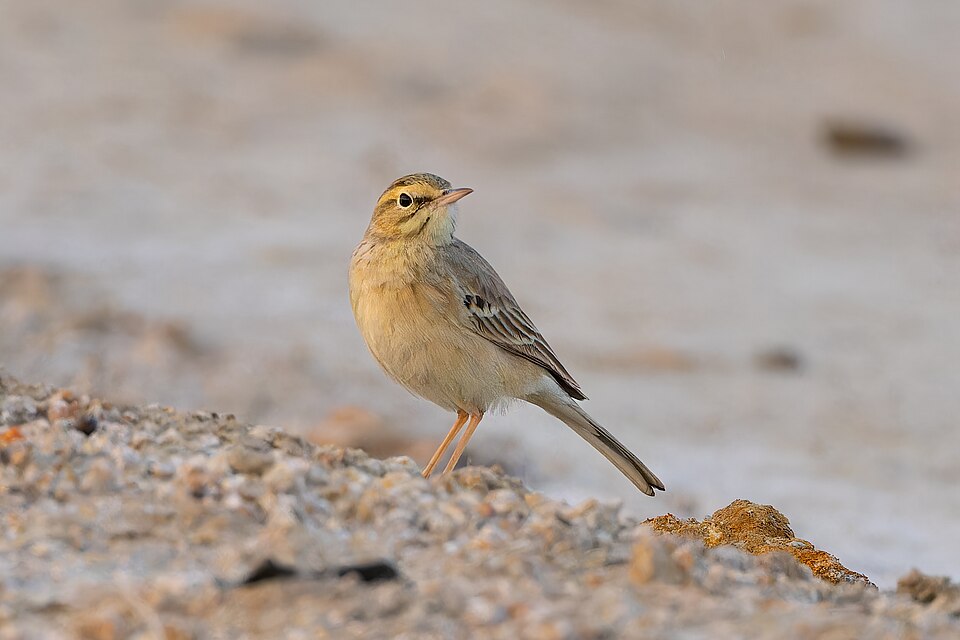 Calandro
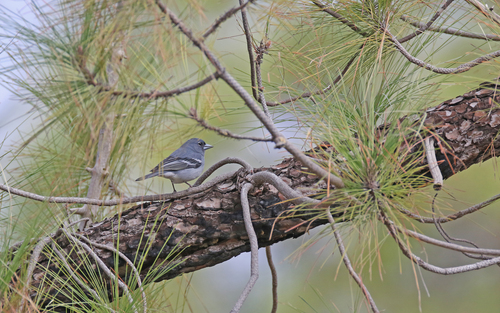 Gran Canaria Blue Chaffinch
In breve
Il segno di campo più affidabile per separare il Calandro dal Gran Canaria Blue Chaffinch è la presenza di due evidenti bande alari bianche sul chaffinch (tutte le età), che sono completamente assenti nel pipit. Il Calandro è un uccello marrone sabbia, povero di striature, con lunghe gambe e un aspetto semplice e senza bande alari, mentre il Gran Canaria Blue Chaffinch (maschio) mostra toni blu-grigi con bande alari bianche e un ventre più bianco, e la femmina è di un grigio-marrone opaco ma mostra comunque le bande alari. Strutturalmente, i pipit sono più snelli, con code e gambe più lunghe, e un becco più stretto, mentre il chaffinch è più robusto, con un becco simile a quello dei fringillidi. Il pipit è un migratore che cammina a terra in campi aperti, mentre il chaffinch è un fringillide sedentario che vive nelle foreste, limitato alle foreste di pini di Gran Canaria. Anche i richiami e i canti sono distintivi, con il pipit che emette un alto 'schip' e il chaffinch che ha vocalizzazioni tipiche dei fringillidi.
Consigli di identificazione
- Wingbars: Il Gran Canaria Blue Chaffinch di tutte le età e sessi mostra due evidenti bande alari bianche; il Calandro non mostra mai bande alari. Questo è il segno più affidabile in tutte le visuali.
- Bill shape: Il Calandro ha un becco lungo, stretto e appuntito (insettivoro), mentre il chaffinch ha un becco corto, robusto e conico (granivoro). La forma del becco è visibile di profilo o in visuali ravvicinate.
- Legs and posture: Il pipit ha lunghe gambe e spesso sta in posizione eretta o cammina a terra; il chaffinch ha gambe più corte e una postura di appollaiamento più orizzontale.
- Tail: Il pipit ha una coda più lunga e dritta, spesso scossa; la coda del chaffinch è più corta e meno prominente.
- Plumage tone: Il pipit è marrone sabbia sopra e chiaro sotto con poche striature; il maschio del chaffinch è blu-grigio con un ventre più bianco, la femmina è di un grigio-marrone opaco ma mostra comunque le bande alari.
- Flight style: Il pipit ha un volo forte e diretto con ali appuntite; il chaffinch ha un volo saltellante e ondulato tipico dei fringillidi, con ali arrotondate e bande alari visibili in volo.
- Habitat: Il pipit si trova in habitat aperti e asciutti (steppe, praterie); il chaffinch è strettamente nelle mature foreste di pini delle Isole Canarie a Gran Canaria.
- Range: Il chaffinch è endemico agli altopiani di Gran Canaria; il pipit è diffuso in tutta l'Eurasia e l'Africa, mai residente nelle foreste di pini delle Canarie.
- Voice: Il pipit emette un richiamo acuto 'schip' e un canto forte 'chir-ree'; i richiami del chaffinch sono più morbidi e musicali, tipici dei fringillidi.
- Sex differences: Il maschio del chaffinch è blu-grigio, la femmina è grigio-marrone; il pipit mostra poco dimorfismo sessuale—entrambi i sessi sono simili nel marrone sabbia.
- Juvenile/immature confusion: Anche i giovani chaffinch mantengono le bande alari; i giovani pipit sono semplici e privi di bande alari, quindi questo segno è sempre valido.
- Feeding behavior: Il pipit si nutre a terra, spesso visto correre o camminare; il chaffinch si nutre sugli alberi e a terra, ma raramente corre.
- Context: Se visto in un gruppo con altri fringillidi, probabilmente è un chaffinch; i pipit sono più solitari o in gruppi sciolti, raramente con fringillidi.
- Abundance: Il Gran Canaria Blue Chaffinch è estremamente raro e locale; il Calandro è diffuso e comune in habitat adatti.
- Pitfall: La femmina del chaffinch può sembrare opaca e marrone, ma controlla sempre le bande alari e la forma del becco per evitare confusione con il pipit.
Taglia
Il Calandro è leggermente più leggero (massa corporea ~22 g [wikidata]) rispetto al Gran Canaria Blue Chaffinch (maschi 27–29 g, femmine 26–28 g [wikipedia]), ma questa differenza è sottile sul campo. Il Calandro è più lungo e più snello, con una lunghezza di circa 16 cm e un'apertura alare di 25–28 cm [wikipedia], mentre il chaffinch è più compatto e robusto, tipico dei fringillidi. Le gambe e la coda più lunghe del pipit contribuiscono a una postura più allungata e verticale, mentre il chaffinch appare con una coda più corta e più rotonda.
Piumaggio
La caratteristica di piumaggio più diagnostica è la presenza delle due evidenti bande alari bianche del Gran Canaria Blue Chaffinch, visibili in entrambi i sessi e in tutte le età, che non sono mai presenti nel Calandro. I maschi del chaffinch sono blu-grigi con un ventre più bianco e meno blu rispetto alla specie correlata di Tenerife; le femmine sono di un grigio-marrone opaco ma mostrano comunque le bande alari. Il Calandro, indipendentemente dall'età, è marrone sabbia sopra e chiaro sotto, con striature minime e senza bande alari o forti contrasti. Entrambe le specie hanno parti inferiori chiare, ma quelle del pipit sono più uniformi e meno contrastanti. I piumaggi giovanili e immaturi non sono descritti in dettaglio per nessuna delle due specie, ma la presenza o assenza di bande alari è affidabile in tutte le età. In volo, le bande alari bianche del chaffinch e le ali più arrotondate contrastano con le ali semplici e non marcate del pipit e la sua forma più lunga e appuntita.
Comportamento
Il Calandro è un uccello che vive a terra, spesso visto camminare o correre su terreni aperti, con un volo forte e diretto. È migratorio, spostandosi per lunghe distanze tra i luoghi di nidificazione e quelli invernali. Il Gran Canaria Blue Chaffinch è una specie sedentaria, solitamente trovata nella chioma o a livelli medi delle foreste di pini, nutrendosi di semi e occasionalmente di insetti (soprattutto per i giovani). I suoi movimenti sono più saltellanti e svolazzanti, tipici dei fringillidi, e raramente cammina su terreni aperti. Il pipit è più propenso a decollare dal suolo e volare per una distanza, mentre il chaffinch tende a rimanere all'interno della copertura forestale.
Habitat
Il Calandro nidifica in habitat aperti e asciutti attraverso il Palearctico centrale e sverna in Africa tropicale e nel subcontinente indiano, preferendo praterie, steppe e campi aperti. Il Gran Canaria Blue Chaffinch è strettamente endemico delle foreste di pini delle Isole Canarie ad alta quota di Gran Canaria, specialmente in boschi maturi e densi a circa 1.000 m di altitudine. Non si trova mai al di fuori di queste foreste, rendendo l'habitat un indizio forte: qualsiasi uccello visto in steppe aperte o al di fuori delle foreste di pini di Gran Canaria non è un Gran Canaria Blue Chaffinch.
Voce
Il Calandro emette un richiamo acuto e acuto 'schip', più alto rispetto al Calandro maggiore, e un canto breve, forte e disillabico 'chir-ree chir-ree'. Il Gran Canaria Blue Chaffinch ha vocalizzazioni tipiche dei fringillidi, che non sono descritte in dettaglio qui ma ci si aspetta siano più morbide, più musicali e meno acute rispetto ai richiami del pipit. Il richiamo del pipit è diagnostico in campi aperti, mentre il canto del chaffinch è più probabile che venga udito nelle foreste di pini.
Calandro · Gran Canaria Blue Chaffinch · I miei uccelli difficili