

Sykes's Warbler vs Upcher's Warbler
Iduna rama contro Hippolais languida
Fai un quiz con Sykes's Warbler e Upcher's Warbler
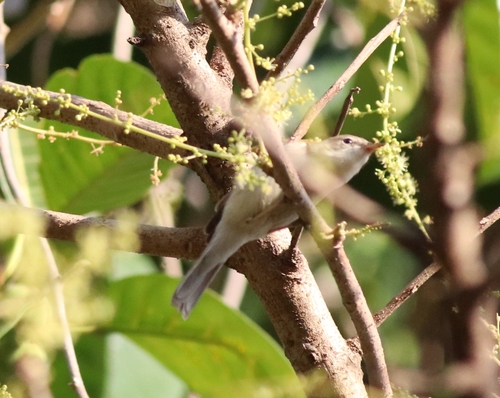 Sykes's Warbler
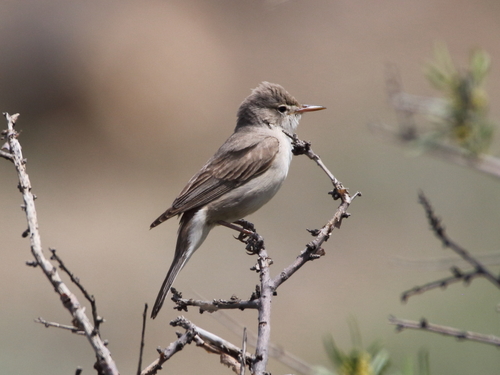 Upcher's Warbler
In breve
Il segno di campo più affidabile tra Sykes's Warbler e Upcher's Warbler è comportamentale: Upcher's Warbler muove frequentemente e apre la sua lunga coda, un tratto non mostrato da Sykes's. Strutturalmente, Upcher's ha una coda più lunga e un becco più lungo, con un tono complessivo più grigio, mentre Sykes's è più piccolo, più chiaro e più compatto. Entrambi possono apparire simili nel piumaggio, ma Sykes's è tipicamente più chiaro sotto con fianchi color crema e un breve supercilium pallido. Sul campo, concentrati sul movimento della coda, sulla struttura complessiva e sulle sottili differenze di colore per separare questi due.
Consigli di identificazione
- Il movimento della coda è diagnostico: Upcher's Warbler muove frequentemente, apre e sposta la sua lunga coda, spesso in modo simile a un chiacchierino. Sykes's Warbler non mostra questo comportamento. Se vedi un'azione regolare della coda, favorisci Upcher's.
- Lunghezza e forma della coda: Upcher's ha una coda visibilmente più lunga di Sykes's, che spesso appare più affusolata e appuntita quando è appollaiata o in volo. La coda di Sykes's è più corta e più squadrata.
- Struttura del becco: Upcher's ha un becco più lungo e leggermente più pesante rispetto al becco più corto, robusto e appuntito di Sykes's. Questo è sottile ma può essere visto in buone visioni.
- Aspetto generale: Upcher's appare più lungo, snello e più angolare a causa delle sue proporzioni, mentre Sykes's è più compatto e arrotondato.
- Colore del piumaggio: Sykes's è marrone chiaro sopra e biancastro sotto, con fianchi color crema e un breve supercilium pallido. Upcher's è grigio nel complesso, con meno contrasto e privo dei fianchi color crema.
- Supercilium: Sykes's mostra un breve supercilium pallido, che può essere un segno utile a distanza ravvicinata. Upcher's può avere un supercilium meno distintivo o assente.
- Bordi delle penne della coda: Sykes's ha bordi pallidi sulle penne esterne della coda, che possono essere visibili in buona luce o con la coda aperta; la coda di Upcher's è di colore più uniforme.
- Comportamento durante la ricerca di cibo: Upcher's è più attivo, spesso visto muoversi tra i cespugli con frequenti movimenti della coda. Sykes's è più tranquillo, si muove meno e si appollaia in silenzio.
- Confronto con Olivaceous Warbler: Entrambe le specie possono assomigliare al Canapino pallido orientale, ma Upcher's è il più grigio e con coda più lunga, mentre Sykes's è più chiaro e più compatto.
- Dimensioni nel contesto: Se viste con altre warbler, Upcher's si distinguerà come più grande e con coda più lunga, mentre Sykes's apparirà più piccolo e più delicato.
- Impressione in volo: Upcher's può apparire più allungato in volo a causa della sua coda e del suo becco più lunghi, mentre Sykes's appare più compatto.
- Sovrapposizione dell'habitat: Entrambi possono verificarsi in habitat cespugliosi simili, quindi non fare affidamento solo sull'habitat per l'identificazione.
- Vocalizzazione: Se conosci il canto distintivo di Upcher's, è un segno decisivo, ma non fare affidamento sul canto a meno che tu non sia molto familiare con le vocalizzazioni di entrambe le specie.
- Contesto stagionale: Entrambi sono migratori e possono verificarsi insieme in alcune regioni; utilizza segni strutturali e comportamentali piuttosto che il tempismo per separarli.
- Trappole: Fai attenzione a Upcher's pallido e usurato che appare più chiaro del solito, o a Sykes's che appare più grigio in scarsa luce. Dai sempre priorità al movimento della coda e alla struttura rispetto alle sottili differenze di colore.
Taglia
Upcher's Warbler è di dimensioni medie per un Hippolais, simile al Canapino maggiore, e notevolmente più grande di Sykes's Warbler. Upcher's ha anche una coda e un becco più lunghi e ali più corte rispetto al suo corpo. Sykes's Warbler è più piccolo e più compatto, con una coda proporzionalmente più corta e un becco robusto e appuntito, ma non lungo come quello di Upcher's. Queste differenze di dimensioni e proporzioni sono più evidenti quando entrambe le specie sono viste fianco a fianco o con warbler familiari per scala.
Piumaggio
Nessuna delle due specie ha un modello distintivo di ala superiore giovanile o immaturo notato nelle fonti, quindi ci si concentra sul piumaggio adulto e generale. Sykes's Warbler è marrone chiaro sopra e biancastro sotto, con fianchi color crema e un breve supercilium pallido. Le sue penne esterne della coda mostrano bordi pallidi, e l'impressione generale è pallida e leggermente sbiadita. Upcher's Warbler è generalmente più grigio, con meno contrasto tra le parti superiori e inferiori, e privo dei caldi fianchi color crema di Sykes's. Entrambi possono assomigliare al Canapino pallido orientale, ma Upcher's è il più grigio dei due, e Sykes's è più chiaro e più delicato nell'aspetto. In tutti i piumaggi, la coda più lunga di Upcher's e il tono più grigio sono utili, mentre Sykes's è più uniforme e pallido.
Comportamento
Upcher's Warbler è altamente attivo, muovendo frequentemente, aprendo e spostando la sua lunga coda in un modo che ricorda le warbler del genere Sylvia o i chiacchierini. Questa azione della coda è un segno comportamentale chiave e raramente, se mai, è mostrata da Sykes's Warbler. Sykes's tende ad essere più deliberato e meno animato, spesso appollaiandosi in silenzio e muovendosi meno in modo evidente. In volo, Upcher's può anche apparire più lungo e più snello a causa della sua coda e del suo becco.
Habitat
Entrambe le specie nidificano in regioni sovrapposte del Medio Oriente e dell'Asia Centrale, ma l'areale di Upcher's Warbler si estende ulteriormente a ovest in Turchia e a est fino al Pakistan, mentre Sykes's è più orientale, dall'Arabia nord-orientale alla Cina occidentale e all'Afghanistan. Entrambi preferiscono habitat cespugliosi e aperti, ma l'habitat da solo non è un separatore affidabile dove i loro areali si sovrappongono.
Voce
Upcher's Warbler ha un canto che è distintivo tra le warbler del genere Hippolais ed è completamente diverso da Olivaceous Warbler, ma le note non specificano come si confronti direttamente con Sykes's. Il canto di Sykes's non è descritto nelle fonti. Pertanto, la vocalizzazione non è un segno di campo primario per separare questi due a meno che l'osservatore non sia già familiare con il canto unico di Upcher's.
Sykes's Warbler · Upcher's Warbler · I miei uccelli difficili