

Sulphur-bearded Reedhaunter vs Olive Spinetail
Limnoctites sulphuriferus contro Cranioleuca obsoleta
Fai un quiz con Sulphur-bearded Reedhaunter e Olive Spinetail
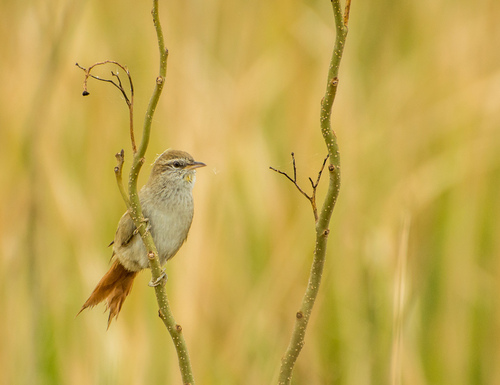 Sulphur-bearded Reedhaunter
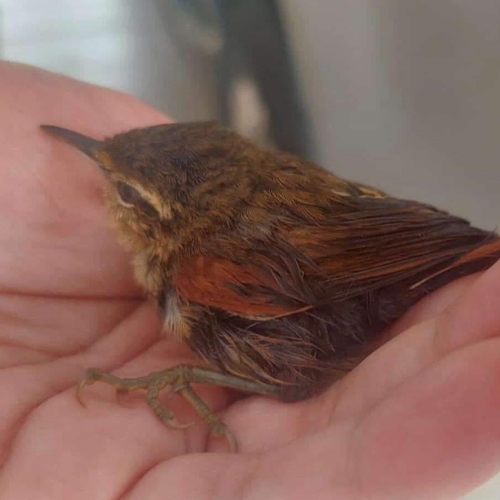 Olive Spinetail
In breve
Il segno di campo più affidabile tra Sulphur-bearded Reedhaunter e Olive Spinetail è la gola e il mento gialli distintivi del Reedhaunter, che non sono mai presenti nell'Olive Spinetail a qualsiasi età. Inoltre, il Reedhaunter ha un volto biancastro più fortemente striato e una coda più lunga e appuntita con le piume centrali che si estendono oltre le altre. Gli uccelli giovani sono particolarmente difficili, ma anche in quel caso, il Reedhaunter non ha striature sul petto e giallo sul mento, mentre i giovani Olive Spinetail possono mostrare una variabilità nella scalatura del petto. Entrambe le specie sono simili in dimensioni e struttura generale, ma un'attenta attenzione al colore della gola, al motivo del volto e alla forma della coda le separerà sul campo.
Consigli di identificazione
- Gola e mento gialli (adulti): Solo il Sulphur-bearded Reedhaunter mostra un mento e una gola gialli. L'Olive Spinetail ha sempre una gola biancastra. Questo è il segno più affidabile per gli adulti.
- Parte inferiore dei giovani: Il giovane Reedhaunter non ha giallo sul mento e ha parti inferiori ocra non striate, mentre il giovane Olive Spinetail può mostrare una scalatura variabile del petto. Se vedi un giovane con qualsiasi scalatura del petto, inclina verso l'Olive Spinetail.
- Motivo del volto: Il Reedhaunter ha un sopracciglio bianco giallastro e un volto biancastro striato di grigio, dando un aspetto più contrastante e striato. L'Olive Spinetail ha un sopracciglio biancastro ma una banda marrone opaca dietro l'occhio e copritrici auricolari striate, risultando in un volto meno contrastante.
- Struttura della coda: La coda del Reedhaunter è appuntita, con la coppia centrale di piume più lunga e marrone, e le piume esterne più rufous. La coda dell'Olive Spinetail è rufous castano in tutto, con tutte le piume appuntite (a causa della mancanza di barbette all'estremità) ma non con piume centrali allungate. In volo o quando è aperta, cerca l'estensione centrale della coda del Reedhaunter.
- Copritrici alari e piume di volo: Entrambe le specie hanno toni rufous o castano nelle copritrici alari, ma le primarie del Reedhaunter sono rufous con basi color ruggine ricche, mentre le piume di volo dell'Olive Spinetail sono marroni calde. Questo è sottile e meglio utilizzato in buona luce.
- Petto e pancia: Il Reedhaunter ha un petto biancastro con sottili striature grigie e una pancia biancastra, mentre l'Olive Spinetail è marrone ocra sul petto e oliva pallido sulla pancia, privo di forti striature.
- Fianchi e copritrici della coda: I fianchi e le copritrici della coda del Reedhaunter sono color ocra, in contrasto con la sua pancia più chiara. I fianchi e le copritrici della coda dell'Olive Spinetail sono leggermente più scuri della sua pancia ma non fortemente contrastanti.
- Colore del becco e delle gambe: Entrambi hanno una colorazione simile del becco e delle gambe, non utile per la separazione.
- Habitat: Se l'uccello si trova in un canneto o in una palude, è quasi certamente un Reedhaunter. Se si trova in una foresta o in un bosco, specialmente con Araucaria, è un Olive Spinetail.
- Comportamento: L'Olive Spinetail spesso cerca cibo in gruppi misti di specie e scala tronchi/rami nel sottobosco fino alla chioma. Il Reedhaunter è più probabile che si trovi basso nei canneti.
- Voce: Se senti un 'tzit-tzit-tzit' alto e esitante seguito da un breve trill, è un Olive Spinetail. La voce del Reedhaunter non è descritta qui, quindi l'assenza di questo canto non è diagnostica.
- Sovrapposizione geografica: Entrambe le specie si trovano in Argentina e Brasile, ma l'Olive Spinetail raggiunge anche il Paraguay, e il Reedhaunter si trova in Uruguay. Controlla le liste locali per la probabilità.
- Colore dell'iride: L'iride del Reedhaunter è rosso-biancastro a rosa-arancio; quella dell'Olive Spinetail è variabile. Questo è sottile e raramente visibile sul campo.
- Sessi: Entrambe le specie sono sessualmente monomorfiche, quindi il sesso non è un separatore.
- Stagione: Non sono state descritte forti differenze di piumaggio stagionali per nessuna delle due specie; tutti i segni sopra si applicano tutto l'anno.
Taglia
Entrambe le specie sono quasi identiche in massa (circa 13 g) e rientrano in un intervallo di lunghezza simile (Sulphur-bearded Reedhaunter 15–16 cm, Olive Spinetail 12.5–15 cm). Il Reedhaunter è in media leggermente più lungo, ma questa differenza è sottile e non affidabile sul campo. La dimensione e la forma del becco non sono evidenziate come distintive tra i due. In generale, la dimensione non è una caratteristica di separazione forte.
Piumaggio
- Giovani: I giovani Sulphur-bearded Reedhaunter hanno parti superiori più scure e parti inferiori più ocra rispetto agli adulti, senza giallo sul mento e senza striature sul petto. I giovani Olive Spinetail hanno parti superiori più scure rispetto agli adulti e possono mostrare una scalatura variabile (non striature) sul petto. Entrambi mancano della gola gialla dell'adulto Reedhaunter, ma solo il giovane Reedhaunter è non striato sotto.
- Adulti: Il Reedhaunter mostra un mento e una gola gialli, un sopracciglio bianco giallastro, un volto biancastro striato di grigio, parti superiori marrone oliva e una coda con piume centrali più lunghe e appuntite e piume esterne più rufous. Gli adulti Olive Spinetail hanno un sopracciglio biancastro, una banda marrone opaca dietro l'occhio, copritrici auricolari striate di ocra e marrone, un malar uniforme ocra, una corona oliva marrone opaca, un dorso/rump marrone più ricco e una coda uniformemente rufous castano e appuntita. Il petto del Reedhaunter è biancastro con sottili striature grigie, mentre quello dell'Olive Spinetail è marrone ocra senza forti striature. Le parti inferiori del Reedhaunter sono più chiare, con fianchi e copritrici della coda color ocra, rispetto alla pancia oliva pallida e ai fianchi più scuri dell'Olive Spinetail.
Comportamento
Entrambe le specie sono tipicamente viste in coppie e sono cercatori attivi. L'Olive Spinetail è noto per unirsi a gruppi misti di specie e cercare cibo in modo acrobatico nel sottobosco fino alla chioma, spesso arrampicandosi lungo tronchi e rami. Il comportamento di foraggiamento del Reedhaunter è meno dettagliato, ma è associato a canneti e vegetazione paludosa, spesso visto basso in copertura densa. In volo, entrambe possono apparire con la coda appuntita, ma la coda del Reedhaunter ha un'estensione centrale più pronunciata.
Habitat
Il Sulphur-bearded Reedhaunter è ristretto a paludi e canneti in Argentina, Brasile e Uruguay, sempre strettamente legato a vegetazione emergente densa vicino all'acqua o al terreno umido. L'Olive Spinetail, al contrario, si trova in foreste umide e boschi (spesso con Araucaria) dal sud del Brasile attraverso il Paraguay fino al nord-est dell'Argentina, e non è associato a paludi. Pertanto, il contesto dell'habitat è un forte indizio: un spinetail in un canneto è quasi certamente un Reedhaunter, mentre uno in foresta o bosco è un Olive Spinetail.
Voce
L'Olive Spinetail ha un canto descritto: una breve serie alta ed esitante seguita da un breve trill, e richiami che includono un 'tst' e un trill morbido e affrettato. Non sono forniti dettagli di vocalizzazione per il Sulphur-bearded Reedhaunter, quindi la voce non è un separatore affidabile a meno che non si senta il canto dell'Olive Spinetail.
Sulphur-bearded Reedhaunter · Olive Spinetail · I miei uccelli difficili