

Steller's Sea-Eagle vs Bald Eagle
Haliaeetus pelagicus contro Haliaeetus leucocephalus
Fai un quiz con Steller's Sea-Eagle e Bald Eagle
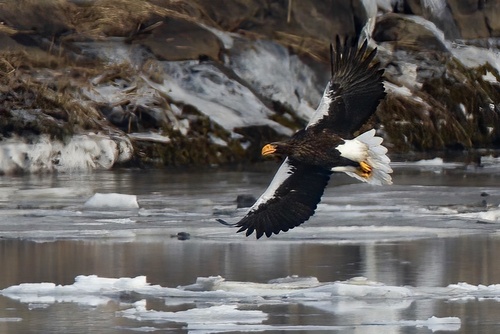 Steller's Sea-Eagle
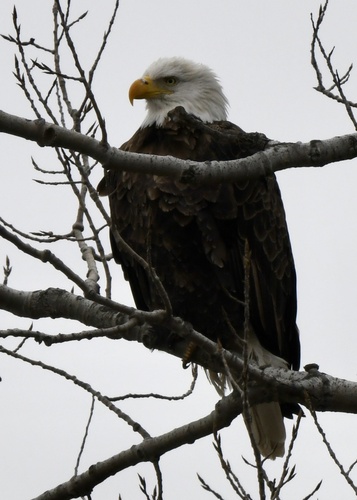 Bald Eagle
In breve
Il segno distintivo più affidabile per separare il Steller's Sea-Eagle dal Bald Eagle è il bianco audace e contrastante sulle ali, sulla coda e sulle cosce del Steller's adulto, rispetto alla testa e alla coda bianche pulite (con corpo e ali altrimenti scuri) del Bald Eagle adulto. Per gli immaturi, il Steller's Sea-Eagle è più massiccio con un becco molto più massiccio, una coda bianca più lunga e a forma di diamante con macchie scure, e un piumaggio del corpo complessivamente più scuro e uniforme, mentre i Bald Eagles immaturi mostrano striature bianche disordinate e mancano delle macchie bianche a contrasto netto sulle ali e sulla coda. In volo, il Steller's Sea-Eagle mostra ali a forma di pala e una coda più lunga e a forma di diamante, mentre il Bald Eagle ha ali più larghe e quadrate e una coda più corta e a forma di cuneo. La struttura e la dimensione del becco sono cruciali per visualizzazioni a distanza o in scarsa illuminazione, specialmente per i giovani uccelli.
Consigli di identificazione
- Pattern delle ali e della coda degli adulti: L'adulto Steller's Sea-Eagle mostra macchie bianche audaci sulle coperture superiori minori e mediane, sulle coperture inferiori delle ali, sulle cosce e una lunga coda bianca a forma di diamante. L'adulto Bald Eagle ha una testa e una coda bianche pulite, ma le ali e il corpo sono uniformemente marroni scuri senza macchie bianche.
- Piumaggio immaturo: Il Steller's Sea-Eagle immaturo è complessivamente di un marrone scuro fuligginoso con occasionali striature grigio-marroni sulla testa e sul collo, e una coda bianca con macchie nere all'estremità. Il Bald Eagle immaturo è marrone scuro con striature bianche disordinate in tutto il corpo e le ali, e la testa e la coda diventano gradualmente bianche nel corso di diversi anni.
- Dimensione e colore del becco: Il Steller's Sea-Eagle di tutte le età ha un becco molto più massiccio e profondo rispetto al Bald Eagle. Negli adulti, il becco è di un giallo brillante; negli immaturi, è marrone scuro ma comunque enorme. Il becco del Bald Eagle è grande ma meno profondo e variabile in dimensione, specialmente negli uccelli meridionali.
- Forma della coda: Il Steller's Sea-Eagle ha una coda più lunga e a forma di diamante, particolarmente evidente in volo. La coda del Bald Eagle è più corta e a forma di cuneo.
- Forma dell'ala in volo: Il Steller's Sea-Eagle ha ali a forma di pala, apparendo più larghe e più arrotondate alle punte. Le ali del Bald Eagle sono larghe ma più quadrate, e il profilo di volo è meno simile a una pala.
- Massa corporea: Il Steller's Sea-Eagle è più pesante e massiccio, con un aspetto a petto a botte, specialmente quando è posato. Il Bald Eagle è comunque grande ma meno massiccio nel complesso.
- Colore delle gambe e delle cosce: L'adulto Steller's mostra cosce bianche, in contrasto con il corpo scuro. Le cosce del Bald Eagle sono scure, fondendosi con il resto del corpo.
- Colore della testa e del collo: L'adulto Bald Eagle ha una testa e un collo bianchi sorprendenti, in netto contrasto con il corpo scuro. La testa del Steller's Sea-Eagle è scura tranne che per il becco e gli occhi gialli.
- Colore degli occhi: L'adulto Steller's ha occhi gialli; gli immaturi hanno occhi marroni scuri. Anche gli adulti del Bald Eagle hanno occhi gialli, ma gli immaturi hanno occhi più scuri.
- Colore dei piedi: Entrambe le specie hanno piedi gialli da adulti, ma il Steller's è più vivace; gli immaturi del Steller's hanno gambe biancastre.
- Progressione del piumaggio: Entrambe le specie impiegano 4–5 anni per raggiungere il piumaggio adulto, ma il Steller's passa da un colore scuro uniforme a un piumaggio pezzato, mentre il Bald Eagle passa da un piumaggio marrone e bianco striato al classico bianco della testa e della coda.
- Contesto geografico: In Nord America, qualsiasi aquila con ampie macchie bianche sulle ali o sulle cosce è quasi certamente un Bald Eagle. In Asia, entrambe le specie possono verificarsi insieme, quindi le differenze strutturali e di piumaggio sono più importanti.
- Jizz e stile di volo: Il Steller's appare più ponderoso e pesante in volo, con battiti d'ala più lenti e profondi. Il Bald Eagle è leggermente più agile e meno pesante.
- Rara forma scura: Una forma scura molto rara del Steller's manca di bianco tranne che sulla coda, ma è comunque più massiccia e ha il becco massiccio e la coda a forma di diamante; la confusione con il Bald Eagle è possibile solo a grande distanza o in scarsa luce.
- Trappole negli uccelli immaturi: A distanza, il Steller's immaturo può essere confuso con il Bald Eagle immaturo, ma cerca il corpo più uniforme e scuro, il becco più grande e il pattern della coda (bianca con macchie nere) nel Steller's, rispetto alle striature bianche disordinate e alla mancanza di un forte contrasto della coda nel Bald Eagle.
Taglia
Il Steller's Sea-Eagle è significativamente più pesante e massiccio del Bald Eagle, con una massa corporea media di circa 6675 g rispetto ai 4740 g del Bald Eagle [wikidata]. Questa differenza di dimensioni è più evidente quando le due specie sono viste insieme, ma può comunque essere apprezzata sul campo grazie alla costruzione più imponente e a petto a botte del Steller's e soprattutto al suo enorme becco profondo. Entrambe le specie sono tra le aquile più grandi, ma il Steller's è complessivamente più pesante e robusto.
Piumaggio
Per gli adulti, il Steller's Sea-Eagle è inconfondibile: ha un piumaggio per lo più marrone scuro a nero con un bianco a contrasto netto sulle coperture superiori minori e mediane, sulle coperture inferiori delle ali, sulle cosce, sulle coperture inferiori della coda e una lunga coda bianca a forma di diamante. Il becco, gli occhi e i piedi sono di un giallo brillante. Gli adulti del Bald Eagle, al contrario, hanno un corpo e ali marroni scuri, ma una testa e una coda bianche pulite, senza bianco sulle ali o sulle cosce, e la coda è più corta e a forma di cuneo.
Per gli immaturi e i subadulti, il Steller's Sea-Eagle è complessivamente più scuro e uniforme, con un corpo marrone fuligginoso, occasionali striature grigio-marroni sulla testa e sul collo, e una coda bianca con macchie nere all'estremità. Il becco è già grande e scuro negli uccelli giovani, e le gambe sono biancastre. Man mano che l'uccello matura, la coda diventa più bianca e il becco e gli occhi schiariscono. Al contrario, gli immaturi del Bald Eagle sono marroni scuri con ampie striature bianche disordinate in tutto il corpo e le ali, e la testa e la coda diventano gradualmente bianche nel corso di diversi anni. L'immaturo Bald Eagle non mostra mai le macchie bianche ben definite delle ali o la lunga coda a forma di diamante del Steller's. Entrambe le specie impiegano circa 4–5 anni per raggiungere il piumaggio adulto completo, ma le fasi intermedie sono più striate e macchiate nel Bald Eagle, e più uniformi e scure nel Steller's.
Comportamento
Entrambe le specie sono grandi e potenti aquile piscivore, spesso viste planare o posate vicino all'acqua. Il Steller's Sea-Eagle può apparire ancora più ponderoso e pesante in volo, con battiti d'ala più lenti e profondi e un jizz più pesante a causa della sua massa e delle ali a forma di pala. Anche i Bald Eagles sono potenti ma possono apparire leggermente più agili e meno massicci. Entrambe le specie possono essere aggressive su carcasse o quando difendono il territorio, ma il Steller's Sea-Eagle è generalmente più dominante dove si sovrappongono.
Habitat
Il Steller's Sea-Eagle è nativo dell'Asia nord-orientale, specialmente della Russia costiera, del Mare di Ochotsk e della Penisola di Kamchatka, dove predilige grandi fiumi, estuari e habitat costieri. Il Bald Eagle si trova in tutta Nord America, dall'Alaska e dal Canada al nord del Messico, e occupa una nicchia ecologica simile vicino a grandi corpi d'acqua, laghi e fiumi. In Nord America, qualsiasi aquila con ampie macchie bianche sulle ali o sulle cosce è altamente improbabile che sia un Bald Eagle. Nel raro evento di un Steller's vagante in Nord America, è possibile una sovrapposizione degli habitat, ma il contesto e l'areale devono sempre essere considerati.