

Stejneger's Scoter vs American Bittern
Melanitta stejnegeri contro Botaurus lentiginosus
Fai un quiz con Stejneger's Scoter e American Bittern
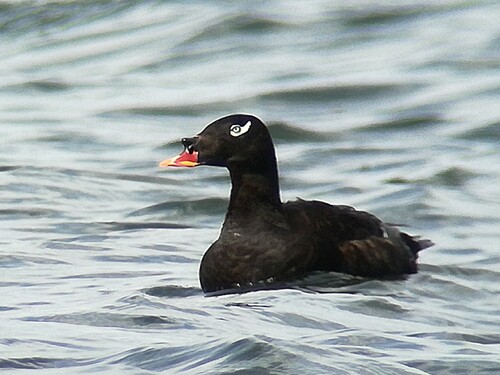 Stejneger's Scoter
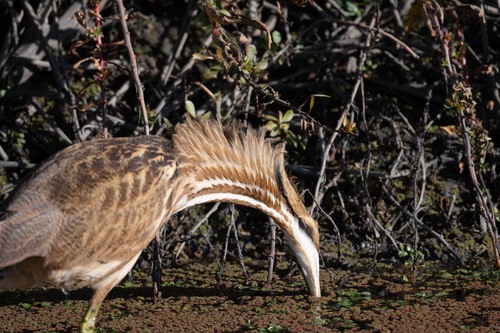 American Bittern
In breve
Il modo più affidabile per separare Stejneger's Scoter da American Bittern è attraverso la struttura generale e il contesto: Stejneger's Scoter è un'anatra di mare robusta con un profilo distintivo a 'naso romano' inclinato e un alto pomello del becco, mentre American Bittern è un eron marsh criptico e striato con un collo lungo e un becco a forma di pugnale. In volo o sull'acqua, Stejneger's Scoter mostra proporzioni classiche di anatra e un piumaggio scuro e uniforme, mentre American Bittern è più allungato, con ali larghe e arrotondate e striature audaci sotto. I maschi di Stejneger's Scoter, sia giovani che adulti, possono essere confusi con altre scoter, ma mai con un bittern in nessun piumaggio o età. L'habitat è un forte indizio: le scoter si trovano in acque aperte, i bittern in paludi dense. Se vedi un uccello in piedi, che si mimetizza tra le canne, o senti un richiamo rimbombante, è un bittern; se sta tuffandosi o galleggiando in un gruppo in mare, è una scoter.
Consigli di identificazione
- Forma della testa e del becco: Stejneger's Scoter ha un profilo lungo e inclinato a 'naso romano' con un alto pomello del becco arancione-giallo (maschio adulto); American Bittern ha un lungo becco dritto a forma di pugnale e una fronte piatta. Il becco della scoter è largo e alto alla base, mentre quello del bittern è stretto e appuntito.
- Schema del piumaggio: La scoter è uniformemente scura (maschi neri, femmine e immaturi marrone scuro), mai striata o maculata; il bittern è audacemente striato e maculato di marrone, buff e nero, specialmente sulle parti inferiori e sul collo.
- Schema delle ali in volo: Stejneger's Scoter (tutte le età) mostra ali scure e semplici senza marcature audaci; le ali di American Bittern sono marrone scuro con punte buff o castagne, ma l'impressione generale è comunque molto più chiara e più patternizzata di qualsiasi scoter.
- Lunghezza del collo: Il bittern ha un collo lungo e flessibile che estende o ritrae; il collo della scoter è corto e spesso, tipico delle anatre tuffatrici.
- Forma del corpo: La scoter è compatta, con un petto largo, e si trova bassa sull'acqua; il bittern è allungato, con un corpo stretto e lunghe gambe, spesso visto in piedi o strisciando tra le canne.
- Gambe e piedi: Il bittern ha lunghe gambe giallo-verdi adattate per il wading; le gambe della scoter sono corte e posizionate molto indietro per il tuffo, raramente visibili quando nuotano.
- Comportamento: La scoter è gregaria, spesso in gruppi compatti in acque aperte, tuffandosi e riemergendo insieme; il bittern è solitario, si nasconde nelle paludi e raramente viene visto in volo se non quando viene disturbato.
- Habitat: La scoter si trova in acque aperte (laghi, mare); il bittern in paludi dense con vegetazione alta. Non aspettarti mai una scoter in un canneto o un bittern in acque aperte.
- Postura: Il bittern spesso adotta una posa di 'congelamento' con il becco puntato verso l'alto per mimetizzarsi tra le canne; la scoter non fa mai questo, è sempre orizzontale sull'acqua.
- Vocalizzazione: Il bittern emette un forte richiamo rimbombante al crepuscolo o di notte; la scoter è silenziosa o emette solo richiami morbidi e indistinti nei luoghi di nidificazione.
- Stile di volo: Il bittern vola con battiti d'ali lenti e profondi, collo ritratto e gambe penzolanti; la scoter vola veloce e diretta, con battiti d'ali rapidi, spesso in gruppi.
- Colore del becco: Il maschio adulto di Stejneger's Scoter ha un becco arancione-giallo molto evidente con un alto pomello; il becco del bittern è giallo-verde, mai con un pomello.
- Schema facciale: Il bittern mostra un supercilium buff e una striscia mustacchiale; il viso della scoter è semplice, senza strisce chiare.
- Trappole di sesso/età: Nessuna età o sesso di entrambe le specie è probabile che venga confuso con l'altro; anche le scoter juvenile sono semplici e scure, mentre i bittern juvenile sono striati e patternizzati come gli adulti.
- Contesto: Se vedi un uccello tuffarsi, raggrupparsi o galleggiare in acque aperte, è una scoter; se sta strisciando tra le canne, in piedi immobile, o rimbombando al crepuscolo, è un bittern.
Taglia
American Bittern è un grande eron, che misura 58–85 cm di lunghezza con un'apertura alare di 92–115 cm e una massa di 370–1,072 g [wikipedia]. Stejneger's Scoter è un grande anatra di mare, ma è ancora più piccola e molto più compatta di un bittern: ha un collo più corto, gambe più corte e un corpo più robusto. Sul campo, il bittern appare snello e allungato, specialmente quando il collo è esteso, mentre la scoter è con un petto largo e si trova bassa sull'acqua. Le ali del bittern sono più larghe e più arrotondate in volo rispetto alle lunghe ali appuntite della scoter.
Piumaggio
Non c'è sovrapposizione nel pattern delle ali o nei segni specifici per età tra queste specie. Stejneger's Scoter (tutte le età) è scura nel complesso, con i maschi che mostrano un corpo per lo più nero e un alto pomello del becco arancione-giallo. Le femmine e gli immaturi sono anch'essi scuri ma privi del becco brillante. In volo, le scoter mostrano ali scure uniformi senza pattern audaci. American Bittern, adulto e juvenile, è pesantemente striato sotto con marrone, buff e nero, e ha un complesso schema di parti superiori maculate. Le sue ali sono marrone scuro con punte buff o castagne, e le sue parti inferiori sono audacemente striate, mai semplici. La colorazione criptica del bittern è progettata per il camuffamento tra le canne, mentre quella della scoter è per le acque aperte. Nessuna età o sesso di entrambe le specie potrebbe essere confuso solo in base al piumaggio.
Comportamento
Stejneger's Scoter è un tuffatore gregario, spesso visto in gruppi compatti in acque aperte, tuffandosi per cibo e decollando insieme. Raramente si posa ed è quasi mai visto a terra se non durante la nidificazione. American Bittern è solitario e segreto, in agguato per la preda nelle paludi o in piedi immobile con il becco puntato in alto, mimetizzandosi nella vegetazione. Quando viene disturbato, i bittern volano bassi e tornano rapidamente nel riparo; le scoter decollano in gruppi e volano forte sopra l'acqua. I bittern sono per lo più notturni e crepuscolari, mentre le scoter sono attive durante il giorno.
Habitat
Stejneger's Scoter si trova in grandi laghi, fiumi e acque costiere, specialmente nel lontano nord dell'Asia e occasionalmente in Alaska occidentale [wikipedia]. Non si trova mai in paludi dense o canneti. American Bittern nidifica e sverna in paludi d'acqua dolce e salmastra con vegetazione emergente alta (giunchi, canne) in tutta Nord America. Non si trova mai in acque aperte o in gruppi. Se l'uccello è in una palude o in un canneto, è un bittern; se è in acque aperte, è una scoter.
Voce
American Bittern ha un richiamo profondo e rimbombante distintivo descritto come 'oong, kach, oonk,' spesso udito al crepuscolo o di notte e paragonato a una pompa congestionata [wikipedia]. Stejneger's Scoter è generalmente silenziosa, specialmente al di fuori della stagione di nidificazione, e non emette alcun suono remotamente simile al richiamo di un bittern. Se senti un richiamo rimbombante o di pompaggio, è un bittern.
Stejneger's Scoter · American Bittern · I miei uccelli difficili