

Stark's Lark vs Botha's Lark
Spizocorys starki contro Spizocorys fringillaris
Fai un quiz con Stark's Lark e Botha's Lark
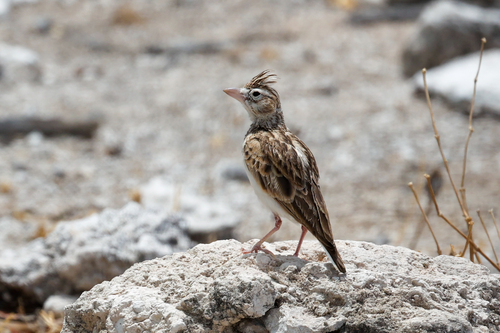 Stark's Lark
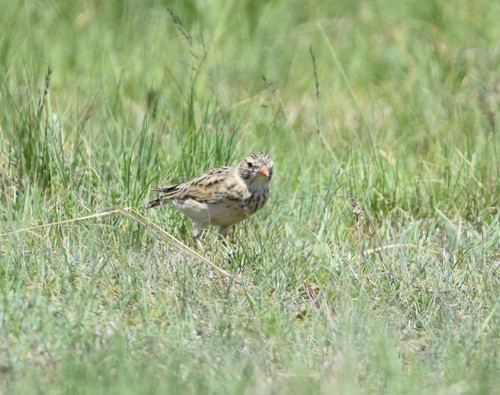 Botha's Lark
In breve
Il modo più affidabile per separare Stark's Lark da Botha's Lark è attraverso il modello del viso e il colore del becco: Botha's Lark mostra un viso audace e ben definito e un becco conico di un rosa distintivo, mentre Stark's Lark ha un viso più chiaro e con striature più sottili e un becco pallido e leggermente gonfio. Stark's Lark è complessivamente più chiaro e sabbioso con una cresta striata sollevata, mentre Botha's Lark è compatto, con parti superiori grigio-marroni e un petto striato di color crema. Entrambe le specie possono essere trovate in Sudafrica, ma Botha's Lark è molto più rara e limitata a specifiche praterie. Cerca la combinazione di modello del viso, colore del becco e striature sul petto per fare un'identificazione sicura.
Consigli di identificazione
- Modello del Viso: Botha's Lark ha un viso audace e ben definito, mentre il viso di Stark's Lark è più chiaro e con striature più sottili. Questo è spesso il controllo più rapido sul campo.
- Colore e Forma del Becco: Botha's Lark mostra un becco conico di un rosa distintivo; il becco di Stark's Lark è pallido, robusto e appare leggermente gonfio. Il colore del becco è particolarmente utile in buona luce.
- Cresta: Stark's Lark solleva spesso una cresta striata, specialmente quando è allerta o in calore. Botha's Lark non mostra una cresta così pronunciata.
- Striature sul Petto e sui Fianchi: Botha's Lark ha un petto striato di color crema e striature diffuse sui fianchi. Stark's Lark è molto più chiara sotto, con solo deboli striature e fianchi più puliti.
- Colore delle Parti Superiori: Stark's Lark è marrone sabbioso sopra con striature sottili; Botha's Lark è grigio-marrone e più contrastante.
- Sopracciglio: Stark's Lark ha una sopracciglia pallida distintiva, che può risaltare sul campo; la sopracciglia di Botha's Lark è meno enfatizzata rispetto al suo audace modello del viso.
- Contrasto Complessivo: Botha's Lark è più contrastante e decorata; Stark's Lark è più chiara e più sbiadita.
- Struttura e Aspetto: Botha's Lark è compatta e tozza; Stark's Lark è di dimensioni medie-piccole ma può apparire più lunga e meno compatta. La forma del becco contribuisce a questa impressione.
- Habitat: Se ti trovi in praterie aride e ghiaiose, specialmente al di fuori del Sudafrica, è più probabile che tu incontri Stark's Lark. Botha's Lark è limitata a praterie specifiche, spesso protette, in Sudafrica.
- Comportamento di Flocking: Grandi stormi, specialmente dopo la pioggia, suggeriscono Stark's Lark. Botha's Lark è raramente vista in grandi gruppi.
- Volo di Display: Acrobazie aeree con trilli e fischi vari indicano Stark's Lark; Botha's Lark non mostra questo comportamento.
- Vocalizzazioni: Canti di display complessi e musicali indicano Stark's Lark; richiami brevi e semplici suggeriscono Botha's Lark, ma usali con cautela a meno che tu non abbia una visione chiara.
- Contesto di Conservazione: Botha's Lark è in pericolo critico e estremamente rara; se ti trovi al di fuori di un sito noto di Botha's Lark, le probabilità favoriscono Stark's Lark.
- Uccelli Giovanili/Immaturi: Non sono descritti modelli di volo o di ali specifici per età per nessuna delle due specie, quindi fai affidamento su viso, becco e striature sul petto a tutte le età.
- Insidie: Fai attenzione alla luce pallida o al piumaggio usurato che rende Stark's Lark ancora più chiara, o a Botha's Lark che appare meno contrastante in scarsa luce. Controlla sempre più caratteristiche.
Taglia
Stark's Lark (massa corporea ~18.6g [wikidata]) è un'allodola pallida di dimensioni medie-piccole, mentre Botha's Lark è descritta come piccola e compatta. Il confronto diretto delle dimensioni sul campo è difficile, ma Botha's Lark può apparire leggermente più compatta e tozza, specialmente quando è posata. Il becco di Stark's Lark è descritto come robusto e leggermente gonfio, mentre quello di Botha's è più conico e rosa. Complessivamente, la dimensione non è il separatore più affidabile, ma la struttura e la forma del becco possono aiutare quando sono ben visibili.
Piumaggio
Non sono descritte differenze di modelli di ali o di volo specifici per età per queste specie nelle fonti disponibili, quindi ci si concentra sul piumaggio in posizione. Stark's Lark è di un marrone sabbioso pallido sopra con striature sottili e una sopracciglia pallida distintiva, un ventre biancastro e leggermente striato, e una cresta striata sollevata. Botha's Lark è più contrastante: grigio-marrone sopra, con un viso audacemente marcato, un petto striato di color crema e striature diffuse sui fianchi. Le parti inferiori di Botha's Lark sono chiare ma il petto è notevolmente striato di color crema, mentre Stark's Lark è più pulita e più chiara sotto. Il modello del viso è molto più forte in Botha's Lark, e il becco è rosa e conico, rispetto al becco più pallido e robusto di Stark's Lark. In sintesi: Botha's Lark è più contrastante e audacemente marcata; Stark's Lark è più chiara e con striature più sottili.
Comportamento
Stark's Lark è altamente mobile e nomade, formando spesso stormi dopo la pioggia e a volte mescolandosi con allodole o bunting. È adattata a praterie aride, cercando ombra e adottando una postura caratteristica (cresta sollevata, bocca aperta, ali abbassate) in caso di calore. Durante il corteggiamento, esegue acrobazie aeree con trilli, fischi e cinguettii vari. Il comportamento di Botha's Lark è meno descritto, ma non è nota per un comportamento di stormo o voli di display così pronunciati. Botha's Lark è più localizzata e meno probabile da incontrare in grandi gruppi.
Habitat
Stark's Lark preferisce praterie aride con substrati ghiaiosi, evitando aree sabbiose, ed è trovata in Angola, Botswana, Namibia e Sudafrica. Botha's Lark è endemica del Sudafrica e limitata a specifiche praterie, rendendola molto più rara e localizzata. Se ti trovi in una tipica prateria arida e ghiaiosa, specialmente al di fuori del Sudafrica, è molto più probabile incontrare Stark's Lark. Botha's Lark è in pericolo critico e si trova principalmente in aree di prateria protette o gestite in Sudafrica.
Voce
Stark's Lark ha un canto di display di corteggiamento variegato con trilli, fischi e cinguettii, specialmente durante i display aerei. Botha's Lark emette un richiamo breve e semplice che può essere udito sia in volo che a terra. Se senti un display complesso e musicale, è più probabile che sia Stark's Lark; un richiamo breve e semplice suggerisce Botha's Lark. Tuttavia, le vocalizzazioni non sono il separatore più affidabile a meno che non venga osservato il display.