

Square-tailed Drongo-Cuckoo vs Ashy Drongo
Surniculus lugubris contro Dicrurus leucophaeus
Fai un quiz con Square-tailed Drongo-Cuckoo e Ashy Drongo
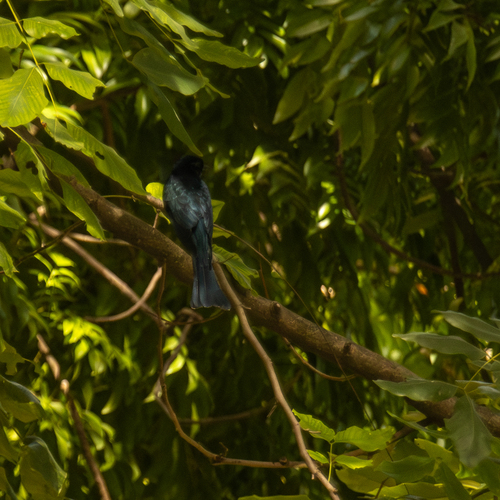 Square-tailed Drongo-Cuckoo
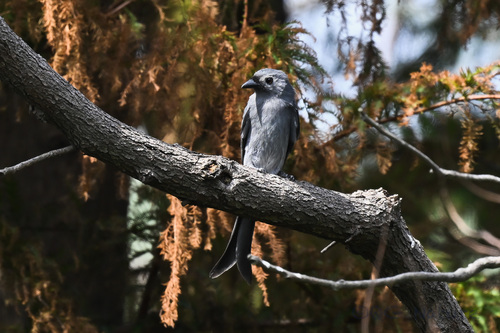 Ashy Drongo
In breve
Il segno di campo più affidabile per separare il Square-tailed Drongo-Cuckoo dall'Ashy Drongo è la forma della coda: il drongo-cuckoo ha una coda a punta quadrata o solo leggermente intagliata con punte svasate, mentre l'ashy drongo mostra sempre una coda lunga e profondamente biforcuta. In volo, il drongo-cuckoo rivela una striscia bianca sulle ali dal basso e una barratura bianca sul ventre e sulla parte esterna della coda, che l'ashy drongo non ha. Strutturalmente, il drongo-cuckoo ha un becco ricurvo verso il basso e un aspetto più compatto, simile a un cuculo, mentre l'ashy drongo è più snello, con una coda più lunga e si posiziona molto eretto. Entrambi possono apparire scuri e simili a drongos, ma prestando attenzione alla forma della coda e al motivo delle ali inferiori si risolverà la maggior parte della confusione, specialmente con gli uccelli immaturi.
Consigli di identificazione
- La forma della coda è il segno più decisivo: Il Square-tailed Drongo-Cuckoo ha sempre una coda a punta quadrata o solo leggermente intagliata con punte svasate; l'Ashy Drongo ha sempre una coda lunga e profondamente biforcuta. Questo è affidabile in tutte le età e stagioni.
- Striscia bianca sulle ali in volo: Solo il drongo-cuckoo mostra una striscia bianca sulle ali dal basso in volo. Se vedi questo segno, specialmente in un uccello con una coda quadrata, non è un ash drongo.
- Barratura bianca sul ventre e sulla parte esterna della coda: Il drongo-cuckoo ha una barratura bianca qui, visibile quando è posato o in volo. L'ash drongo non mostra mai questo motivo; la sua parte inferiore della coda è semplice.
- Forma del becco: Il drongo-cuckoo ha un becco ricurvo verso il basso, mentre il becco dell'ash drongo è dritto e tipico dei drongos. Questo è sottile ma visibile a distanza ravvicinata.
- Colore del corpo e lucentezza: Il drongo-cuckoo è di un nero lucido; l'ash drongo è grigio scuro (a volte molto scuro in alcune sottospecie ma privo della stessa lucentezza). Gli ash drongos juvenili sono di un grigio-bruno opaco, mai lucidi.
- Segni sulla testa: Alcune sottospecie di ash drongo (ad es., leucogenis, salangensis) hanno macchie bianche sulla testa o attorno all'occhio. Il drongo-cuckoo non mostra mai bianco sulla testa.
- Postura di posizionamento: L'ash drongo si posiziona molto eretto e spesso in alto e in modo esposto; il drongo-cuckoo ha una postura più orizzontale, simile a un cuculo, ed è meno probabile che si posi in modo prominente.
- Aspetto in volo: L'ash drongo appare con una coda più lunga e più galleggiante in volo a causa della sua profonda biforcazione della coda. Il drongo-cuckoo appare più compatto e meno allungato.
- Vocalizzazioni: Il drongo-cuckoo emette fischi acuti, ascendenti e spezzati; i richiami dell'ash drongo sono nasali, con un tono metallico e spesso imitano altri uccelli. Se senti imitazioni o un richiamo 'gip-gip-drangh', sospetta l'ash drongo.
- Contesto dell'habitat: Entrambi possono verificarsi in foreste simili, ma l'ash drongo è più probabile che venga visto in alto e in modo esposto, mentre il drongo-cuckoo può essere più vicino al suolo o in copertura più densa, specialmente vicino a gruppi di babbler.
- Confusione giovanile: I giovani ash drongos sono di un grigio-bruno opaco ma hanno ancora una coda profondamente biforcuta e mancano di barratura bianca o striscia sulle ali. Il drongo-cuckoo giovanile assomiglia agli adulti nei segni chiave.
- Colore dell'iride: L'ash drongo ha un'iride cremisi (negli adulti); questo non è notato per il drongo-cuckoo e può essere difficile da vedere sul campo.
- Nessuna macchia rictale bianca: L'ash drongo manca della macchia rictale bianca del black drongo, ma questo non è rilevante per separarlo dal drongo-cuckoo.
- Comportamento parassita di nidiata: Se vedi un uccello simile a un drongo interagire in modo sospetto con piccoli babbler, considera il drongo-cuckoo.
- Variazione delle sottospecie: Le sottospecie di ash drongo molto scure (longicaudatus) possono apparire quasi nere, ma hanno sempre una coda profondamente biforcuta e mancano di barratura bianca o striscia sulle ali.
Taglia
Entrambe le specie sono simili in dimensioni complessive, ma l'ash drongo pesa in media circa 38g [wikidata]. L'ash drongo è più snello e ha una coda più lunga e profondamente biforcuta, conferendogli un aspetto più allungato. Il drongo-cuckoo, pur essendo simile in lunghezza, è più compatto e manca della biforcazione pronunciata della coda, facendolo apparire più corto e tozzo in confronto.
Piumaggio
- Giovanile/Immature/Viste in volo: Il Square-tailed Drongo-Cuckoo (tutte le età) mostra una striscia bianca sulle ali dal basso in volo, così come una barratura bianca sul ventre e sulla parte esterna della coda. Questi segni sono assenti nell'Ashy Drongo, la cui parte inferiore delle ali e della coda è semplice e i cui giovani sono di un grigio-bruno opaco ma mancano ancora di qualsiasi barratura bianca o striscia sulle ali.
- Coda: La coda del drongo-cuckoo è a punta quadrata o solo leggermente intagliata con punte svasate, mai profondamente biforcuta. La coda dell'ash drongo è sempre lunga e profondamente biforcuta, un segno chiave in tutte le età.
- Colore del corpo: Il drongo-cuckoo è complessivamente di un nero lucido, mentre l'ash drongo è principalmente grigio scuro (a volte molto scuro in alcune sottospecie, ma mai con la stessa lucentezza o barratura del cuculo). Gli ash drongos giovanili sono di un grigio-bruno opaco.
- Segni sulla testa: Alcune sottospecie di ash drongo hanno macchie bianche attorno all'occhio o sulla testa, che il drongo-cuckoo non mostra mai. Il drongo-cuckoo può mostrare un ventre e una parte inferiore della coda a strisce bianche, ma non sulla testa.
Comportamento
L'ash drongo di solito si posiziona molto eretto e in modo prominente, spesso in alto sugli alberi, e si nutre con salti aerei o talvolta raccogliendo dai tronchi. Di solito viene visto singolarmente, in coppie o piccoli gruppi, e durante la migrazione può volare in piccoli stormi. Il square-tailed drongo-cuckoo è più riservato, spesso mimando l'aspetto di un drongo ma con una postura più simile a un cuculo, meno eretta. È un parassita di nidiata e può essere visto in compagnia di piccoli babbler, i suoi ospiti. Entrambe le specie sono attive e agili, ma la postura eretta dell'ash drongo e i salti frequenti sono distintivi.
Habitat
Entrambe le specie possono verificarsi in habitat forestali simili lungo l'Himalaya e il Sud-est asiatico. L'ash drongo preferisce foreste alte e foreste collinari, specialmente in inverno, ed è più probabile che venga visto posato in alto e in modo evidente. Il square-tailed drongo-cuckoo si trova anche in aree forestali ma è più strettamente associato alla presenza delle sue specie ospiti (piccoli babbler) e può essere meno evidente. È possibile una sovrapposizione degli habitat, quindi i segni di campo sono più affidabili del contesto.
Voce
Il square-tailed drongo-cuckoo emette una serie di fischi acuti e penetranti che aumentano di tono, consegnati in modo stridente e spezzato. I richiami dell'ash drongo sono descritti come più nasali e metallici, spesso resi come 'drangh gip' o 'gip-gip-drangh', ed è capace di imitare altri richiami di uccelli, inclusi i fischi di un common iora. Anche se entrambi possono sembrare acuti, il richiamo del drongo-cuckoo è più penetrante e meno musicale rispetto a quello dell'ash drongo.
Square-tailed Drongo-Cuckoo · Ashy Drongo · I miei uccelli difficili