

Sgarza ciuffetto vs Lilac-breasted Roller
Ardeola ralloides contro Coracias caudatus
Fai un quiz con Sgarza ciuffetto e Lilac-breasted Roller
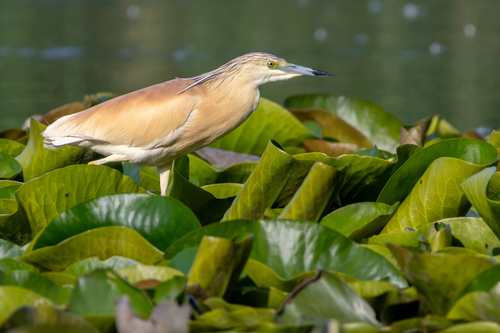 Sgarza ciuffetto
 Lilac-breasted Roller
In breve
Il modo più affidabile per separare Sgarza ciuffetto da Lilac-breasted Roller è attraverso la loro colorazione e struttura complessiva, specialmente in volo: Sgarza ciuffetto appare principalmente con ali bianche quando vola, mentre Lilac-breasted Roller sfoggia blu e lilla brillanti con lunghe streamers della coda (negli adulti). Le piume giovanili e immature sono anche abbastanza diverse, con l'airone che mostra toni buffo-tawny e striature, e il roller che mostra rufous-tawny con striature e privo delle lunghe piume della coda degli adulti. In posizione per la sosta, l'airone è tozzo e con collo corto e un becco spesso, mentre il roller è robusto, con una testa grande e colori vivaci. L'habitat e il comportamento aiutano ulteriormente: gli aironi sono legati a zone umide, i roller a boschi aperti e savane.
Consigli di identificazione
- Flight pattern and wing color: In tutte le età, Sgarza ciuffetto mostra ali bianche in volo, in contrasto con il suo dorso e collo color buffo-marrone. Lilac-breasted Roller sfoggia ali blu e nere con parti inferiori lilla e, negli adulti, lunghe streamers nere della coda.
- Tail shape: Gli adulti di Lilac-breasted Roller hanno lunghe streamers nere appuntite (8–9 cm), assenti nei giovanili. Sgarza ciuffetto ha una coda corta e quadrata senza streamers a qualsiasi età.
- Body structure: Sgarza ciuffetto è tozzo, con un collo corto (spesso curvato), un becco corto e spesso, e un aspetto compatto. Lilac-breasted Roller è robusto ma più eretto, con una testa grande, un becco largo e una lunga coda.
- Perched appearance: Gli Sgarza ciuffetto in posizione per la sosta sono di un color buffo-marrone sobrio con striature, fondendosi con canne o vegetazione palustre. Lilac-breasted Rollers sono appariscenti, con piumaggio brillante lilla, blu e verde, e sono solitamente visti su posatoi esposti.
- Juvenile confusion: Gli Sgarza ciuffetto giovanili sono tawny con striature più chiare e mancano della trasformazione delle ali bianche quando sono in posizione per la sosta, ma mostrano comunque ali bianche in volo. I giovanili di Roller sono striati rufous-tawny sulla gola e sul petto, mancano di streamers della coda e hanno blu più opaco nelle ali.
- Bill color and shape: Sgarza ciuffetto ha un becco dritto, spesso e relativamente corto adatto per la pesca. Lilac-breasted Roller ha un becco più largo, leggermente ricurvo, tipico dei roller, non adattato per la pesca.
- Neck length: L'airone ha un collo visibilmente corto per un airone, ma comunque più lungo del collo compatto del roller. In volo, il collo dell'airone è ritratto, mentre quello del roller non lo è.
- Behavior: Gli aironi si muovono lentamente, spesso solitari o in piccoli gruppi ai margini dell'acqua, e raramente si posano in alto. I roller sono attivi, spesso posati in alto sugli alberi, e compiono esibizioni aeree.
- Habitat: Se visti in una zona umida o palustre, Sgarza ciuffetto è molto più probabile. In boschi aperti o savana, specialmente lontano dall'acqua, aspettati Lilac-breasted Roller.
- Vocalization: I roller sono rumorosi, specialmente in esibizione, con richiami aspri e rauchi. Sgarza ciuffetto è generalmente silenzioso.
- Sex and season: Entrambe le specie non sono sessualmente dimorfiche, quindi il sesso non è un indizio sul campo. Le sottospecie di roller variano nel colore della corona e del petto, ma tutte sono molto più colorate di qualsiasi airone.
- Size impression: L'airone è più pesante e massiccio, ma la lunga coda del roller può farlo apparire più lungo quando è in posizione per la sosta o in volo.
- Feet: I roller hanno piedi sindattili (dita fuse), ma questo non è visibile sul campo. Gli aironi hanno piedi tipici da trampolieri.
- Pitfalls: Viste distanti o retroilluminate possono oscurare i colori del roller, ma le ali bianche dell'airone in volo sono ancora distintive. In posizione per la sosta, i colori brillanti di un roller e la sua postura eretta contrastano con l'aspetto curvo e criptico dell'airone.
- Range: Sgarza ciuffetto è del Vecchio Mondo, nidificando nell'Europa meridionale e in Medio Oriente, svernando in Africa; Lilac-breasted Roller è residente nell'Africa subsahariana e un vagabondo in Arabia. Fuori dalla gamma, la vagabondaggio è possibile ma rara per entrambi.
Taglia
Sgarza ciuffetto è notevolmente più pesante e leggermente più lungo (massa corporea ~288g, lunghezza 44–47 cm, apertura alare 80–92 cm) rispetto a Lilac-breasted Roller (massa media ~104g, lunghezza 36–38 cm comprese le streamers della coda, apertura alare 50–58 cm) [wikidata][wikipedia]. L'airone è più massiccio e compatto, mentre il roller è più leggero, con una coda proporzionalmente più lunga (specialmente negli adulti) e una postura più eretta e allerta.
Piumaggio
- Juvenile/Immature: Gli Sgarza ciuffetto giovanili sono tawny-buff con striature più chiare e un dorso buffo-marrone, fondendosi bene con la vegetazione palustre. In volo, anche i giovani uccelli mostrano ali bianche in modo sorprendente in contrasto con il corpo. I giovanili di Lilac-breasted Roller sono rufous-tawny sulla gola e sul petto, ampiamente striati con margini buffo-bianchi e mauve, e mancano delle lunghe streamers della coda degli adulti. Le loro ali mostrano già una colorazione blu e nera, anche se meno vivida rispetto agli adulti.
- Adult breeding: Gli adulti di Sgarza ciuffetto in estate hanno lunghe piume del collo e un dorso buffo-marrone, ma in volo, la trasformazione è drammatica: le ali appaiono quasi completamente bianche, un segno distintivo sul campo. Gli adulti di Lilac-breasted Roller sono inconfondibilmente colorati: gola e petto lilla (più scuri nella nominata, azzurri in alcune sottospecie), corona e mantello oliva o blu-verde, ali blu con nero e blu-viola nelle remiganti, e lunghe streamers nere della coda. I colori del roller sono vividi anche a distanza, specialmente in buona luce.
- Perched: Sgarza ciuffetto è sobrio, per lo più buffo e marrone, mentre Lilac-breasted Roller è un'esplosione di colori con tonalità lilla, blu e verde.
Comportamento
Gli Sgarza ciuffetto sono tipicamente visti stalkando silenziosamente ai margini delle paludi o stando immobili, spesso in piccole colonie con altri trampolieri. In volo, mostrano battiti d'ali lenti e profondi e un collo curvato. I Lilac-breasted Roller sono spesso visti posati in modo appariscente in cima agli alberi in aree aperte, soli o in coppie, a caccia di prede. Il loro volo è forte e acrobatico, con esibizioni di rotolamento e immersione, specialmente durante il corteggiamento o le dispute territoriali. I roller sono molto più aerei e attivi rispetto all'airone, e i loro voli di esibizione sono distintivi.
Habitat
Sgarza ciuffetto si trova quasi sempre vicino a zone umide paludose, laghi o fiumi, specialmente nelle regioni calde dell'Europa meridionale, del Medio Oriente e dell'Africa. È raramente visto lontano dall'acqua. Lilac-breasted Roller preferisce boschi aperti e savana, posandosi su rami esposti in radure erbose, ed è assente da aree forestali senza alberi o dense. Le due specie raramente si sovrappongono nell'habitat, tranne forse all'interfaccia tra zone umide e savana.
Voce
Lilac-breasted Roller ha un richiamo aspro e rauco 'kaaa, kaarsh' e un richiamo ridacchiante, specialmente durante i voli di esibizione. Sgarza ciuffetto è generalmente silenzioso e non è noto per alcun richiamo distintivo sul campo, specialmente rispetto alle esibizioni rumorose del roller.
Sgarza ciuffetto · Lilac-breasted Roller · I miei uccelli difficili