

Spur-winged Goose vs African Pygmy-Goose
Plectropterus gambensis contro Nettapus auritus
Fai un quiz con Spur-winged Goose e African Pygmy-Goose
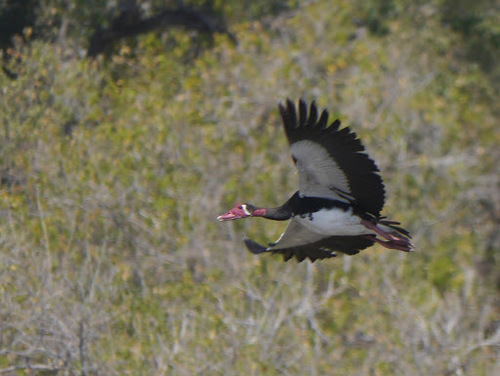 Spur-winged Goose
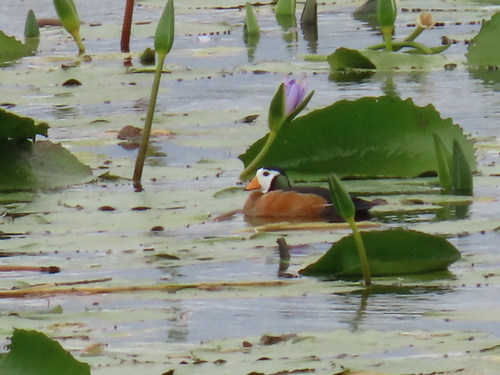 African Pygmy-Goose
In breve
Il Spur-winged Goose e l'African Pygmy-Goose sono drammaticamente diversi in dimensioni e struttura, rendendoli facili da separare nella maggior parte delle situazioni sul campo. Il Spur-winged Goose è il più grande uccello acquatico africano, che svetta sopra il piccolo e compatto African Pygmy-Goose. Gli adulti Spur-winged Geese sono per lo più neri con un volto bianco e grandi macchie bianche sulle ali, mentre i maschi adulti Pygmy-Geese hanno un motivo sorprendentemente decorato con un volto bianco, una corona nera e un corpo verde metallico e castano. Anche le piume giovanili e femminili differiscono, ma la dimensione e la forma generale sono sempre affidabili. Entrambe le specie hanno bianco nelle ali, ma il contesto, la struttura e i dettagli del piumaggio non si sovrappongono mai veramente.
Consigli di identificazione
- La dimensione è assoluta: il Spur-winged Goose è massiccio, delle dimensioni di un cigno; l'African Pygmy-Goose è piccolo, delle dimensioni di un'anatra tuffatrice. Non c'è sovrapposizione—usa questo come primo criterio.
- Struttura: il Spur-winged Goose ha gambe lunghe, corpo pesante, con un collo lungo e un grande becco; il Pygmy-Goose è compatto, con collo corto e un becco piccolo e tozzo.
- Becco e volto: il Spur-winged Goose ha un becco rosso e, nei maschi, una grande macchia facciale rossa e un nodulo; il Pygmy-Goose ha un becco giallo (maschio) o giallo e marrone (femmina), senza nodulo, e un volto distintivo bianco (maschio) o grigio (femmina).
- Piumaggio degli adulti maschi: il Spur-winged Goose è per lo più nero con un volto bianco e grandi macchie bianche sulle ali; il maschio Pygmy-Goose ha un motivo audace con un volto bianco, corona nera, macchia auricolare verde, fianchi castani e dorso verde metallico.
- Piumaggio delle femmine adulte: la femmina Spur-winged Goose è simile al maschio ma più piccola e con meno rosso esteso sul volto; la femmina Pygmy-Goose ha un volto grigio con una striscia oculare marrone e meno contrasto complessivo.
- Piumaggio giovanile: i giovanili Spur-winged Goose sono ancora grandi, scuri e con becco pesante; i giovanili Pygmy-Goose sono piccoli, con un volto bianco, corona scura e base del becco rosata.
- Motivo delle ali in volo: il Spur-winged Goose mostra grandi macchie bianche su ali altrimenti nere; il Pygmy-Goose mostra una barra bianca sulle secondarie scure, verde metallico-nerastre.
- Colore delle gambe: il Spur-winged Goose ha gambe lunghe, rosate-rosse; il Pygmy-Goose ha gambe corte, grigio scuro o nere.
- Comportamento: il Spur-winged Goose è spesso visto pascolare sulla terra o riposare in spazi aperti, a volte in grandi stormi; il Pygmy-Goose è quasi sempre sull'acqua, nutrendosi tra i gigli, e raramente sulla terra.
- Habitat: il Spur-winged Goose utilizza una vasta gamma di zone umide e a volte campi; il Pygmy-Goose è strettamente legato a acque tranquille coperte di gigli.
- Stile di volo: il Spur-winged Goose è pesante, lento e affaticato in volo; il Pygmy-Goose è rapido, diretto e agile.
- Dimorfismo sessuale: i maschi Spur-winged Goose sono più grandi e hanno più rosso esteso sul volto; i maschi e le femmine Pygmy-Goose differiscono principalmente nel colore del volto e nel contrasto.
- Voce: il Spur-winged Goose è solitamente silenzioso, ma i maschi possono emettere un richiamo morbido e gorgogliante; il Pygmy-Goose non è noto per richiami distintivi.
- Socialità: il Spur-winged Goose può trovarsi in grandi stormi, specialmente al di fuori della stagione riproduttiva; il Pygmy-Goose è solitamente in coppie o piccoli gruppi.
- Trappole comuni: Anche a distanza, la dimensione e le lunghe gambe del Spur-winged Goose sono uniche; la confusione è più probabile con uccelli solitari e distanti, ma la dimensione, la struttura e l'habitat dovrebbero sempre risolvere l'identificazione.
Taglia
La dimensione è la differenza più immediata e affidabile. Il Spur-winged Goose pesa in media quasi 5 kg (4887,5 g) [wikidata], con una lunghezza di 75–115 cm e un'apertura alare di 150–200 cm [wikipedia]. Al contrario, l'African Pygmy-Goose è minuto, con i maschi che pesano in media circa 285 g e le femmine 260 g, e una lunghezza dell'ala di soli 142–165 mm [wikipedia]. Sul campo, un Spur-winged Goose è delle dimensioni di un cigno, mentre l'African Pygmy-Goose è più piccolo della maggior parte delle anatre tuffatrici e può sembrare quasi delle dimensioni di un'anatra tuffatrice o di una tortora. Non c'è sovrapposizione nelle dimensioni.
Piumaggio
Non ci sono schemi confusi specifici per l'età tra queste due specie: entrambe hanno bianco nelle ali, ma il bianco del Spur-winged Goose è in grandi macchie su ali altrimenti nere, mentre l'African Pygmy-Goose mostra una barra bianca sulle secondarie distali contro un'ala scura, verde metallico-nera. Gli adulti Spur-winged Geese sono principalmente neri con un volto bianco e grandi macchie bianche sulle ali; i maschi hanno una macchia facciale rossa più grande e un nodulo alla base del becco. I maschi African Pygmy-Goose hanno un volto bianco con macchie oculari nere, una corona nera, macchie auricolari verde polvere, fianchi castani e un dorso verde metallico. Le femmine sono più opache, con un volto grigio, striscia oculare marrone e meno contrasto. I giovanili di entrambe le specie hanno un motivo, ma il giovanile Spur-winged Goose è ancora grande, scuro e con becco pesante, mentre il giovanile Pygmy-Goose è piccolo, con un volto bianco e corona scura. Il colore del becco e il motivo facciale sono sempre diversi. In volo, la dimensione del Spur-winged Goose e le sue ampie ali con grandi macchie bianche sono inconfondibili; il pygmy-goose è piccolo, veloce e mostra una barra bianca sulle ali.
Comportamento
Gli Spur-winged Geese sono spesso visti in stormi piccoli o grandi, pascolando o riposando vicino all'acqua, e sono aggressivi durante la riproduzione. Sono per lo più terrestri, nutrendosi pascolando, e trascorrono gran parte della giornata a oziare vicino all'acqua. Gli African Pygmy-Geese sono più acquatici, tipicamente visti in coppie o piccoli gruppi, nutrendosi attivamente di gigli d'acqua e vegetazione galleggiante, e raramente si avventurano lontano dall'acqua. Il loro volo è rapido e diretto, e sono meno probabili da vedere sulla terra.
Habitat
Entrambe le specie si trovano nell'Africa subsahariana, ma i loro habitat preferiti differiscono. Gli Spur-winged Geese si trovano attorno a fiumi, laghi e paludi, spesso in zone umide aperte e a volte in aree agricole. Gli African Pygmy-Geese sono fortemente associati a acque a flusso lento o stagnanti con abbondanti gigli d'acqua, come zone umide tranquille interne, paludi e pozze fluviali. I Pygmy-geese sono raramente visti lontano da vegetazione galleggiante densa, mentre gli Spur-winged Geese sono più flessibili e possono essere visti pascolare in campi aperti.
Voce
Il Spur-winged Goose è generalmente silenzioso, con i maschi che emettono un richiamo morbido e gorgogliante ("cherwit") quando allarmati o in volo. Le vocalizzazioni dell'African Pygmy-Goose non sono descritte nelle fonti, ma nessuna delle due specie è nota per richiami prominenti sul campo.
Spur-winged Goose · African Pygmy-Goose · I miei uccelli difficili