

Piro piro macchiato vs Piro piro culbianco
Actitis macularius contro Tringa ochropus
Fai un quiz con Piro piro macchiato e Piro piro culbianco
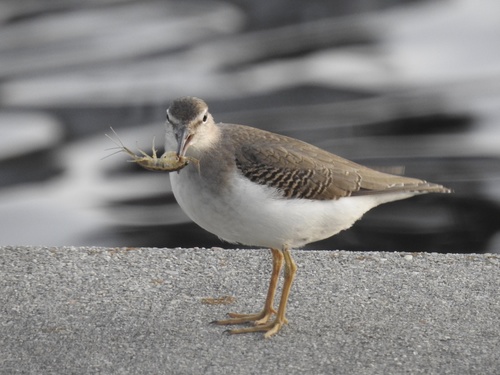 Piro piro macchiato
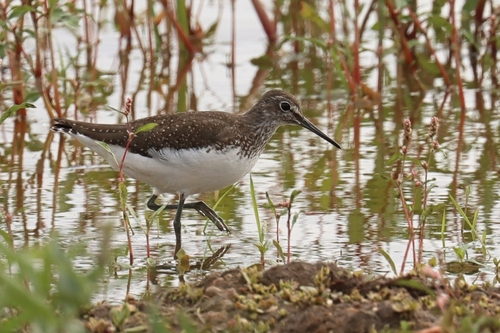 Piro piro culbianco
In breve
Il modo più affidabile per separare il Piro piro macchiato dal Piro piro culbianco è attraverso il loro schema di volo e il sottocoda: il Piro piro culbianco mostra sempre un sottocoda bianco brillante e ali scure in volo, mentre il Piro piro macchiato non ha questo sottocoda bianco e presenta un modello di ali più sbiadito. A terra, il Piro piro macchiato in abito nuziale è pesantemente macchiato sotto, ma in abiti non nuziali o immaturi, entrambe le specie possono apparire simili e richiedono attenzione al colore delle gambe (giallastro nel Piro piro macchiato, verde scuro nel Piro piro culbianco) e al colore del becco. Anche la struttura e il comportamento aiutano: il Piro piro macchiato muove costantemente la sua coda ed è più piccolo e leggero, mentre il Piro piro culbianco è più robusto e meno animato. Entrambi possono essere confusi in abiti opachi, ma il sottocoda bianco del Piro piro culbianco in volo è diagnostico a tutte le età.
Consigli di identificazione
- Sottocoda bianco in volo (tutte le età): Il Piro piro culbianco mostra sempre un sottocoda bianco brillante e ali scure quando viene spaventato o vola, mentre il Piro piro macchiato non ha questa caratteristica. Se vedi un sottocoda bianco, è un Piro piro culbianco.
- Schema delle ali in volo (tutte le età): Il Piro piro macchiato ha un modello di ali più sbiadito e meno contrastante rispetto alle ali scure del Piro piro culbianco sopra e sotto. Questo è particolarmente utile con uccelli non in abito nuziale o immaturi.
- Macchie sotto (solo adulti in abito nuziale): Il Piro piro macchiato in abito nuziale ha macchie nere audaci sulle sue parti inferiori bianche; il Piro piro culbianco non mostra mai macchie sulle parti inferiori, solo un petto grigiastro.
- Macchie sulla schiena (tutte le età): La schiena del Piro piro culbianco è macchiata di bianco, più fortemente negli adulti in abito nuziale ma ancora visibile negli immaturi e negli uccelli invernali. Il Piro piro macchiato non ha queste macchie bianche sulla schiena.
- Colore delle gambe: Il Piro piro macchiato ha gambe giallastre; le gambe del Piro piro culbianco sono verde scuro. Questo è visibile a distanza ravvicinata, ma può essere difficile da giudicare in condizioni di scarsa illuminazione o fangose.
- Colore del becco: Il becco del Piro piro macchiato è arancione con una punta scura; il becco del Piro piro culbianco è corto e verde scuro. Il colore del becco è sottile ma può aiutare a distanza ravvicinata.
- Segni facciali: Il Piro piro macchiato ha un sopracciglio bianco; la testa del Piro piro culbianco è più grigia con segni facciali meno distinti.
- Comportamento di movimento della coda: Il Piro piro macchiato muove costantemente la sua coda quando cammina o sta in piedi; il Piro piro culbianco non lo fa, o lo fa molto meno.
- Dimensioni e struttura: Il Piro piro culbianco è più robusto e pesante (circa 80 g) rispetto al Piro piro macchiato, più leggero e delicato (34–50 g). Questo è più utile con l'esperienza o il confronto diretto.
- Stile di volo: Entrambe le specie volano basse con battiti d'ali rigidi e superficiali, ma il Piro piro macchiato appare più delicato ed erratico, mentre il Piro piro culbianco è più stabile e diretto.
- Vocalizzazione: Il Piro piro culbianco emette un fischio distintivo a tre note in volo, che il Piro piro macchiato non fa.
- Contesto dell'habitat: Nel Vecchio Mondo, il Piro piro culbianco è la specie predefinita; in Nord America, ci si aspetta il Piro piro macchiato. La vaganza è rara ma possibile, quindi controlla sempre l'abito e la struttura.
- Trappole stagionali: In abiti non nuziali e immaturi, il Piro piro macchiato perde le sue macchie e può assomigliare molto al Piro piro culbianco, quindi fai affidamento sul sottocoda, sul modello delle ali e sul colore delle gambe.
- Differenze sessuali: Non diagnostiche sul campo; entrambe le specie hanno un abito simile in entrambi i sessi, anche se le femmine del Piro piro macchiato sono più pesanti.
- Confusione ibrida: Esistono rare ibridi sospetti tra il Piro piro culbianco e il Piro piro piccolo, ma non con il Piro piro macchiato. Se vedi un uccello che non si adatta a nessuno dei due, considera possibilità ibride o di vaganza, ma concentrati sul sottocoda bianco e sulle macchie delle parti inferiori per un'identificazione sicura.
Taglia
Il Piro piro culbianco è nettamente più pesante e robusto del Piro piro macchiato. Il Piro piro culbianco pesa in media circa 80 g, rendendolo quasi due volte più pesante del Piro piro macchiato (34–50 g). Il Piro piro macchiato è più corto e più delicato nel complesso, mentre il Piro piro culbianco appare più grasso e robusto. Questa differenza di dimensioni è più evidente quando visti fianco a fianco, ma può essere sottile a distanza o in scarsa luce.
Piumaggio
-
Uccelli giovanili/non in abito nuziale/immaturi: Entrambe le specie possono apparire simili con parti superiori marroni e parti inferiori bianche, ma il Piro piro culbianco mostra sempre un sottocoda bianco brillante e ali scure in volo, mentre il Piro piro macchiato non ha il sottocoda bianco e ha un modello di ali più sbiadito. La schiena del Piro piro culbianco è macchiata di bianco in varia misura, soprattutto negli adulti in abito nuziale ma ancora presente (anche se ridotta) negli immaturi e negli uccelli invernali. Il Piro piro macchiato in abito non nuziale e immaturo non ha macchie sulle parti inferiori e può assomigliare molto al Piro piro piccolo, ma il suo modello di ali superiori è meno contrastante rispetto a quello del Piro piro culbianco.
-
Adulti in abito nuziale: Il Piro piro macchiato ha macchie nere audaci sulle parti inferiori bianche, che sono assenti nel Piro piro culbianco. Le parti superiori del Piro piro culbianco sono di un marrone verde scuro con macchie bianche sulla schiena, e le parti inferiori rimangono bianche pulite tranne che per un petto grigiastro.
-
Colore delle gambe e del becco: Il Piro piro macchiato ha gambe giallastre e un becco arancione con una punta scura; il Piro piro culbianco ha gambe verde scuro e un becco corto e verde scuro.
-
Faccia: Il Piro piro macchiato mostra un sopracciglio bianco, mentre il Piro piro culbianco ha una testa più grigia e segni facciali meno distinti.
Comportamento
Il Piro piro macchiato è famoso per il suo camminare costante con la coda in movimento, sia quando si nutre che quando è appollaiato. Questo movimento della coda è meno pronunciato o assente nel Piro piro culbianco. In volo, entrambe le specie volano basse con battiti d'ali rigidi e superficiali, ma il Piro piro macchiato appare spesso più delicato ed erratico, mentre il Piro piro culbianco è più stabile e diretto. Il Piro piro culbianco è meno animato a terra e appare più deliberato nei suoi movimenti.
Habitat
Entrambe le specie si trovano vicino all'acqua, ma il Piro piro macchiato è tipicamente visto lungo i bordi di laghi, fiumi e corsi d'acqua in Nord America, spesso singolarmente. Il Piro piro culbianco è una specie del Vecchio Mondo, che predilige stagni boschivi, paludi e acque tranquille, ed è più probabile trovarlo in habitat umidi forestali o ombreggiati. Entrambi possono essere visti in migrazione ai margini fangosi, ma i loro areali normalmente non si sovrappongono se non come rari vaganti.
Voce
Il Piro piro culbianco emette un fischio distintivo a tre note in volo, che è un utile indizio sul campo. Il richiamo tipico del Piro piro macchiato non è descritto nelle note fornite, ma non è menzionato come un separatore chiave. Pertanto, il richiamo di volo a tre note è un buon segno per il Piro piro culbianco.
Piro piro macchiato · Piro piro culbianco · I miei uccelli difficili