
Spotted Bowerbird vs Great Bowerbird
Chlamydera maculata contro Chlamydera nuchalis
Fai un quiz con Spotted Bowerbird e Great Bowerbird
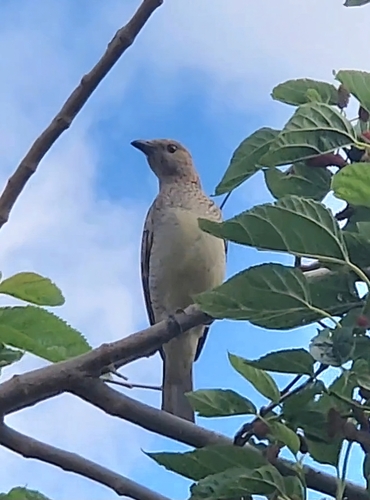 Spotted Bowerbird
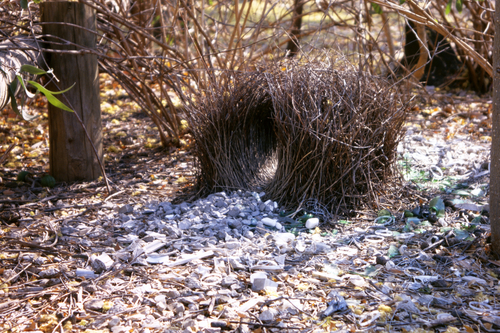 Great Bowerbird
In breve
Il segno di campo più affidabile per separare il Spotted Bowerbird dal Great Bowerbird è il modello generale del piumaggio: il Spotted Bowerbird mostra macchie ambra sorprendenti sulle parti superiori e una testa rufous pallido, striata, mentre il Great Bowerbird è più semplice e privo di macchie audaci. Entrambe le specie hanno una cresta nucale colorata (lilla-rosa nel Spotted, lavanda nel Great), ma la cresta è solitamente nascosta e visibile solo durante la display. La struttura è simile, ma il Spotted Bowerbird è leggermente più piccolo e più compatto. L'habitat è un forte indizio: il Spotted Bowerbird si trova nelle foreste aperte e secche dell'Australia orientale, mentre il Great Bowerbird è un residente evidente dell'Australia settentrionale, spesso vicino a foreste monsoniche o mangrovie.
Consigli di identificazione
- Upperpart spotting: Il Spotted Bowerbird ha macchie ambra audaci sulle parti superiori nere-marroni, facilmente visibili negli uccelli posati e diagnostiche a distanza ravvicinata. Il Great Bowerbird non ha queste macchie e appare molto più semplice sopra. Questo è il segno di campo più affidabile per tutte le età e sessi.
- Head color and pattern: Il Spotted Bowerbird mostra una testa rufous pallido striata di grigio-marrone, in contrasto con il corpo. La testa del Great Bowerbird è meno distintamente segnata e si fonde di più con il resto del piumaggio.
- Nuchal crest color: Entrambe le specie hanno una cresta nucale colorata (lilla-rosa nel Spotted, lavanda nel Great), ma questa è solitamente nascosta tranne durante la display. Se vista, la differenza di colore può aiutare, ma non fare affidamento su di essa a meno che l'uccello non stia mostrando attivamente.
- Underparts: Il Spotted Bowerbird ha parti inferiori crema con scalloping e barring grigi, e una sfumatura giallastra sul ventre inferiore e sull'undertail. Le parti inferiori del Great Bowerbird sono meno distintamente patternizzate.
- Size and structure: Il Spotted Bowerbird è leggermente più piccolo, più snello e più compatto del Great Bowerbird, che è più grande e massiccio. Questa è una differenza sottile e meglio utilizzata come prova di supporto.
- Habitat and range: La posizione è un forte indizio—il Spotted Bowerbird si trova nelle foreste aperte e secche dell'Australia orientale, mentre il Great Bowerbird è nell'Australia settentrionale, spesso vicino a foreste monsoniche o mangrovie. Se conosci la tua posizione, usala per restringere le opzioni.
- Behavior at bowers: Entrambe le specie costruiscono e decorano i loro bowers, ma i maschi del Spotted Bowerbird spesso usano decorazioni come props e si esibiscono con movimenti bruschi e eretti. I maschi del Great Bowerbird orientano i loro bowers nord-sud e si esibiscono all'estremità nord, usando la luce per evidenziare la cresta. Il contesto comportamentale può aiutare se osservi un maschio in display.
- Vocal mimicry: Entrambi sono eccellenti imitatori, quindi la voce non è un separatore affidabile a meno che tu non riconosca una sequenza specifica per specie.
- Sex and age: Entrambe le specie sono sessualmente monomorfiche, e non sono descritte differenze di piumaggio specifiche per età che confonderebbero i due. I giovani e gli immaturi dovrebbero mostrare le stesse differenze chiave degli adulti.
- Perched vs. in flight: Non sono notate differenze distintive nel volo o nel pattern delle ali, quindi fai affidamento sul piumaggio del corpo e sulla struttura in tutte le situazioni di osservazione.
- Plumage pitfalls: Non confondere il colore della cresta nucale a meno che non sia completamente visibile; entrambe le specie di solito la tengono nascosta. Concentrati sulle macchie delle parti superiori e sul colore della testa per la separazione più affidabile.
- Contextual clues: Se visto in frutteti, giardini o fattorie rurali nell'est, è probabile che sia un Spotted Bowerbird. Nel nord, specialmente vicino a mangrovie o foreste monsoniche, ci si aspetta un Great Bowerbird.
- Display behavior: Se vedi un maschio che si esibisce con un oggetto colorato nel becco e muove la testa all'estremità nord di un bower nord-sud, questo suggerisce un Great Bowerbird. Le esibizioni brusche e erette con decorazioni lanciate sono più tipiche del Spotted Bowerbird.
- Bill and legs: Non sono descritte differenze forti, ma il Spotted Bowerbird ha un becco nero e zampe oliva-marroni, che possono essere leggermente più delicate rispetto al Great Bowerbird.
- When in doubt: Se il piumaggio non è chiaramente visibile, usa una combinazione di posizione, habitat e impressione generale, ma dai priorità alle macchie delle parti superiori e al pattern della testa quando possibile.
Taglia
Il Spotted Bowerbird pesa in media 142 g, rendendolo un bowerbird di dimensioni medie, snello e compatto. Il Great Bowerbird è generalmente più grande e massiccio, anche se la massa esatta non è fornita qui. Sul campo, il Spotted Bowerbird può apparire più delicato e meno robusto rispetto al Great Bowerbird, ma la sovrapposizione delle dimensioni e la postura possono rendere questa una distinzione sottile. Usa la dimensione solo come indizio di supporto, non come separatore primario.
Piumaggio
Non sono descritte differenze specifiche per età nel pattern delle ali superiori o nel volo per nessuna delle due specie, quindi concentrati sul piumaggio del corpo. L'adulto Spotted Bowerbird è distintivo con parti superiori nere-marroni coperte da ampie macchie ambra, una testa rufous pallido striata di grigio-marrone e una cresta nucale lilla-rosa (solitamente nascosta). Le parti inferiori sono crema con scalloping e barring grigi, con una sfumatura giallastra sul ventre inferiore e sull'undertail. Il Great Bowerbird manca delle macchie audaci ed è generalmente più semplice sopra, con una cresta nucale lavanda brillante (anch'essa solitamente nascosta tranne che in display). Entrambe le specie sono sessualmente monomorfiche, quindi questi segni si applicano a tutte le età e sessi. Non sono fornite informazioni sulle differenze di piumaggio specifiche per giovani o immaturi, quindi si assume che i contrasti sopra descritti si mantengano per tutte le età visibili.
Comportamento
Entrambe le specie sono classici bowerbirds, con maschi che costruiscono e decorano elaborati bowers e eseguono complesse esibizioni. I maschi del Spotted Bowerbird circondano il loro bower con la testa sollevata e le ali abbassate, spesso usando decorazioni come props, e mostrano la loro cresta lilla-rosa con posture brusche e erette. I maschi del Great Bowerbird orientano i loro bowers nord-sud e si esibiscono all'estremità nord, usando la luce del mattino per evidenziare la loro cresta lavanda, spesso tenendo oggetti colorati nel becco mentre muovono la testa. Entrambe le specie usano l'imitazione vocale e hanno una vasta gamma di comportamenti di display, ma il repertorio comportamentale complessivo è simile e non affidabilmente diagnostico tranne che per il contesto.
Habitat
L'habitat è un forte separatore. Il Spotted Bowerbird si trova nelle foreste sclerofile aperte e secche dell'Australia orientale, specialmente dove dominano eucalipti o brigalow, ed è spesso visto in frutteti, parchi e giardini rurali. Il Great Bowerbird è ristretto all'Australia settentrionale, favorendo una vasta gamma di tipi di foresta e bosco, inclusi i margini delle foreste di vite, delle foreste monsoniche e delle paludi di mangrovie. Se sei nel Top End o a Cape York, il Great Bowerbird è il candidato probabile; nell'est interno più secco, ci si aspetta un Spotted Bowerbird.
Voce
Entrambe le specie sono abili imitatori vocali, capaci di imitare una vasta gamma di richiami di uccelli e persino suoni non aviani. Il Spotted Bowerbird è noto per imitare i richiami di uccelli predatori locali e vari rumori ambientali, specialmente quando minacciato. Le vocalizzazioni del Great Bowerbird sono meno dettagliate nelle note, ma come bowerbird, probabilmente ha un repertorio altrettanto vario. La voce da sola non è un separatore affidabile a meno che tu non senta una sequenza di imitazione nota unica per una specie.
Spotted Bowerbird · Great Bowerbird · I miei uccelli difficili