

Southern Penduline-Tit vs Spike-heeled Lark
Anthoscopus minutus contro Chersomanes albofasciata
Fai un quiz con Southern Penduline-Tit e Spike-heeled Lark
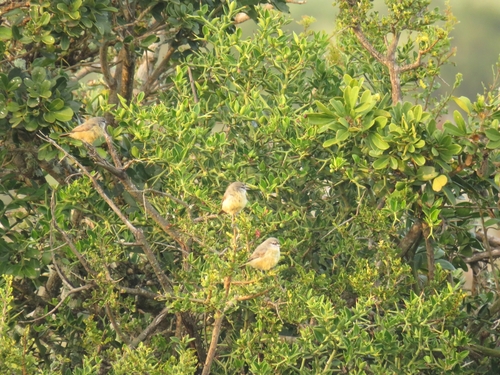 Southern Penduline-Tit
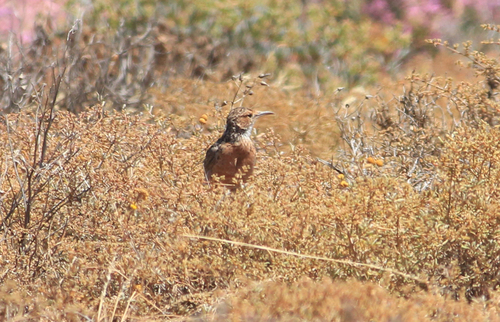 Spike-heeled Lark
In breve
Il modo più affidabile per separare il Southern Penduline-Tit dallo Spike-heeled Lark è attraverso la struttura e le dimensioni complessive: il tit è un uccello minuscolo e compatto con un becco corto, mentre il lark è molto più grande e con un becco più lungo. Entrambe le specie si trovano in habitat secchi e arbustivi nell'Africa meridionale, ma il lark è quasi cinque volte più pesante e ha una silhouette visibilmente diversa. Il piumaggio è meno utile a causa dei dettagli limitati, ma l'aspetto piccolo e rotondo del tit e il jizz allungato e terrestre del lark sono indizi forti. Se visti in volo o posati, concentrati prima sulla dimensione del corpo e sulla forma del becco.
Consigli di identificazione
- La dimensione è il controllo più veloce: Il Southern Penduline-Tit è estremamente piccolo; se l'uccello appare delle dimensioni di un passero o più grande, è quasi certamente uno Spike-heeled Lark (funziona per tutte le età e i sessi).
- Forma del becco: Il tit ha un becco molto corto e fine adatto a raccogliere insetti dalla vegetazione, mentre il becco del lark è lungo, leggermente ricurvo e robusto—notevole anche a distanza (tutte le età).
- Jizz e postura: I tit hanno un corpo rotondo, spesso eretti o acrobatici sugli alberi/bush; i lark sono allungati, orizzontali e spesso visti camminare o correre a terra (tutte le età).
- Posato vs. terra: Se l'uccello sta cercando cibo tra i cespugli o gli alberi, è molto più probabile che sia un tit; i lark sono quasi sempre a terra.
- Struttura della coda e delle ali: Il tit ha una coda e ali corte, dando un aspetto compatto; la coda e le ali del lark sono più lunghe, e potrebbe mostrare una forma delle ali più appuntita in volo.
- Dimensione del gruppo: I tit si muovono spesso in piccoli gruppi attivi; i lark sono più solitari o in coppie.
- Trappole del piumaggio: Entrambi sono semplici e di tonalità sabbiosa, ma il tit non ha le striature o i modelli sottili spesso visti sui lark. Tuttavia, questo è sottile e non sempre affidabile.
- Stile di volo: I tit volano in brevi e deboli scatti tra i cespugli; i lark si alzano con un volo più forte e ondulato e possono volare più lontano prima di atterrare.
- Contesto dell'habitat: Un cespuglio denso o un terreno spinoso indicano un tit; un terreno aperto, erboso o scarsamente vegetato indica un lark.
- Vocalizzazioni: Non diagnostiche con le note attuali, ma i lark spesso cantano da terra o da posatoi bassi, mentre i richiami del tit sono acuti e dati in gruppi sociali.
- Stagione e sesso: Non ci sono differenze di piumaggio stagionali o sessuali diagnostiche per la separazione qui.
- Confusione giovanile: Non sono descritti modelli distintivi di ali per i giovani o immaturi per nessuna delle due specie, quindi concentrati su struttura e comportamento per gli uccelli giovani.
- Trappole comuni: I principianti possono giudicare male la dimensione a distanza—usa oggetti vicini o altri uccelli per scala.
- Abbondanza locale: Entrambe le specie possono essere comuni localmente, quindi non fare affidamento sulla rarità per l'ID.
- Se hai dubbi: Controlla sempre prima la lunghezza del becco e la dimensione del corpo—questi sono i segni più costantemente affidabili sul campo.
Taglia
Lo Spike-heeled Lark è molto più grande, con una massa corporea media di circa 24.7g [wikidata], rispetto al molto più piccolo Southern Penduline-Tit (nessuna massa fornita, ma tutti gli Anthoscopus sono tra i passeriformi più piccoli dell'Africa). Il lark è visibilmente più robusto e lungo, con un becco e una coda proporzionalmente più lunghi. Sul campo, il tit appare come un uccello minuscolo, quasi simile a un scricciolo, mentre il lark è più vicino in dimensione a un pipit o a un piccolo tordo.
Piumaggio
Non sono forniti segni dettagliati specifici per età o modelli di ali per nessuna delle due specie. Entrambe le specie sono adattate a habitat secchi e aperti, ma il Southern Penduline-Tit mostra tipicamente un piumaggio semplice e di tonalità morbida senza forti modelli, mentre i lark (incluso lo Spike-heeled) hanno spesso una colorazione più criptica, striata o sabbiosa per mimetizzarsi con il terreno. Tuttavia, senza specifiche, il piumaggio non dovrebbe essere utilizzato per la separazione qui.
Comportamento
Il Southern Penduline-Tit è altamente attivo, spesso visto svolazzare tra cespugli e piccoli alberi, raramente a terra, e frequentemente in piccoli gruppi. Cerca cibo in modo acrobatico, a volte appeso a testa in giù. Al contrario, lo Spike-heeled Lark è una specie terrestre, di solito vista camminare o correre su terreno aperto, spesso singolarmente o in coppie. I suoi movimenti sono più deliberati e potrebbe alzarsi con un volo basso e ondulato se disturbato.
Habitat
Entrambe le specie condividono habitat di arbusti secchi e savana nell'Africa meridionale, ma il tit è più probabile che si trovi in vegetazione arbustiva, a volte in cespugli di tipo mediterraneo, mentre il lark preferisce terreni aperti, stagionalmente umidi o secchi, così come arbustivi. Se vedi un uccello in cespugli densi, è più probabile che sia un tit; su terreno aperto, specialmente in praterie, è favorito il lark.
Southern Penduline-Tit · Spike-heeled Lark · I miei uccelli difficili