

Southern Fulmar vs Westland Petrel
Fulmarus glacialoides contro Procellaria westlandica
Fai un quiz con Southern Fulmar e Westland Petrel
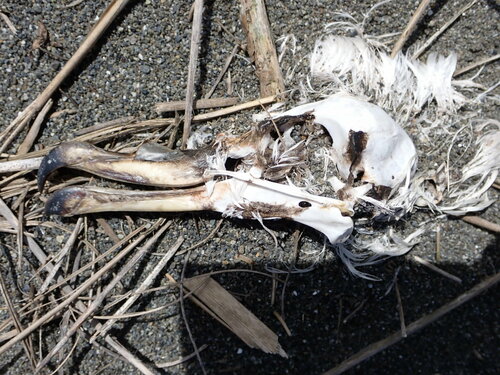 Southern Fulmar
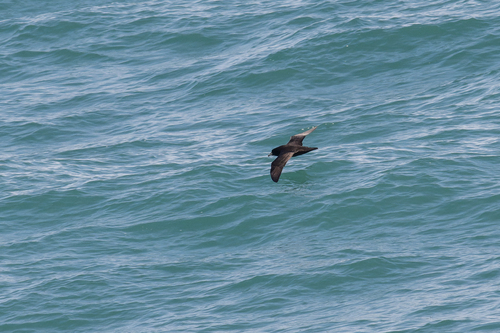 Westland Petrel
In breve
Il modo più affidabile per separare il Southern Fulmar dal Westland Petrel è attraverso il piumaggio complessivo: il Southern Fulmar è di un grigio argenteo pallido sopra e bianco sotto con una distintiva macchia bianca sull'ala, mentre il Westland Petrel è completamente scuro, marrone nerastro. In volo, anche a distanza, le parti superiori pallide del Southern Fulmar e le punte delle ali nerastre in contrasto si distinguono, mentre il Westland Petrel appare uniformemente scuro. Strutturalmente, il Southern Fulmar è più piccolo, con un becco più tozzo e rosato, mentre il Westland Petrel è più pesante e robusto con un becco giallo pallido con punta scura. Entrambe le specie sono petrelli tozzi, ma la loro colorazione e il colore del becco sono segni distintivi forti in tutti i piumaggi.
Consigli di identificazione
- La colorazione complessiva è il controllo più veloce: il Southern Fulmar è grigio pallido sopra e bianco sotto, con una testa bianca; il Westland Petrel è completamente scuro, marrone nerastro. Questo funziona per tutte le età e stagioni.
- Schema dell'ala in volo: il Southern Fulmar mostra una grande macchia bianca sull'ala superiore, punte delle ali nerastre e un bordo posteriore scuro; le ali del Westland Petrel sono uniformemente scure senza pannelli o macchie chiare. Questo è diagnostico a qualsiasi distanza.
- Colore del becco: il Southern Fulmar ha un becco rosa con una punta nera e naricorni blu; il Westland Petrel ha un becco giallo pallido con una punta scura. Il colore del becco è visibile a distanza moderata in buona luce.
- Colore delle gambe e dei piedi: le gambe e i piedi del Southern Fulmar sono blu pallido, mentre quelli del Westland Petrel sono neri. Questo è meglio visibile su uccelli posati o a terra, raramente in mare.
- Dimensioni e robustezza: il Westland Petrel è più pesante e più robusto (1204 g contro 795 g), ma la dimensione può essere difficile da giudicare senza un confronto diretto.
- Testa e corona: il Southern Fulmar ha una testa bianca con una corona grigio pallido; la testa del Westland Petrel è uniformemente scura.
- Parte inferiore: il Southern Fulmar è bianco sotto; il Westland Petrel è scuro sotto. Questo è particolarmente evidente in uccelli che virano o planano.
- Habitat e distribuzione: il Southern Fulmar si trova nelle acque antartiche e subantartiche, il Westland Petrel solo nelle acque della Nuova Zelanda. Se ti trovi nell'Oceano Meridionale vicino all'Antartide, il Westland Petrel è estremamente improbabile.
- Stile di volo: il Southern Fulmar plana con ali rigide e larghe e battiti superficiali; il Westland Petrel è probabilmente più diretto e meno galleggiante, ma questo è meno affidabile del piumaggio.
- Confusione giovanile: non sono notati schemi speciali delle ali giovanili per nessuna delle due specie, quindi i segni degli adulti si applicano a tutte le età.
- Piume bianche sul Westland Petrel: alcuni Westland Petrel possono mostrare alcune piume bianche, ma mai le ampie aree chiare o bianche del Southern Fulmar.
- Forma del becco: il becco del Southern Fulmar è più tozzo e rosato; quello del Westland Petrel è più lungo, giallo pallido e più robusto. Nel Southern Fulmar di primo anno, il becco è più snello ma ancora rosato.
- Indizi contestuali: il Southern Fulmar nidifica su scogliere antartiche; il Westland Petrel nidifica nelle foreste costiere della Nuova Zelanda. L'habitat di nidificazione è un forte indizio se osservato.
- Voce: il Southern Fulmar può essere rumoroso nelle colonie, ma entrambe le specie sono solitamente silenziose in mare. Non fare affidamento sulla voce per la separazione.
- Sesso e età: entrambe le specie mostrano poco dimorfismo sessuale sul campo; tutti i segni sul campo sopra si applicano a entrambi i sessi e a tutte le età.
Taglia
Il Southern Fulmar è notevolmente più leggero, con una massa media adulta di circa 795 g, rispetto al molto più pesante Westland Petrel a 1204 g. Sul campo, questa differenza di dimensioni può essere sottile, ma il Westland Petrel appare spesso più robusto e massiccio, specialmente quando visto accanto ad altri uccelli marini. Il Southern Fulmar è comunque un grande petrel, ma è meno massiccio e leggermente più compatto rispetto al Westland Petrel.
Piumaggio
- Piumaggio giovanile/immaturo: non è descritto alcun schema specifico delle ali superiori dipendente dall'età per nessuna delle due specie, ma tutte le età del Southern Fulmar mostrano un'ala superiore grigio argenteo pallido con una grande macchia bianca e punte delle ali nerastre, oltre a un bordo posteriore scuro. Il Westland Petrel, indipendentemente dall'età, è completamente scuro, marrone nerastro, senza marcature chiare sulle ali o sul corpo, sebbene alcune piume bianche possano verificarsi in alcuni individui.
- Piumaggio adulto: gli adulti del Southern Fulmar sono grigi pallidi sopra e bianchi sotto, con una testa bianca e una corona grigio pallido. Le punte delle ali nerastre e la macchia bianca sull'ala sono sempre presenti. Gli adulti del Westland Petrel sono uniformemente scuri, con gambe e piedi neri, e un becco giallo pallido con una punta scura. Il becco del Southern Fulmar è rosa con una punta nera e naricorni blu, mentre quello del Westland Petrel è giallo pallido con una punta scura. Anche il colore delle gambe è distintivo: blu pallido nel Southern Fulmar, nero nel Westland Petrel.
Comportamento
Il Southern Fulmar vola con una combinazione di battiti superficiali e planate lunghe e rigide, spesso scandagliando l'acqua sottostante. Le sue ali sono larghe e arrotondate, e tende a tenerle rigide. Lo stile di volo del Westland Petrel non è dettagliato nelle fonti, ma essendo un grande petrel tozzo da scavo, è probabile che sia meno galleggiante e più diretto in volo, con meno planate rispetto al fulmar. Entrambe le specie sono nidi coloniali, ma il Southern Fulmar nidifica su scogliere antartiche, mentre il Westland Petrel nidifica in colline costiere ripide e boscose della Nuova Zelanda.
Habitat
Il Southern Fulmar è una specie dell'Oceano Meridionale, nidificando su scogliere antartiche e subantartiche e spostandosi verso nord in inverno. Il Westland Petrel è endemico della Nuova Zelanda, nidificando solo in una piccola area di colline costiere boscose vicino a Punakaiki. Sul campo, ci si aspetta di trovare il Southern Fulmar in mari meridionali freddi e aperti, spesso vicino al ghiaccio marino, mentre il Westland Petrel è strettamente associato alle acque della Nuova Zelanda e non si verifica mai vicino all'Antartide. Le loro aree di distribuzione non si sovrappongono.
Voce
Il Southern Fulmar è solitamente silenzioso in mare ma emette forti richiami striduli al nido o in stormi alimentari, e suoni più morbidi durante il corteggiamento. Nessun dettaglio sulla vocalizzazione è fornito per il Westland Petrel nelle fonti. La voce non è un segno distintivo affidabile per separare questi due in mare.
Southern Fulmar · Westland Petrel · I miei uccelli difficili