

Sora vs Bananaquit
Porzana carolina contro Coereba flaveola
Fai un quiz con Sora e Bananaquit
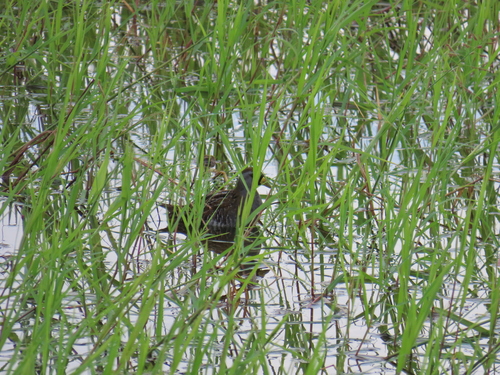 Sora
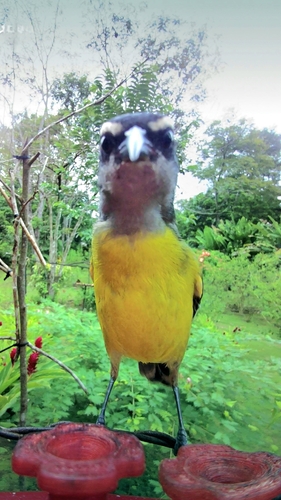 Bananaquit
In breve
Il segno di campo più affidabile per separare Sora da Bananaquit è la struttura generale e la forma del becco: Sora è un piccolo rail tozzo con un becco giallo corto e spesso, mentre Bananaquit è un uccello canoro molto più piccolo e snello con un becco sottile e fortemente curvato. Sora presenta parti inferiori blu-grigie, fianchi a strisce bianche e nere e un viso e una gola neri negli adulti; Bananaquit è caratterizzato da una striscia oculare bianca, una corona nera e parti inferiori gialle brillanti. I Sora giovani non hanno il viso nero degli adulti e hanno un petto color crema, ma mostrano comunque un becco corto e spesso e una forma simile a quella di un rail. Queste specie non si sovrappongono mai nell'habitat tipico: Sora si trova in paludi e zone umide, Bananaquit in giardini, parchi e boschi aperti. Anche a distanza, il comportamento da rail di Sora e il comportamento simile a quello di un warbler di Bananaquit sono distinzioni chiare.
Consigli di identificazione
- Forma e dimensione del becco: Sora ha un becco giallo corto e spesso (simile a un rail); Bananaquit ha un becco snello e fortemente curvato (tipo nettarivoro). Questo è visibile anche a distanza e funziona per tutte le età.
- Dimensione e struttura del corpo: Sora è molto più grande, tozzo e con la coda corta; Bananaquit è piccolo, snello e più eretto. Confronta con gli uccelli vicini se possibile.
- Schema del viso: L'adulto Sora mostra un viso e una gola neri con guance blu-grigie; Bananaquit ha una striscia oculare bianca audace e una corona nera, senza macchia nera sulla gola. Il Sora giovane manca del viso nero ma non mostra mai una striscia oculare bianca.
- Colore delle parti inferiori: Sora ha parti inferiori blu-grigie con fianchi a strisce bianche e nere; Bananaquit è giallo brillante sotto, con un ventriglio bianco. Nessun Sora mostra mai parti inferiori gialle.
- Schema dei fianchi: Sora (tutte le età) ha strisce bianche e nere sui fianchi; i fianchi di Bananaquit sono semplicemente gialli.
- Parti superiori: Sora è marrone sopra con segni scuri; Bananaquit è grigio scuro o nero sopra, mai marrone.
- Confusione giovanile: Il Sora giovane manca del viso nero, ha un viso biancastro e un petto color crema, ma mostra comunque la struttura da rail e i fianchi a strisce. Il Bananaquit giovane è più opaco ma mostra sempre giallo sotto e una striscia oculare bianca.
- Zampe e piedi: Non descritto nelle note, ma le zampe di Sora sono adattate per camminare nelle paludi, quelle di Bananaquit per posarsi.
- Comportamento: Sora cammina o nuota basso nella vegetazione palustre, raramente si posa in alto; Bananaquit è attivo, si posa in aperto e visita fiori o mangiatoie.
- Contesto dell'habitat: Sora si trova solo in zone umide o paludi; Bananaquit si trova in giardini, parchi e bordi di foreste, mai in paludi.
- Vocalizzazioni: Il forte 'whinny' o 'ker-whee' di Sora è unico; Bananaquit non emette richiami simili a quelli dei rail.
- Stile di volo: Non descritto in dettaglio, ma il volo di Sora è tipicamente corto e debole, basso sopra la palude; Bananaquit è agile e veloce nel volo tra i posatoi.
- Differenze sessuali: Entrambe le specie sono simili tra i sessi; non fare affidamento sul sesso per la separazione.
- Variazione stagionale: Il piumaggio di Sora è simile tutto l'anno; il colore di Bananaquit varia leggermente per sottospecie, ma sempre con parti inferiori gialle e striscia oculare bianca.
- Trappole: Non confondere il viso pallido di un Sora giovane con quello di Bananaquit—controlla la forma del becco, la struttura e l'habitat. Le parti inferiori gialle di Bananaquit e la striscia oculare bianca non sono mai eguagliate da Sora.
Taglia
Sora è sostanzialmente più grande e pesante: gli adulti misurano 19–30 cm di lunghezza e pesano 49–112 g, con un'apertura alare di 35–40 cm [wikipedia]. Bananaquit è molto più piccolo, con una lunghezza di 10–13 cm e un peso di soli 5.5–19 g [wikipedia]. Sora è un uccello palustre tozzo e con la coda corta; Bananaquit è un piccolo, snello e attivo uccello canoro. Anche un Sora giovane sovrasta un Bananaquit.
Piumaggio
Nessun segno specifico per l'età delle ali superiori o di volo è descritto per entrambe le specie, ma il piumaggio complessivo è altamente diagnostico.
- Sora adulto: parti superiori marroni con segni scuri, viso e parti inferiori blu-grigie, strisce bianche e nere sui fianchi, becco giallo corto e spesso, segni neri sul viso alla base del becco e sulla gola.
- Sora giovane: manca di segni facciali neri, ha un viso biancastro e un petto color crema, ma mostra comunque parti superiori marroni e fianchi a strisce.
- Bananaquit (tutte le età): parti superiori grigio scuro o nere, corona nera e lati della testa, striscia oculare bianca prominente, petto, pancia e groppa gialli, ventriglio bianco, becco snello e curvato. I giovani sono più opachi, con sopracciglia e gola parzialmente gialle, ma hanno sempre la striscia oculare bianca e le parti inferiori gialle.
Sora non mostra mai una striscia oculare bianca o parti inferiori gialle; Bananaquit non mostra mai corpo blu-grigio o marrone, gola nera o fianchi a strisce.
Comportamento
Sora è riservato, di solito cammina o nuota basso nella densa vegetazione palustre, a volte avventurandosi in aperto vicino all'acqua. Raramente si posa sopra il suolo. Bananaquit è attivo, spesso visto svolazzare tra arbusti, giardini o alberi, posandosi in aperto e visitando frequentemente fiori o mangiatoie. Bananaquit non si inabissa né nuota. Sora è più spesso udito che visto, mentre Bananaquit è evidente e domestico negli ambienti umani.
Habitat
Sora è strettamente una specie di palude e zona umida, trovata in canneti e paludi di giunco dolce o salmastro in tutta Nord America [wikipedia]. Bananaquit è un uccello di habitat aperti e semi-aperti—giardini, parchi, bordi di foreste e cespugli—attraverso i Caraibi, Centro e Sud America, ed è assente da foreste dense e alte montagne. Sora non si trova mai in giardini o habitat asciutti, Bananaquit mai in paludi.
Voce
Sora emette un distintivo, forte, discendente 'whinny' o un lento 'ker-whee' fischiato [wikipedia]. Le vocalizzazioni di Bananaquit non sono descritte nelle note, ma non emette richiami simili a quelli dei rail. I richiami di Sora sono unici e, se uditi, escludono immediatamente Bananaquit.