

Solitary Snipe vs Latham's Snipe
Gallinago solitaria contro Gallinago hardwickii
Fai un quiz con Solitary Snipe e Latham's Snipe
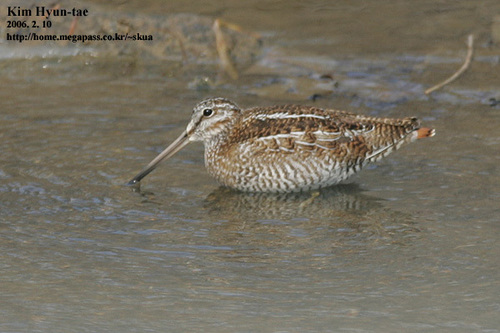 Solitary Snipe
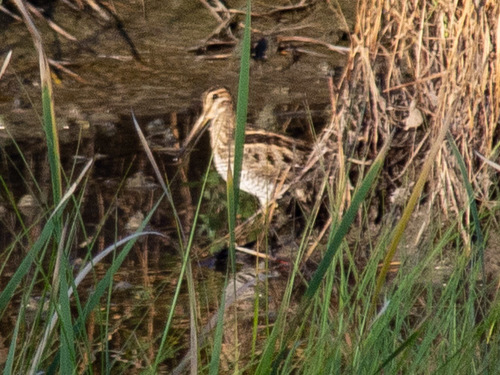 Latham's Snipe
In breve
Il segno distintivo più affidabile tra Solitary Snipe e Latham's Snipe è la struttura generale e il comportamento: Solitary Snipe è decisamente più robusto con zampe più corte e mostra un volo più lento e pesante, mentre Latham's Snipe è più snello e con zampe più lunghe, con un volo di snipe più tipico. Entrambe le specie hanno un piumaggio criptico marrone, nero e bianco, e sono molto simili in dimensioni, ma la corporatura più pesante e le zampe relativamente corte di Solitary Snipe sono distintive quando viste bene. In viste perpendicolari o in volo, concentrati sulla forma del corpo e sulla lunghezza delle zampe piuttosto che sui dettagli sottili del piumaggio, poiché entrambe le specie condividono schemi simili a strisce e barre. La separazione sul campo può essere difficile, specialmente in condizioni di scarsa illuminazione o a distanza, quindi le differenze strutturali sono fondamentali.
Consigli di identificazione
- La struttura è fondamentale: Solitary Snipe è più robusto e con un corpo più pesante, con zampe visibilmente più corte per uno snipe. Latham's Snipe è più snello e con zampe più lunghe, con un profilo di snipe più tipico. Questo è più evidente quando gli uccelli sono in piedi o camminano.
- Comportamento in volo: Solitary Snipe ha un volo lento, pesante e diretto, spesso tornando rapidamente nel riparo. Latham's Snipe si alza più rapidamente e con un volo più leggero e a zigzag tipico degli snipe Gallinago.
- Colore e lunghezza delle zampe: Solitary Snipe ha zampe giallo-oliva a giallo-marrone che sembrano corte per uno snipe; le zampe di Latham's Snipe sono più lunghe e più tipiche per il gruppo, ma il colore non è un forte separatore.
- Becco: Entrambi hanno becchi lunghi, dritti e abbastanza snelli; la forma e la lunghezza del becco non sono affidabilmente diverse sul campo.
- Schema della parte superiore: Entrambe le specie hanno parti superiori pesantemente striate e lineate con marrone, nero e bianco, ma i bordi delle piume di Solitary Snipe formano linee più distinte lungo la schiena. Questo è sottile e non sempre visibile.
- Faccia e petto: Solitary Snipe mostra una faccia biancastra e un petto marrone-ginger; Latham's Snipe ha uno schema facciale simile ma è descritto in modo meno distintivo. Usare con cautela.
- Pancia e fianchi: Entrambi hanno pance bianche con barre marroni sui fianchi. Questo non è un separatore.
- Comportamento quando si alzano in volo: Solitary Snipe spesso si accovaccia e si affida al camuffamento, alzandosi solo quando si avvicina e poi volando lentamente e tornando nel riparo. Latham's Snipe è più propenso a sollevarsi a una maggiore distanza e volare più lontano.
- Contesto dell'habitat: Se in un palude di alta quota o in una valle fluviale sopra la linea degli alberi nel Palearctico, è più probabile che si tratti di Solitary Snipe. In zone umide di pianura o migratorie in Asia orientale o Australasia, è più probabile Latham's Snipe.
- Vocalizzazioni: Se senti un 'kensh' rauco o un richiamo 'chok-a-chok-a' che si diffonde lontano, o il tamburellare delle piume della coda in display aereo, è Solitary Snipe. Le chiamate di Latham's Snipe non sono descritte qui.
- Variazione delle sottospecie: Solitary Snipe japonica è di un rosso più ricco sopra, ma questo è sottile e non è un segno distintivo primario.
- Sesso e età: Le femmine di entrambe le specie sono leggermente più grandi, ma questo non è utile sul campo. Non sono state notate differenze specifiche di età nel pattern delle ali o nel volo.
- Trappole del piumaggio: Entrambe le specie sono estremamente simili nel piumaggio e possono essere confuse con altri snipe Gallinago; la struttura e il comportamento sono più affidabili del colore o del pattern.
- Contesto stagionale: Solitary Snipe è residente o migrante altitudinale nel Palearctico; Latham's Snipe è un migrante a lungo raggio, quindi il tempismo e la posizione possono aiutare.
- Quando hai dubbi: Se il piumaggio è ambiguo, fai affidamento sul comportamento (struttura e volo) e sul contesto dell'habitat per avere la migliore possibilità di un'identificazione corretta.
Taglia
Entrambe le specie sono molto simili in lunghezza, con Solitary Snipe che misura 29–31 cm e Latham's Snipe 29–33 cm. Latham's Snipe ha una massa corporea media registrata di circa 153 g, ma entrambe sovrappongono ampiamente in peso (Latham's: 150–230 g). La dimensione da sola non è un separatore affidabile sul campo, ma Solitary Snipe appare più pesante e robusto, mentre Latham's Snipe è di costruzione media e con ali leggermente più lunghe. Le femmine di entrambe le specie possono essere più grandi, ma questo non è utile per l'identificazione sul campo.
Piumaggio
Non sono documentate differenze specifiche di età nel pattern delle ali o delle ali superiori tra queste due specie nelle fonti disponibili, quindi ci si concentra sul piumaggio e sulla struttura complessivi. Entrambi mostrano parti superiori criptiche e striate con toni marroni, neri e buff, e entrambi hanno pance bianche con barre sui fianchi. Solitary Snipe ha un petto marrone-ginger e una faccia biancastra, con strisce marroni medie e bordi delle piume bianchi che formano linee lungo la schiena. Latham's Snipe è descritto come avente uno schema criptico simile, senza segni distintivi unici notati per i giovani o gli immaturi. Le sottospecie di Solitary Snipe (in particolare japonica) possono apparire di un rosso più ricco sopra, ma questo è sottile e non è un segno distintivo primario. In sintesi, il piumaggio non è affidabilmente diagnostico; la struttura e il comportamento sono più utili.
Comportamento
Solitary Snipe è notevolmente avvicinabile e tende ad accovacciarsi e a fare affidamento sul camuffamento quando viene disturbato, spesso tornando nella vegetazione palustre dopo un breve volo lento. Il suo volo è pesante e relativamente lento per uno snipe. Latham's Snipe, pur non essendo specificamente descritto nelle note sul comportamento, è implicato avere un volo e un comportamento di snipe più tipici, che è più veloce e meno pesante di Solitary Snipe. Entrambi si nutrono sondando il fango con i loro lunghi becchi, ma la tendenza di Solitary Snipe a rimanere immobile e il suo volo lento sono distintivi.
Habitat
Solitary Snipe nidifica in paludi di montagna ad alta quota e valli fluviali sopra la linea degli alberi (2.400–5.000 m), e utilizza paludi e acquitrini simili a basse altitudini al di fuori della stagione di nidificazione. Latham's Snipe è migratorio lungo la rotta migratoria dell'Asia orientale–Australasia e nidifica nel Giappone settentrionale (Hokkaido) e migra in Australia, utilizzando una varietà di habitat umidi. Entrambi possono essere trovati in paludi e acquitrini, ma Solitary Snipe è più strettamente legato a luoghi del Palearctico settentrionale o ad alta quota, mentre Latham's Snipe è più probabile che si trovi in zone umide di pianura o di sosta migratoria in Asia orientale e Australasia.
Voce
Solitary Snipe emette un richiamo rauco 'kensh' quando si alza in volo e un richiamo 'chok-a-chok-a' che si diffonde lontano durante il display, oltre a un suono di tamburellare prodotto dalle piume della coda in display aereo. Nessuna vocalizzazione specifica è descritta per Latham's Snipe nelle note disponibili, quindi le differenze vocali non sono un separatore affidabile a meno che non si senta il display di Solitary Snipe.