

Soft-plumaged Petrel vs Parkinson's Petrel
Pterodroma mollis contro Procellaria parkinsoni
Fai un quiz con Soft-plumaged Petrel e Parkinson's Petrel
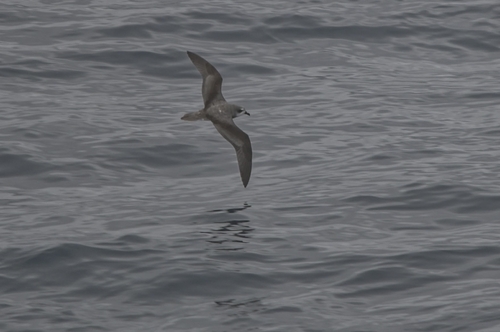 Soft-plumaged Petrel
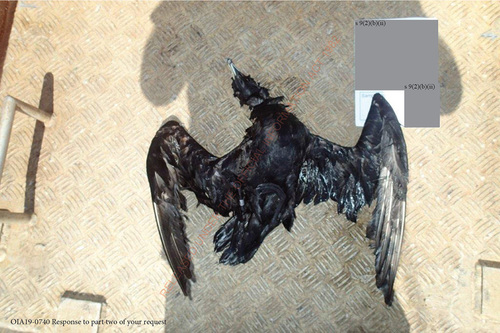 Parkinson's Petrel
In breve
Il segno distintivo più affidabile per separare il Soft-plumaged Petrel dal Parkinson's Petrel è il colore complessivo del piumaggio: il Soft-plumaged è distintamente bicolore con un lato inferiore bianco e una parte superiore scura, mentre il Parkinson's Petrel è completamente nero. In volo, il Soft-plumaged Petrel mostra un forte contrasto tra le parti inferiori bianche e le ali inferiori scure, oltre a un volto bianco con una macchia scura intorno all'occhio, a differenza del Parkinson's uniformemente scuro. Anche le differenze strutturali aiutano: il Soft-plumaged è molto più leggero e delicato, con una coda appuntita e ali strette, mentre il Parkinson's è più pesante, con un becco più robusto e ali larghe. Se vedi del bianco sul corpo o sul volto, è un Soft-plumaged; se l'uccello è tutto nero, è un Parkinson's.
Consigli di identificazione
- Il colore complessivo è diagnostico: Il Soft-plumaged Petrel è sempre bicolore (scuro sopra, bianco sotto), mentre il Parkinson's Petrel è uniformemente nero. Se vedi del bianco sull'uccello, non è un Parkinson's.
- Schema del volto: Il Soft-plumaged mostra un volto bianco con una macchia scura intorno all'occhio e guance/collo bianchi; il Parkinson's ha un volto nero senza aree chiare.
- Ali inferiori e pancia: Il Soft-plumaged ha una pancia bianca e ali inferiori scure; il Parkinson's è nero in tutto, comprese le ali inferiori e la pancia.
- Colore e forma del becco: Il Soft-plumaged ha un becco nero, affilato e ricurvo di circa 25–32 mm; il Parkinson's ha un becco più robusto, completamente nero con alcune aree chiare, ma la differenza è sottile a distanza.
- Colore delle gambe: Il Soft-plumaged ha gambe rosa con nero sulle membrane esterne e sulle dita; il Parkinson's ha gambe completamente nere. Questo è più visibile quando gli uccelli sono seduti sull'acqua o in volo ravvicinato.
- Dimensioni e struttura: Il Parkinson's è molto più grande e pesante (oltre il doppio della massa), con un'apertura alare più lunga e un corpo più massiccio. Il Soft-plumaged è più delicato, con ali strette e una coda appuntita.
- Forma della coda: Il Soft-plumaged ha una coda appuntita, soprattutto evidente in volo; la coda del Parkinson's è meno appuntita e appare più squadrata a causa della sua massa.
- Stile di volo: Il Soft-plumaged è agile e galleggiante, con battiti d'ali rapidi e leggeri; il Parkinson's è più potente e diretto, riflettendo la sua costruzione più pesante.
- Confusione con morfologia scura: Anche i Soft-plumaged Petrels di morfologia scura mantengono un certo contrasto e non appaiono mai completamente neri. Se l'uccello è davvero tutto nero, è un Parkinson's.
- Confusione giovanile: Nessun piumaggio di età o stagionale di entrambe le specie assomiglia all'altro; il giovanile Soft-plumaged è ancora bicolore, e il giovanile Parkinson's è tutto nero.
- Habitat/areale: Se visto vicino al Golfo di Hauraki in Nuova Zelanda durante la stagione di riproduzione (ott–giugno), è più probabile che sia un Parkinson's, ma conferma sempre con il piumaggio.
- Voce: Il Soft-plumaged può essere rumoroso con gemiti e squeaks, ma entrambi sono solitamente silenziosi in mare; non fare affidamento sulla voce per la separazione.
- Dimensione del becco a distanza: Se puoi vedere che il becco è proporzionalmente grande e spesso, questo supporta il Parkinson's, ma fai attenzione agli effetti dell'angolo e della distanza.
- Sull'acqua: Il Parkinson's apparirà più grande, massiccio e scuro; il Soft-plumaged si trova più in alto e appare più delicato, con evidenti parti inferiori bianche.
- Fallback della checklist: Se non sei sicuro, cerca del bianco sull'uccello (soprattutto sul volto o sulla pancia)—questo esclude il Parkinson's Petrel.
Taglia
Il Soft-plumaged Petrel è notevolmente più piccolo e leggero, con una massa corporea di circa 300g [wikidata], rispetto al Parkinson's Petrel, che è più di due volte più pesante (maschi ~720g, femmine ~680g) [wikipedia]. Il Parkinson's ha anche un'apertura alare molto più lunga (media 115 cm) e una lunghezza complessiva (46 cm), rendendolo un uccello visibilmente più massiccio e robusto in volo o sull'acqua. Il Soft-plumaged Petrel appare più delicato, con una costruzione più leggera e proporzioni più fini.
Piumaggio
Non c'è sovrapposizione nel piumaggio complessivo: il Soft-plumaged Petrel (tutte le età) è nettamente bicolore, con parti superiori grigio scuro, un lato inferiore bianco e un volto bianco sorprendente con una macchia scura intorno all'occhio e guance e collo bianchi [wikipedia]. Le ali inferiori sono grigio scuro, in contrasto con la pancia bianca. C'è anche una morfologia scura, ma anche questi uccelli mantengono un certo contrasto e non appaiono mai completamente neri. Il Parkinson's Petrel (tutte le età) è completamente nero, compresi testa, corpo, ali e coda, con solo alcune aree chiare sul becco [wikipedia]. Anche le sue gambe sono nere, in contrasto con le gambe rosa del Soft-plumaged. Nessun piumaggio di età o stagionale in entrambe le specie assomiglia all'altro: anche i giovanili Soft-plumaged Petrels sono bicolori, e il Parkinson's non mostra mai bianco sul corpo o sul volto.
Comportamento
Il Soft-plumaged Petrel è descritto come avente ali strette e una coda appuntita, conferendogli uno stile di volo più galleggiante e agile. Il Parkinson's Petrel, essendo più pesante e massiccio, vola con ali più larghe e un volo più potente e diretto. Sull'acqua, il Parkinson's apparirà più grande e imponente, mentre il Soft-plumaged è più delicato e si trova più in alto. Entrambi sono pelagici e raramente visti vicino alla terra, tranne che nei siti di riproduzione.
Habitat
Entrambe le specie sono pelagiche e possono essere viste lontano dalla costa, ma il Parkinson's Petrel è endemico come riproduttore nel Golfo di Hauraki della Nuova Zelanda e nelle isole adiacenti, ed è più probabile incontrarlo vicino alla Nuova Zelanda o attraverso il Sud Pacifico [wikipedia]. Il Soft-plumaged Petrel ha una distribuzione più ampia nell'oceano meridionale. Se visto vicino al Golfo di Hauraki, specialmente da ottobre a giugno, è più probabile che sia un Parkinson's, ma il piumaggio è sempre più affidabile dell'areale per separare questi due in mare.
Voce
Il Soft-plumaged Petrel è descritto come rumoroso, con gemiti di media altezza e squeaks acuti [wikipedia]. Non sono fornite informazioni sulla vocalizzazione in campo per il Parkinson's Petrel, e entrambi sono tipicamente silenziosi in mare. La voce non è un separatore affidabile in condizioni di campo.
Soft-plumaged Petrel · Parkinson's Petrel · I miei uccelli difficili