

Oca delle nevi vs White Ibis
Anser caerulescens contro Eudocimus albus
Fai un quiz con Oca delle nevi e White Ibis
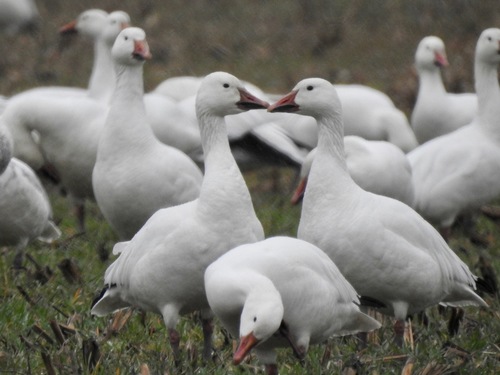 Oca delle nevi
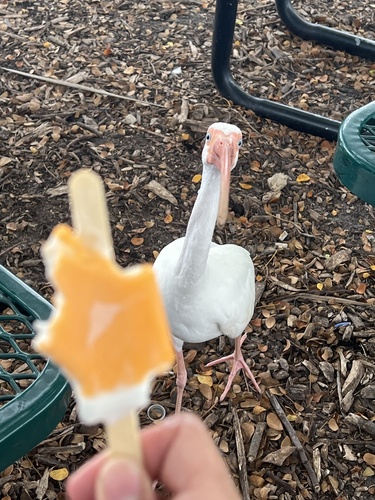 White Ibis
In breve
Il segno di campo più affidabile per separare l'Oca delle nevi dal White Ibis è la struttura: l'Oca delle nevi è un'oca massiccia e corpulenta con un collo corto e un becco rosa dritto e robusto, mentre il White Ibis è un trampoliere più snello e lungo con un becco lungo e ricurvo di rosso-arancio. In volo, entrambi mostrano punte nere delle ali che contrastano con le ali bianche, ma il nero dell'Oca delle nevi è limitato alle primarie ed è visibile in entrambe le forme, mentre le punte nere del White Ibis sono solitamente visibili solo dal basso o in volo. Gli uccelli immaturi possono essere confusi: le oche delle nevi juvenile (soprattutto la forma blu) sono grigie opache con poco bianco, ma hanno sempre una forma simile a un'oca e un becco rosa; i juvenile White Ibis sono marroni con parti inferiori bianche e un becco pallido e ricurvo. L'habitat e il comportamento aiutano anche: l'Oca delle nevi è quasi sempre in stormi su campi aperti o acqua, mentre il White Ibis viene visto mentre cerca cibo nelle paludi, nelle zone umide o nei prati, spesso in gruppi sciolti.
Consigli di identificazione
- Forma e colore del becco: L'Oca delle nevi ha un becco rosa dritto e robusto con una macchia nera; il White Ibis ha un becco lungo, snello e ricurvo di rosso-arancio. Questo è il modo più veloce per separarli a qualsiasi età.
- Zampe: Entrambi hanno zampe rossastre o rosate da adulti, ma quelle del White Ibis sono più lunghe e più slanciate, spesso visibili ben oltre la coda in volo o quando si muovono.
- Struttura del corpo: L'Oca delle nevi è compatta, corpulenta e con collo corto; il White Ibis è snello, con zampe lunghe e collo lungo, con una struttura più delicata.
- Silhouette in volo: L'Oca delle nevi vola con il collo ritratto e i piedi appena visibili oltre la coda; il White Ibis vola con collo e zampe completamente distesi, dando un profilo allungato simile a quello di un airone.
- Schema delle ali in volo: Entrambi mostrano punte nere delle ali che contrastano con le ali bianche, ma il nero dell'Oca delle nevi è audace e visibile dall'alto e dal basso, mentre il nero del White Ibis è per lo più visibile dal basso ed è meno esteso.
- Confusione giovanile: Le oche delle nevi immature (soprattutto la forma blu) sono grigio chiaro con poco bianco, ma hanno sempre una forma simile a un'oca e un becco corto e dritto. I juvenile White Ibis sono marroni sopra con parti inferiori bianche e un becco pallido e ricurvo.
- Postura di riposo: L'Oca delle nevi si siede eretta o si muove a passo incerto sulla terra; il White Ibis spesso sta in piedi o cammina con la testa bassa, cercando con il suo becco.
- Colore della testa: L'Oca delle nevi adulta (forma bianca) ha una testa bianca pura; la forma blu ha una testa e un collo bianchi su un corpo scuro. L'adulto White Ibis ha una testa bianca con pelle facciale rosata, e durante la stagione degli amori, il becco e le zampe diventano di un rosa intenso o rossastro.
- Macchia 'grin' del becco: Solo l'Oca delle nevi mostra una macchia scura 'grin' lungo il bordo tagliente del becco, visibile da vicino.
- Habitat: L'Oca delle nevi si trova in campi aperti, laghi e terreni agricoli; il White Ibis si trova in paludi, zone umide e acqua bassa, raramente lontano da habitat umidi.
- Comportamento di gruppo: Le oche delle nevi formano stormi densi e rumorosi; i White Ibis sono più raggruppati in modo sciolto e più silenziosi.
- Vocalizzazioni: Il forte starnazzare di uno stormo indica l'Oca delle nevi; il silenzio o i grugniti soft suggeriscono il White Ibis.
- Comportamento alimentare: Pascolare o cercare cibo sulla terra o in acqua è tipico dell'Oca delle nevi; cercare nel fango o in acqua bassa con un becco ricurvo è tipico del White Ibis.
- Contesto geografico: Nel sud-est degli Stati Uniti, entrambi possono verificarsi, ma il White Ibis è molto più probabile nelle paludi e nelle zone umide urbane, mentre l'Oca delle nevi è più probabile in aree agricole aperte durante la migrazione o l'inverno.
- Segni stagionali: Il becco e le zampe del White Ibis diventano più luminosi durante la stagione degli amori, ma questo è sottile rispetto alle differenze strutturali.
Taglia
L'Oca delle nevi è molto più pesante e corpulenta, con una massa media da adulto di 2630g rispetto ai 900g del White Ibis. L'oca è più alta e appare più robusta, con un collo e un corpo spessi, mentre il White Ibis è più snello, con zampe lunghe e un corpo proporzionalmente più piccolo. In un confronto diretto, l'Oca delle nevi sembra quasi due volte più massiccia e molto più compatta, mentre il White Ibis è esile e delicato in confronto.
Piumaggio
- Uccelli juvenile/immaturi: Le oche delle nevi juvenile (soprattutto la forma blu) sono grigio ardesia nel complesso con poco o nessun bianco sulla testa, collo o pancia, e hanno becchi e zampe rosa più opachi. I juvenile White Ibis sono per lo più marroni sopra con parti inferiori bianche e un sopracciglio pallido e già ricurvo, zampe grigie che diventano arancioni.
- Adulti: L'Oca delle nevi adulta (forma bianca) è bianca pura con primarie nere (punte delle ali), visibili a riposo e in volo; gli adulti della forma blu hanno un corpo grigio-blu con testa e collo bianchi. L'adulto White Ibis è tutto bianco con punte nere delle ali visibili solo in volo (non a riposo), e un becco e zampe ricurve di rosso-arancio.
- In volo: Entrambe le specie mostrano punte nere delle ali che contrastano con le ali bianche, ma il nero dell'Oca delle nevi è audace e ovvio dall'alto e dal basso, mentre il nero del White Ibis è solitamente visibile solo dal basso o al bordo posteriore. L'Oca delle nevi ha una forma delle ali più compatta e 'simile a un'oca', mentre il White Ibis ha ali più lunghe e strette e vola con collo e zampe distesi.
Comportamento
Le oche delle nevi sono altamente gregarie, solitamente viste in grandi stormi densi su campi aperti, laghi o terreni agricoli, nutrendosi di cereali o pascolando. Camminano con un passo incerto e raramente cercano cibo. I White Ibis sono anche sociali ma spesso cercano cibo in gruppi più sciolti, camminando con un movimento deliberato e di ricerca in acqua bassa, fango o erba umida, usando i loro lunghi becchi per cercare prede. In volo, le oche delle nevi formano formazioni a V strette o grandi stormi vorticosi, mentre i White Ibis volano in linee o V sciolti, spesso con volo ondulato o planante e colli distesi.
Habitat
L'Oca delle nevi si trova in habitat aperti: campi agricoli, laghi e paludi, specialmente durante la migrazione e l'inverno. Evitano le zone umide boschive o densamente vegetate. Il White Ibis è un trampoliere classico, frequentando paludi, zone umide, stagni poco profondi e persino prati o campi da golf vicino all'acqua, specialmente nel sud-est degli Stati Uniti e lungo la costa del Golfo. Vedere un uccello cercare cibo nel fango o in acqua bassa favorisce fortemente il White Ibis; un uccello che pascola o si riposa in un campo asciutto o su acqua aperta è quasi certamente un'Oca delle nevi.
Voce
L'Oca delle nevi è molto vocale, con forti richiami nasali che si sentono spesso da stormi anche a distanza. Il White Ibis è generalmente silenzioso, raramente vocalizzando tranne per grugniti bassi o gracchi nel nido o in volo, e non è probabile che venga udito a distanza.