

Snares Snipe vs Subantarctic Snipe
Coenocorypha huegeli contro Coenocorypha aucklandica
Fai un quiz con Snares Snipe e Subantarctic Snipe
 Snares Snipe
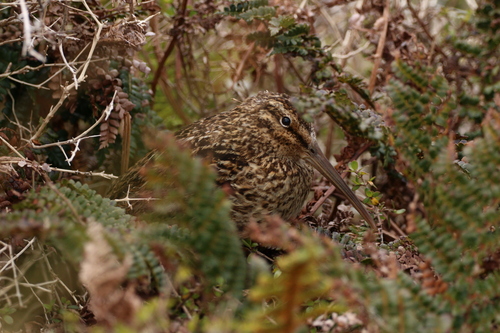 Subantarctic Snipe
In breve
Il segno distintivo più affidabile tra Snares Snipe e Subantarctic Snipe è la barratura delle parti inferiori: Snares Snipe mostra una forte barratura su tutta la parte inferiore, mentre Subantarctic Snipe non presenta questa barratura totale. Entrambi hanno un motivo criptico, sono snipes robusti con una struttura simile, ma Snares Snipe tende ad avere un tono generale più rossastro e, nelle femmine, gambe olivastre. Differenze sottili nel contrasto dorsale e nella maculatura delle copritrici primarie possono aiutare, specialmente in mano o in viste ravvicinate, ma sono difficili da notare a distanza. I giovani di Snares Snipe appaiono più opachi, il che può sovrapporsi alla colorazione generale di Subantarctic Snipe.
Consigli di identificazione
- Barratura delle parti inferiori (tutte le età): Snares Snipe mostra una forte barratura su tutta la parte inferiore, che è unica nel suo gruppo. Se vedi uno snipe con parti inferiori completamente barrate, è Snares Snipe. Subantarctic Snipe non presenta questa caratteristica.
- Tono di colore generale: Snares Snipe è generalmente più rossastro, specialmente rispetto a Subantarctic Snipe, che è più marrone. Questo è sottile e meglio utilizzato in buona luce.
- Contrasto dorsale (adulti, specialmente maschi): I maschi di Snares Snipe hanno segni dorsali con un contrasto più forte rispetto a Subantarctic Snipe. Questo è sottile e potrebbe richiedere viste ravvicinate.
- Strisce facciali e sulla corona: Entrambi hanno strisce longitudinali, ma quelle di Snares Snipe sono più pronunciate. Usa questo solo come segno di supporto.
- Colore delle gambe (femmine): Le femmine di Snares Snipe hanno gambe olivastre, mentre il colore delle gambe di Subantarctic Snipe non è specificato ma non è notato come olivastro. Questo è utile solo se il sesso può essere determinato.
- Maculatura delle copritrici primarie (femmine): Le femmine di Snares Snipe hanno maculature sui bordi interni delle copritrici primarie, assenti nei maschi e non descritte per Subantarctic Snipe. Questo è un segno sottile e difficile da vedere sul campo.
- Opacità dei giovani: I giovani di Snares Snipe sono più opachi degli adulti, ma mostrano ancora la barratura delle parti inferiori. I giovani di Subantarctic Snipe non sono descritti, ma l'assenza di barratura rimane diagnostica.
- Struttura e display della coda: Snares Snipe ha penne della coda esterne strette e irrigidite per il suo display aereo. Se osservi il volo di display ruggente, indica Snares Snipe.
- Lunghezza del becco: Le femmine di Snares Snipe hanno becco leggermente più lungo (circa 57 mm) rispetto ai maschi (55 mm), ma entrambi si sovrappongono a Subantarctic Snipe (circa 5 cm). Non è affidabile sul campo.
- Dimensione: Le femmine di Snares Snipe sono leggermente più pesanti di Subantarctic Snipe, ma questo non è un segno distintivo a meno che gli uccelli non siano affiancati.
- Habitat e posizione: Se sei sulle Snares Islands, stai vedendo Snares Snipe. Altrove nelle isole subantartiche, è probabile che sia Subantarctic Snipe.
- Comportamento alimentare: Entrambe le specie si nutrono cercando invertebrati e si comportano in modo simile a terra.
- Voce e display: Solo Snares Snipe è nota per il display aereo ruggente. Se senti o vedi questo, è diagnostico.
- Sfide nella determinazione del sesso: Nessuna caratteristica singola separa affidabilmente i sessi sul campo; sono necessarie combinazioni di piumaggio e dimensioni per i ricercatori, ma non sono pratiche per gli osservatori di uccelli.
- Trappole del piumaggio: Entrambi hanno un motivo criptico e possono apparire simili a un primo sguardo. Concentrati sulla barratura delle parti inferiori e, se possibile, sul tono rossastro per evitare confusione.
Taglia
Entrambe le specie sono snipes piccoli e robusti con proporzioni simili. La Subantarctic Snipe pesa in media circa 108,65 g [wikidata], mentre le femmine di Snares Snipe sono leggermente più pesanti (circa 116 g) rispetto ai maschi (101 g) [wikipedia]. La lunghezza è simile, con Subantarctic Snipe che raggiunge circa 23 cm. Queste differenze sono sottili e non affidabili sul campo a meno che gli uccelli non siano affiancati, ma le femmine di Snares Snipe possono apparire marginalmente più robuste.
Piumaggio
- Giovane/Immatura: I giovani di Snares Snipe sono più opachi degli adulti, ma mostrano ancora la caratteristica chiave della barratura totale delle parti inferiori, che non è presente in Subantarctic Snipe. Non è descritto alcun motivo distintivo per le ali o le parti superiori dei giovani di entrambe le specie, quindi la separazione si basa sulla barratura delle parti inferiori e sul tono generale.
- Adulto: Snares Snipe si distingue per avere l'intera superficie inferiore barrata, una caratteristica unica nel suo gruppo. Il suo piumaggio è generalmente più rossastro, con forti strisce longitudinali sul viso e sulla corona. Subantarctic Snipe è marrone, maculato di nero e marrone rossastro, ma manca della barratura estesa delle parti inferiori. Entrambi hanno motivi dorsali criptici, ma i maschi di Snares Snipe mostrano più contrasto sopra, e le femmine hanno gambe olivastre e copritrici primarie interne maculate (rispetto a meno marcate in Subantarctic Snipe).
Comportamento
Entrambe le specie si nutrono cercando nel terreno e nella lettiera di foglie per invertebrati e sono generalmente riservate. Snares Snipe è nota per il suo display aereo notturno 'hakawai', che produce un suono ruggente utilizzando penne della coda esterne modificate. Questo display non è specificamente descritto per Subantarctic Snipe nelle note, quindi potrebbe essere meno prominente o assente.
Habitat
Entrambe le specie sono limitate alle isole subantartiche della Nuova Zelanda e occupano una copertura vegetale densa, ma Snares Snipe è endemica delle Snares Islands, mentre Subantarctic Snipe si trova su altre isole subantarctiche (come le Auckland Islands). Sul campo, la posizione è un forte indizio: Snares Snipe si trova solo sulle Snares, mentre Subantarctic Snipe è assente da lì.
Voce
Snares Snipe è nota per il suo suono ruggente distintivo durante i display aerei notturni, prodotto da penne della coda modificate. Non sono descritte differenze vocali o di display per Subantarctic Snipe nelle note.
Snares Snipe · Subantarctic Snipe · I miei uccelli difficili