

Gabbiano roseo vs Sooty Gull
Chroicocephalus genei contro Ichthyaetus hemprichii
Fai un quiz con Gabbiano roseo e Sooty Gull
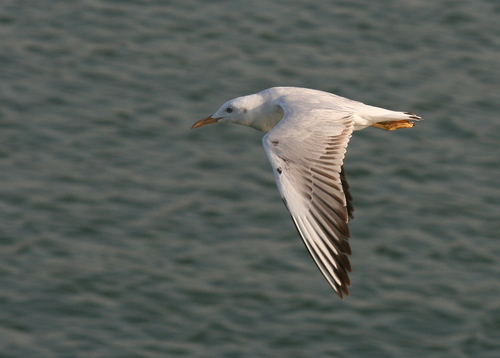 Gabbiano roseo
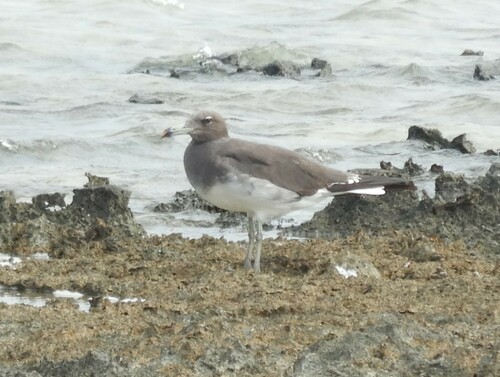 Sooty Gull
In breve
Il segno distintivo più affidabile tra Gabbiano roseo e Sooty Gull è l'oscurità complessiva del piumaggio: gli adulti di Sooty Gull sono notevolmente scuri sopra con un ventre bianco in contrasto, mentre il Gabbiano roseo è grigio pallido e bianco in tutto. I Gabbiani rosei immaturi mostrano una banda nera sulla coda e aree scure sulle ali, ma non si avvicinano mai alle tonalità scure di Sooty Gull. Strutturalmente, il Gabbiano roseo ha un becco lungo, sottile e rosso e un collo lungo, conferendogli un aspetto distintivo 'elegante', mentre Sooty Gull è più robusto con un becco più pesante. È possibile un sovrapposizione di habitat lungo alcune coste, ma Sooty Gull è strettamente costiero e tropicale, mentre il Gabbiano roseo si trova più spesso in lagune e estuari attorno al Mediterraneo e all'oceano indiano nord-occidentale.
Consigli di identificazione
- Oscurità del Piumaggio: L'adulto di Sooty Gull è di un marrone scuro-nerastro sopra con un ventre bianco, mentre il Gabbiano roseo è grigio pallido sopra e bianco sotto. Questo contrasto è visibile a tutte le età.
- Schema Giovanile/Immature: Il Gabbiano roseo del primo anno mostra una banda terminale nera sulla coda e aree scure sulle ali, ma rimane complessivamente pallido; gli immaturi di Sooty Gull sono scuri e non mostrano mai una banda nera pulita su una base bianca.
- Forma e Colore del Becco: Il Gabbiano roseo ha un becco lungo, sottile e rosso scuro che appare leggermente curvato verso il basso e si assottiglia a una punta fine; Sooty Gull ha un becco più pesante e corto, spesso con una punta gialla, e non appare mai fine o rosso.
- Colore delle Zampe: Il Gabbiano roseo ha zampe rosso scuro, mentre le zampe di Sooty Gull sono più opache e non così vivaci.
- Forma del Collo e della Testa: Il Gabbiano roseo appare con collo lungo e testa piccola, con un profilo gentile ed allungato. Sooty Gull ha un collo più spesso e un aspetto più massiccio.
- Colore della Testa: L'adulto di Gabbiano roseo ha una testa bianca tutto l'anno (a volte con una leggera sfumatura rosa in estate), mentre la testa di Sooty Gull è scura o grigia, fondendosi con il mantello.
- Schema Primario in Volo: Il Gabbiano roseo mostra punte nere sulle ali in contrasto con le ali superiori grigie pallide; Sooty Gull ha ali superiori uniformemente scure con un bordo bianco, con molto meno contrasto.
- Colore del Petto: In estate, il Gabbiano roseo può mostrare una leggera sfumatura rosa sul petto, mai vista in Sooty Gull.
- Schema della Coda: Il Gabbiano roseo giovanile ha una distintiva banda nera sulla coda; Sooty Gull non mostra questa caratteristica a nessuna età.
- Habitat: Sooty Gull è strettamente costiero e tropicale, solitamente su isole coralline o spiagge sabbiose; il Gabbiano roseo si trova più spesso in lagune, estuari e talvolta laghi interni.
- Comportamento: Sooty Gull è spesso visto mentre si nutre intorno a barche da pesca e si ciba di carcasse o uova di uccelli marini; il Gabbiano roseo è più probabile che venga visto mentre si nutre di pesce immergendosi o sondando il fango.
- Dimensioni e Struttura: Il Gabbiano roseo è più snello ed elegante, con un collo e un becco più lunghi; Sooty Gull è più massiccio e con un becco più pesante.
- Colore dell'Iride: Il Gabbiano roseo ha un'iride gialla, che può essere visibile a distanza ravvicinata; il colore dell'iride di Sooty Gull non è specificato ma non è un segno distintivo.
- Distribuzione: Se visto lontano dai tropici o lontano dalle coste del Mar Rosso/Oceano Indiano, Sooty Gull è altamente improbabile; il Gabbiano roseo è più probabile nel Mediterraneo e nell'oceano indiano nord-occidentale, a volte vagando più lontano.
- Insidie: I Gabbiani rosei immaturi possono apparire più scuri degli adulti ma non si avvicinano mai alle tonalità scure di Sooty Gull. Controlla sempre l'oscurità complessiva, la forma del becco e l'habitat insieme.
Taglia
Il Gabbiano roseo pesa in media circa 255,5 g, rendendolo un gabbiano di dimensioni medie, leggermente più grande del Gabbiano comune. La massa di Sooty Gull non è specificata, ma è generalmente simile in dimensioni o leggermente più grande, con una struttura più robusta. Sul campo, il Gabbiano roseo appare più allungato e delicato, con un collo e un becco più lunghi, mentre Sooty Gull è più solido e con ali più larghe.
Piumaggio
I Gabbiani rosei giovanili e del primo anno hanno una distintiva banda terminale nera sulla coda e aree scure sulle ali, che possono essere confuse con altri gabbiani immaturi ma non con le parti superiori marrone scuro uniforme di Sooty Gull di qualsiasi età. Gli adulti di Gabbiano roseo sono grigi pallidi sopra, con testa e parti inferiori bianche, punte nere primarie e in estate, una leggera sfumatura rosa sul petto. Il loro becco e le zampe sono rosso scuro. Gli adulti di Sooty Gull sono di un marrone scuro-nerastro sopra (mantello, schiena e ali superiori) con un ventre e parti inferiori bianche in netto contrasto. La testa è scura o grigia, e il becco è più pesante, spesso con una punta gialla. Gli immaturi di Sooty Gull sono anch'essi scuri ma possono mostrare più macchie; non mostrano mai l'aspetto chiaro e pallido o le tonalità rosate del Gabbiano roseo. In volo, Sooty Gull mostra un'ala superiore scura con un bordo bianco, mentre il Gabbiano roseo è pallido con punte nere sulle ali.
Comportamento
Il Gabbiano roseo è spesso visto mentre si nutre immergendosi e tuffandosi sull'acqua, a volte sondando il fango, ed è gregario in inverno. Sooty Gull è un predatore e spazzino, frequentemente visto intorno a barche da pesca, nutrendosi di scarti e preda di uova e pulcini di altri uccelli marini. Sooty Gull tende ad essere più costiero ed è spesso visto oziare su isole coralline o spiagge, mentre il Gabbiano roseo è più probabile che venga visto nell'entroterra o negli estuari.
Habitat
Il Gabbiano roseo nidifica e si nutre in lagune costiere, laghi, estuari e talvolta praterie, principalmente attorno al Mediterraneo e all'oceano indiano nord-occidentale, ed è raramente lontano dalla terra. Sooty Gull è strettamente costiero, nidificando su isole coralline e foraggiando lungo le coste tropicali e subtropicali del Mar Rosso, Mare Arabico e Oceano Indiano. Sooty Gull non si trova quasi mai nell'entroterra, mentre il Gabbiano roseo può essere visto in laghi e lagune interne.