

Gaviota Picofina vs Gaviota Cejiblanca
Chroicocephalus genei frente a Ichthyaetus hemprichii
Juega un quiz con Gaviota Picofina y Gaviota Cejiblanca
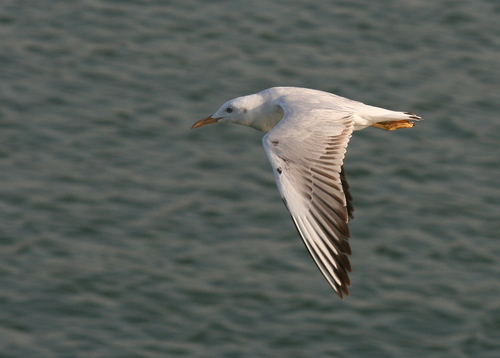 Gaviota Picofina
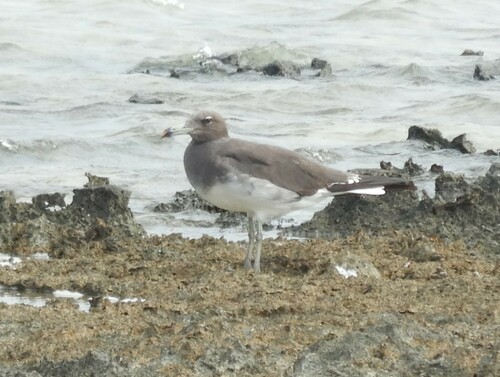 Gaviota Cejiblanca
En breve
La marca de campo más confiable entre la Gaviota Picofina y la Gaviota Cejiblanca es la oscuridad general del plumaje: los adultos de Gaviota Cejiblanca son notablemente oscuros por encima con un vientre blanco contrastante, mientras que la Gaviota Picofina es de un gris pálido y blanco en general. Las Gaviotas Picofinas inmaduras muestran una banda negra en la cola y áreas oscuras en las alas, pero nunca se acercan a los tonos oscuros profundos de la Gaviota Cejiblanca. Estructuralmente, la Gaviota Picofina tiene un pico largo, delgado y rojo y un cuello largo, lo que le da un aspecto distintivo de 'elegante', mientras que la Gaviota Cejiblanca es más robusta con un pico más pesado. Es posible la superposición de hábitats a lo largo de algunas costas, pero la Gaviota Cejiblanca es estrictamente costera y tropical, mientras que la Gaviota Picofina se encuentra más a menudo en lagunas y estuarios alrededor del Mediterráneo y el noroeste del Océano Índico.
Consejos de identificación
- Oscuridad del Plumaje: La Gaviota Cejiblanca adulta es de un marrón oscuro-negro por encima con un vientre blanco, mientras que la Gaviota Picofina es de un gris pálido por encima y blanca por debajo. Este contraste es visible en todas las edades.
- Patrón Juvenil/Inmaduro: La Gaviota Picofina de primer año muestra una banda terminal negra en la cola y áreas oscuras en las alas, pero permanece en general pálida; las inmaduras de Gaviota Cejiblanca son oscuras y nunca muestran una banda de cola negra limpia sobre una base blanca.
- Forma y Color del Pico: La Gaviota Picofina tiene un pico largo, delgado y rojo oscuro que parece ligeramente curvado hacia abajo y se afila a un punto fino; la Gaviota Cejiblanca tiene un pico más pesado y corto, a menudo con una punta amarilla, y nunca parece tan fino o rojo.
- Color de las Piernas: La Gaviota Picofina tiene piernas rojas oscuras, mientras que las piernas de la Gaviota Cejiblanca son más apagadas y no tan brillantes.
- Forma del Cuello y la Cabeza: La Gaviota Picofina parece tener un cuello largo y una cabeza pequeña, con un perfil suave y alargado. La Gaviota Cejiblanca tiene un cuello más grueso y es más robusta en general.
- Color de la Cabeza: La Gaviota Picofina adulta tiene una cabeza blanca durante todo el año (a veces con un ligero rubor rosado en verano), mientras que la cabeza de la Gaviota Cejiblanca es oscura o apagada, fusionándose con el manto.
- Patrón Primario en Vuelo: La Gaviota Picofina muestra puntas de alas negras que contrastan con las partes superiores de gris pálido; la Gaviota Cejiblanca tiene partes superiores uniformemente oscuras con un borde blanco en el extremo, con mucho menos contraste.
- Color del Pecho: En verano, la Gaviota Picofina puede mostrar un ligero tono rosado en el pecho, nunca visto en la Gaviota Cejiblanca.
- Patrón de la Cola: La Gaviota Picofina juvenil tiene una banda negra distintiva en la cola; la Gaviota Cejiblanca no muestra esta característica en ninguna edad.
- Hábitat: La Gaviota Cejiblanca es estrictamente costera y tropical, generalmente en islas de coral o playas de arena; la Gaviota Picofina se encuentra más a menudo en lagunas, estuarios y a veces en lagos interiores.
- Comportamiento: La Gaviota Cejiblanca se ve a menudo buscando alimento alrededor de barcos pesqueros y alimentándose de carroña o huevos de aves marinas; la Gaviota Picofina es más probable que se vea alimentándose de peces al zambullirse o sondeando el barro.
- Tamaño y Estructura: La Gaviota Picofina es más delgada y elegante, con un cuello y pico más largos; la Gaviota Cejiblanca es más robusta y con un pico más pesado.
- Color del Iris: La Gaviota Picofina tiene un iris amarillo, que puede ser visible a corta distancia; el color del iris de la Gaviota Cejiblanca no está especificado, pero no es una marca de campo notable.
- Distribución: Si se ve lejos de los trópicos o lejos de las costas del Mar Rojo/Océano Índico, es muy poco probable que sea una Gaviota Cejiblanca; la Gaviota Picofina es más probable que se encuentre en el Mediterráneo y el noroeste del Océano Índico, a veces vagando más lejos.
- Trampas: Las Gaviotas Picofinas inmaduras pueden parecer más oscuras que los adultos, pero nunca se acercan a los tonos oscuros de la Gaviota Cejiblanca. Siempre verifique la oscuridad general, la forma del pico y el hábitat juntos.
Tamaño
La Gaviota Picofina promedia alrededor de 255.5 g en masa corporal, lo que la convierte en una gaviota de tamaño mediano, ligeramente más grande que la Gaviota Reidora. La masa de la Gaviota Cejiblanca no está especificada, pero generalmente es similar en tamaño o ligeramente más grande, con una construcción más pesada y robusta. En el campo, la Gaviota Picofina parece más alargada y delicada, con un cuello y pico más largos, mientras que la Gaviota Cejiblanca es más sólida y de alas anchas.
Plumaje
Las Gaviotas Picofinas juveniles y de primer año tienen una banda terminal negra distintiva en la cola y áreas oscuras en las alas, que pueden confundirse con otras gaviotas inmaduras, pero no con las partes superiores marrón oscuro uniforme de la Gaviota Cejiblanca de cualquier edad. Las Gaviotas Picofinas adultas son de un gris pálido por encima, con cabeza y partes inferiores blancas, puntas primarias negras y, en verano, un ligero rubor rosado en el pecho. Su pico y piernas son rojos oscuros. Los adultos de Gaviota Cejiblanca son de un marrón oscuro-negro por encima (manto, espalda y partes superiores de las alas) con un vientre y partes inferiores blancas en fuerte contraste. La cabeza es oscura o apagada, y el pico es más pesado, a menudo con una punta amarilla. Las Gaviotas Cejiblancas inmaduras también son oscuras, pero pueden mostrar más moteado; nunca muestran el aspecto limpio y pálido o los tonos rosados de la Gaviota Picofina. En vuelo, la Gaviota Cejiblanca muestra una parte superior oscura con un borde blanco en el extremo, mientras que la Gaviota Picofina es pálida con puntas de alas negras.
Comportamiento
La Gaviota Picofina se ve a menudo alimentándose al zambullirse y buceando sobre el agua, a veces sondeando el barro, y es gregaria en invierno. La Gaviota Cejiblanca es un depredador y carroñero, frecuentemente vista alrededor de barcos pesqueros, alimentándose de vísceras, y también caza huevos y polluelos de otras aves marinas. La Gaviota Cejiblanca tiende a ser más costera y a menudo se la ve descansando en islas de coral o playas, mientras que la Gaviota Picofina es más probable que se vea en el interior o en estuarios.
Hábitat
La Gaviota Picofina cría y se alimenta en lagunas costeras, lagos, estuarios y a veces praderas, principalmente alrededor del Mediterráneo y el noroeste del Océano Índico, y rara vez está lejos de la tierra. La Gaviota Cejiblanca es estrictamente costera, criando en islas de coral y forrajeando a lo largo de las costas tropicales y subtropicales del Mar Rojo, Mar Arábigo y Océano Índico. La Gaviota Cejiblanca casi nunca se encuentra en el interior, mientras que la Gaviota Picofina puede verse en lagos y lagunas interiores.