

Silver-rumped Spinetail vs Brown-backed Needletail
Rhaphidura leucopygialis contro Hirundapus giganteus
Fai un quiz con Silver-rumped Spinetail e Brown-backed Needletail
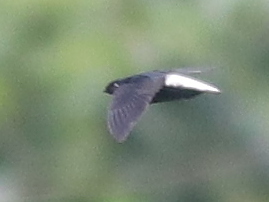 Silver-rumped Spinetail
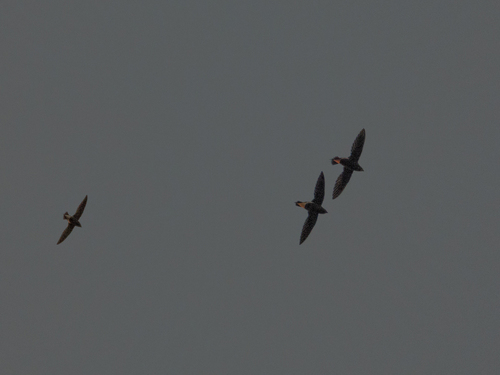 Brown-backed Needletail
In breve
Il modo più affidabile per separare il Silver-rumped Spinetail dal Brown-backed Needletail è la dimensione e la struttura generale: il Brown-backed Needletail è enorme per un swift, con un corpo pesante e a forma di barile e un volo molto più potente e rapido. Entrambe le specie mostrano una macchia bianca sul dorso o sul sottocoda, ma il motivo, l'estensione e le proporzioni del corpo differiscono notevolmente. Il Silver-rumped Spinetail è molto più piccolo, leggero e delicato, con una silhouette meno robusta. Se visto bene, la forma della coda e la prominenza delle spine della coda aiutano anche: il Brown-backed Needletail ha una coda più robusta con spine più evidenti. Entrambe le specie sono insettivori aerei, ma il Brown-backed Needletail è strettamente un nido di foresta collinare e di scogliera, mentre il Silver-rumped Spinetail preferisce le foreste di pianura.
Consigli di identificazione
- La dimensione è il primo controllo: Se l'uccello è notevolmente grande e massiccio per un swift, pensa al Brown-backed Needletail. Se è piccolo e leggero, è probabile che sia il Silver-rumped Spinetail.
- Forma del corpo: Il Brown-backed Needletail ha un corpo pesante e a forma di barile, quasi simile a un piccolo falco nella struttura. Il Silver-rumped Spinetail è molto più snello e delicato.
- Motivo del dorso/sottocoda: Il Silver-rumped Spinetail mostra una netta macchia bianco argenteo sul dorso che si distingue rispetto al resto del piumaggio scuro. Il Brown-backed Needletail ha un'area di sottocoda bianca che si estende sui fianchi, non una macchia di dorso ben definita.
- Colore generale: Il Brown-backed Needletail è uniformemente marrone scuro sopra, privo del contrasto argentato dello spinetail. Il Silver-rumped Spinetail è più scuro nel complesso ma con un dorso bianco brillante.
- Forma della coda e spine: Entrambi hanno code spine, ma la coda del Brown-backed Needletail è più robusta con spine più prominenti. La coda non è biforcuta in nessuna delle due specie, ma le spine sono più evidenti nel Brown-backed Needletail.
- Stile di volo: Il Brown-backed Needletail è eccezionalmente veloce e potente, spesso volando in alto e con grande velocità. Il Silver-rumped Spinetail è meno potente e più fluttuante.
- Comportamento di posarsi: Entrambe le specie si aggrappano solo a superfici verticali e non si posano mai su fili o rami, quindi questo non è un separatore utile.
- Habitat: Nelle foreste di pianura, specialmente lontano dalle scogliere, il Silver-rumped Spinetail è la specie predefinita. Nelle foreste collinari e vicino alle scogliere, specialmente se vedi nidi in crepe rocciose, è più probabile che sia il Brown-backed Needletail.
- Gamma geografica: Entrambi si sovrappongono nel Sud-est asiatico, ma il Brown-backed Needletail si trova anche nel sud dell'India e nelle Filippine, mentre il Silver-rumped Spinetail è assente da quelle aree.
- Dimensione del gruppo: Il Brown-backed Needletail può essere visto singolarmente o in piccoli gruppi, spesso in alto sopra la chioma. Il Silver-rumped Spinetail è più probabile che venga visto più in basso, a volte in sciami sciolti.
- Confusione con altri swift: Entrambi possono essere confusi con altri swift grandi o piccoli, ma la combinazione di dimensioni, motivo del dorso/sottocoda e habitat dovrebbe chiarire l'identificazione.
- Nessun segno specifico dell'ala superiore per età: Nessuna delle due specie è descritta come avente motivi distintivi delle ali superiori giovanili o immature, quindi non fare affidamento su questa caratteristica.
- Voce: Non sono descritte differenze vocali diagnostiche nelle note disponibili.
- Sessi simili: Non è descritto dimorfismo sessuale per nessuna delle due specie, quindi tutti i segni sul campo si applicano a entrambi i sessi.
- Variazione stagionale: Non sono notati cambiamenti nel piumaggio stagionale per nessuna delle due specie, quindi i segni sul campo sono affidabili tutto l'anno.
Taglia
La dimensione è la differenza più drammatica: il Brown-backed Needletail è tra i più grandi swift del mondo, pesando circa 145 g e raggiungendo fino a 23 cm di lunghezza, con un corpo pesante e a forma di barile. Al contrario, il Silver-rumped Spinetail è minuscolo in confronto, pesando solo 14 g. Sul campo, il Brown-backed Needletail apparirà quasi delle dimensioni di un rapace per un swift, mentre il Silver-rumped Spinetail è molto più piccolo e snello. Se visti insieme o con altri swift, la differenza è inconfondibile. Anche a distanza, il volume e la lunghezza del Brown-backed Needletail si distinguono.
Piumaggio
Entrambe le specie mostrano un contrasto bianco sul dorso o sul sottocoda, ma i dettagli differiscono. Il Silver-rumped Spinetail ha una distintiva macchia bianca sul dorso che si distingue nettamente dal resto del piumaggio scuro, visibile in volo e spesso catturando la luce. Il Brown-backed Needletail, d'altra parte, è complessivamente marrone scuro con un'area di sottocoda bianca che si estende sui fianchi, piuttosto che una netta macchia sul dorso. Le parti superiori marroni del Brown-backed Needletail sono uniformi, prive del contrasto argentato dello spinetail. Non sono descritti motivi specifici delle ali superiori per età per nessuna delle due specie nelle note disponibili, quindi concentrati sul contrasto dorso/sottocoda e sulla colorazione generale. Le differenze giovanili o immature non sono dettagliate nelle fonti.
Comportamento
Entrambe le specie sono altamente aeree e raramente si posano, tranne che su superfici verticali. Il Brown-backed Needletail è eccezionalmente veloce e potente in volo, anche rispetto ad altri swift, e non si posa mai a terra. Il suo volo è diretto, rapido e spesso alto sopra la chioma o le scogliere. Il Silver-rumped Spinetail è anche un insettivoro aereo ma è meno potente in volo e più probabile che venga visto più in basso sopra le foreste di pianura. Entrambi usano le loro gambe corte solo per aggrapparsi a superfici verticali, non per posarsi su fili o rami.
Habitat
L'habitat può essere un utile indizio. Il Silver-rumped Spinetail si trova in foreste di pianura umide subtropicali o tropicali in tutto il Sud-est asiatico, inclusi Brunei, Indonesia, Malesia, Myanmar, Singapore e Thailandia. Il Brown-backed Needletail preferisce le foreste collinari e nidifica in crepe rocciose sulle scogliere, con un'area che si estende dal sud dell'India attraverso il Sud-est asiatico fino all'Indonesia e alle Filippine. Se vedi uno swift vicino a scogliere o in terreni collinari, specialmente nidificando in crepe rocciose, è più probabile che sia il Brown-backed Needletail. Nelle foreste di pianura, specialmente lontano dalle scogliere, il Silver-rumped Spinetail è la specie attesa.
Silver-rumped Spinetail · Brown-backed Needletail · I miei uccelli difficili