

Short-tailed Swift vs Fork-tailed Palm Swift
Chaetura brachyura contro Tachornis squamata
Fai un quiz con Short-tailed Swift e Fork-tailed Palm Swift
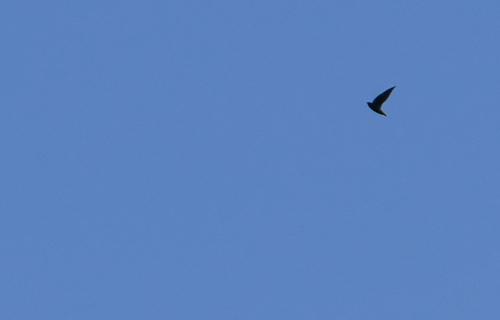 Short-tailed Swift
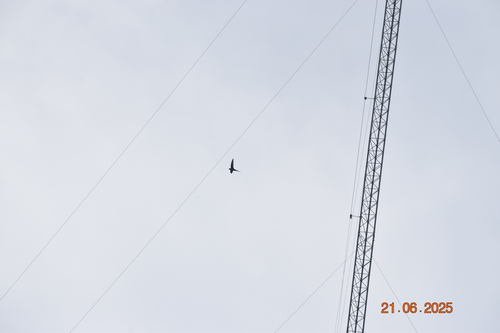 Fork-tailed Palm Swift
In breve
Il segno di campo più affidabile per separare il Short-tailed Swift dal Fork-tailed Palm Swift è la forma della coda: il Short-tailed Swift ha una coda molto corta, quadrata o solo leggermente incisa, mentre il Fork-tailed Palm Swift mostra una coda lunga e profondamente forked che è ovvia anche da lontano. Entrambe le specie hanno ali lunghe e strette e parti superiori scure simili, ma il Short-tailed Swift è più robusto con un sottocoda chiaro che si fonde nella coda, mentre il Fork-tailed Palm Swift è più snello, con un sottocoda più chiaro e contrastante e una coda forked distintiva. I Fork-tailed Palm Swift juvenili possono mostrare bordi delle piume color crema, ma la forma della coda rimane il separatore più consistente in tutte le età e stagioni. In volo, il jizz e la forma della coda sono i tuoi migliori indizi; le viste in perching sono rare per entrambi.
Consigli di identificazione
- La forma della coda è il segno più affidabile: il Short-tailed Swift ha una coda corta, quadrata o solo leggermente incisa; il Fork-tailed Palm Swift ha una coda lunga e profondamente forked visibile in tutte le età e atteggiamenti di volo.
- Struttura del corpo: il Short-tailed Swift è compatto e robusto, apparendo più pesante e più corto nel complesso. Il Fork-tailed Palm Swift è snello, lungo e delicato, con un rapporto coda-corpo notevolmente più lungo.
- Contrasto del sottocoda: il sottocoda chiaro del Short-tailed Swift si fonde dolcemente nella coda, con poco contrasto. Il sottocoda del Fork-tailed Palm Swift è più chiaro della schiena e contrasta di più, specialmente in buona luce.
- Parti inferiori: il Fork-tailed Palm Swift ha parti inferiori chiare e macchiate e una gola molto chiara e macchiata, mentre il Short-tailed Swift è più scuro sotto con meno contrasto.
- Segni giovanili: i Fork-tailed Palm Swift juvenili mostrano bordi delle piume color crema e una sfumatura color crema sulla testa, ma questi sono sottili e la coda rimane forked. Non sono notati segni giovanili distintivi per il Short-tailed Swift.
- Stile di volo: il Short-tailed Swift è veloce e diretto, con battiti d'ali rapidi e un profilo compatto. Il Fork-tailed Palm Swift appare più galleggiante e agile, spesso aprendo o chiudendo la sua lunga coda forked.
- Associazione con le palme: il Fork-tailed Palm Swift è quasi sempre vicino alle palme e nidifica in ciuffi di piume appesi su fronde di palma morte. Il Short-tailed Swift è meno strettamente legato alle palme.
- Viste in perching: entrambe le specie raramente si posano in aperto; se viste, la forma della coda è ancora diagnostica.
- Dimensione in stormi misti: in confronto diretto, il Fork-tailed Palm Swift è più lungo e snello, il Short-tailed Swift è più corto e robusto.
- Variazione delle sottospecie: le sottospecie di Fork-tailed Palm Swift possono essere più scure (T. s. semota), ma la forma e la struttura della coda rimangono affidabili.
- Sessi simili: nessun dimorfismo sessuale in entrambe le specie; tutti i segni si applicano a entrambi i sessi.
- Variazione stagionale: nessun cambiamento di piumaggio stagionale descritto per entrambe le specie; i contrasti strutturali e di sottocoda/coda sono affidabili tutto l'anno.
- Trappole comuni: non fare affidamento solo sull'oscurità complessiva o sulla lucentezza, poiché l'illuminazione può essere fuorviante. Concentrati sulla forma della coda e sul contrasto del sottocoda.
- Contesto dell'habitat: nelle aree urbane con palme piantate, il Fork-tailed Palm Swift è probabile; in un paese aperto più vario, il Short-tailed Swift può essere presente.
- Voce: non descritta nelle fonti; non fare affidamento sulle vocalizzazioni per la separazione.
Taglia
Il Short-tailed Swift è più piccolo e con un corpo più pesante: circa 10,5 cm di lunghezza e 20 g. Il Fork-tailed Palm Swift è più lungo ma molto più leggero: circa 13 cm di lunghezza ma solo 9–13,6 g. Il Fork-tailed Palm Swift appare più snello e delicato, mentre il Short-tailed Swift è più compatto e robusto. Questa differenza nella struttura è spesso evidente nel confronto diretto o quando si osservano stormi misti.
Piumaggio
Nessun modello di ala specifico per età è descritto per entrambe le specie, quindi concentrati sui contrasti di coda e sottocoda. Il Short-tailed Swift è principalmente nero con un sottocoda chiaro che si fonde dolcemente nella coda, mancando di un forte contrasto. Il Fork-tailed Palm Swift ha parti superiori marrone scuro con una leggera lucentezza verdastra, un sottocoda leggermente più chiaro e una gola e parti inferiori molto chiare e macchiate. I Fork-tailed Palm Swift juvenili hanno una sfumatura color crema sulla testa e bordi delle piume color crema, ma la lunga coda forked è presente in tutte le età. La variazione delle sottospecie nel Fork-tailed Palm Swift può renderlo più scuro nel complesso (T. s. semota), ma la coda rimane diagnostica. In sintesi: il Short-tailed Swift è più scuro nel complesso con un sottocoda meno contrastante e una coda corta e quadrata; il Fork-tailed Palm Swift è più chiaro sotto, con un sottocoda più chiaro e una lunga coda profondamente forked.
Comportamento
Entrambe le specie sono insetti aerei, nutrendosi di insetti volanti (in particolare formiche e termiti). Il Fork-tailed Palm Swift spesso cerca cibo in piccoli stormi fino a 10, ed è strettamente associato alle palme, specialmente per il nidificazione. Il Short-tailed Swift è robusto e veloce nel volo, spesso visto in volo rapido e diretto. Il Fork-tailed Palm Swift può apparire più galleggiante e agile, con la sua lunga coda spesso aperta o chiusa in un profondo fork durante il volo. Entrambi raramente si posano in aperto.
Habitat
Il Fork-tailed Palm Swift si trova quasi sempre vicino alle palme, specialmente Mauritia flexuosa, ed è comune in paludi di palma, savane, foreste ripariali e anche in aree urbane con palme piantate. Il Short-tailed Swift è meno strettamente legato alle palme e può essere trovato in una gamma più ampia di habitat aperti, anche se entrambi possono sovrapporsi in aree di pianura. Se vedi swift che circondano le palme, specialmente nidificando in ciuffi di piume appesi su fronde morte, è più probabile che sia il Fork-tailed Palm Swift.
Short-tailed Swift · Fork-tailed Palm Swift · I miei uccelli difficili