
Short-tailed Hawk vs Swainson's Hawk
Buteo brachyurus contro Buteo swainsoni
Fai un quiz con Short-tailed Hawk e Swainson's Hawk
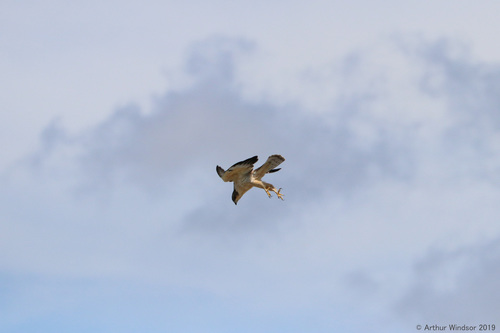 Short-tailed Hawk
 Swainson's Hawk
In breve
Il segno di campo più affidabile tra Short-tailed Hawk e Swainson's Hawk è il modello dell'ala inferiore in volo, specialmente negli uccelli a morfologia chiara: Swainson's Hawk mostra un contrasto distintivo tra le bande chiare delle ali e le piume scure del volo, mentre Short-tailed Hawk manca di questa netta divisione. I giovani Swainson's Hawks mostrano macchie chiare nelle aree scure e una banda terminale subterminale meno evidente, che può confondere gli osservatori. Strutturalmente, Swainson's Hawk è molto più grande e massiccio, con una coda più lunga, mentre Short-tailed Hawk è compatto e spesso appare con la coda corta e le ali larghe. In perching, Short-tailed Hawk è solitamente ben nascosto nella densa chioma, mentre Swainson's Hawk spesso si posa in aperto. Entrambi possono essere variabili nel piumaggio, ma un'attenta attenzione ai modelli delle ali e della coda, alle dimensioni e al comportamento li separerà nella maggior parte delle situazioni di campo.
Consigli di identificazione
- Modello dell'ala inferiore in volo (tutte le età): Swainson's Hawk (morfologia chiara) mostra un forte contrasto tra le bande chiare delle ali (bordo anteriore) e le piume scure del volo (bordo posteriore); Short-tailed Hawk manca di questo, con un'ala inferiore più uniforme o solo un bordo posteriore scuro. Questo è il segno più affidabile in volo.
- Giovane Swainson's Hawk: Cerca macchie chiare nelle aree scure e una banda terminale subterminale meno distinta; i giovani Short-tailed Hawk non mostrano questo modello.
- Lunghezza e forma della coda: Swainson's Hawk ha una coda lunga e dritta con più bande strette e una larga banda subterminale; Short-tailed Hawk ha una coda visibilmente più corta, spesso quadrata o leggermente arrotondata, e appare più compatto nel complesso.
- Dimensioni e struttura: Swainson's Hawk è molto più grande e massiccio, con ali lunghe e una silhouette slanciata; Short-tailed Hawk è piccolo, tozzo e con ali larghe, con una coda corta. Usa questo quando entrambe le specie sono viste nella stessa area o con uccelli di dimensioni note.
- Comportamento in perching: Swainson's Hawk spesso si posa in aperto (alberi, pali, terra); Short-tailed Hawk è riservato e solitamente nascosto nella densa chioma, raramente visto posato in aperto.
- Modello del petto e della gola (in perching, morfologia chiara): Swainson's Hawk mostra un 'bavaglino' rossastro sul petto e una macchia bianca sulla gola/viso; Short-tailed Hawk è più uniformemente colorato sotto, privo del bavaglino e della macchia facciale.
- Confusione con la morfologia scura: Entrambe le specie hanno morfologie scure, ma Swainson's Hawk dark morph mostra una macchia chiara sotto la coda e una coda più lunga; Short-tailed Hawk dark morph è complessivamente scura sotto, ma appare comunque con la coda corta e compatta.
- Stile di volo: Short-tailed Hawk spesso planano (sospendendosi di fronte al vento con le ali ferme) e compie discese verticali o a gradini; Swainson's Hawk vola con le ali in un dihedro poco profondo e può sorvolare a bassa quota sui campi o sospendersi brevemente.
- Contesto dell'habitat: Terreno aperto, praterie o aree agricole favoriscono Swainson's Hawk; il bordo della foresta o la chioma, specialmente in Florida o nei tropici, favoriscono Short-tailed Hawk.
- Flocking e migrazione: Swainson's Hawk può essere visto in grandi stormi durante la migrazione o nei terreni invernali, spesso seguendo trattori o incendi; Short-tailed Hawk è solitario o in coppie, raramente visto in gruppi.
- Prede e caccia: Swainson's Hawk spesso caccia grandi insetti, specialmente cavallette e locuste, e può essere visto a terra; Short-tailed Hawk è principalmente un predatore aereo di piccoli uccelli, raramente visto a terra.
- Testa e viso: Swainson's Hawk (morfologia chiara) può mostrare una testa chiara nella prima primavera a causa dell'usura delle piume; Short-tailed Hawk non mostra questa caratteristica.
- Vocalizzazione: Non diagnostica in base alle note disponibili.
- Contesto stagionale: In Florida, Short-tailed Hawk è raro e locale; Swainson's Hawk è un migratore o visitatore invernale, più probabile in habitat aperti.
- Quando in dubbio: Dai priorità al modello dell'ala inferiore in volo, alla lunghezza della coda e alle dimensioni/struttura complessive, poi controlla per il bavaglino e la macchia facciale (Swainson's) o la coda molto corta e il jizz compatto (Short-tailed).
Taglia
Swainson's Hawk è sostanzialmente più grande e pesante, con una massa corporea media di circa 960 g [wikidata], mentre Short-tailed Hawk è molto più piccolo e compatto (nessuna massa fornita, ma costantemente descritto come un piccolo Buteo). Sul campo, Swainson's Hawk appare con ali lunghe e coda lunga, con una silhouette slanciata, mentre Short-tailed Hawk è visibilmente con la coda corta e tozzo, con ali larghe e una struttura più compatta. Le dimensioni da sole sono spesso sufficienti per separarli quando visti insieme, ma fai attenzione agli uccelli solitari a distanza.
Piumaggio
I giovani e immaturi Swainson's Hawks mostrano macchie chiare nelle aree scure delle ali e del corpo, e il loro petto chiaro è segnato da strisce più scure; la banda terminale subterminale è meno distinta rispetto agli adulti. In tutte le età, gli Swainson's Hawks a morfologia chiara hanno un modello dell'ala inferiore sorprendente: bande chiare delle ali (bordo anteriore) e piume scure del volo (bordo posteriore), creando un aspetto bicolore unico tra i rapaci nordamericani. La coda è marrone-grigia con bande scure strette e una banda subterminale più ampia. Gli Swainson's Hawks a morfologia scura sono per lo più marrone scuro con una macchia chiara sotto la coda. Short-tailed Hawk, al contrario, manca del netto contrasto dell'ala inferiore: le morfologie chiare hanno per lo più parti inferiori e ali bianche, con bordi posteriori scuri ma non la forte divisione di Swainson's. Le morfologie scure sono complessivamente scure sotto, ma mostrano comunque una coda più corta e una forma più compatta. In perching, Swainson's Hawk spesso mostra un 'bavaglino' rossastro sul petto e una macchia bianca sulla gola/viso, mentre Short-tailed Hawk è più uniformemente colorato e spesso nascosto nel fogliame.
Comportamento
Short-tailed Hawk è principalmente un cacciatore aereo, spesso visto planare o volare sopra i bordi delle foreste e tuffarsi quasi verticalmente sulla preda, raramente posandosi in aperto. È spesso difficile da individuare quando è posato, poiché si nasconde nella densa chioma. Swainson's Hawk è molto più probabile che si posi in aperto su alberi, pali o anche a terra, e spesso caccia rimanendo fermo su un posatoio o planando con le ali in un dihedro. Swainson's Hawk è anche noto per seguire trattori o incendi per catturare insetti e piccoli vertebrati, e può essere visto in stormi durante la migrazione o nei terreni invernali.
Habitat
Short-tailed Hawk è locale e poco comune, favorendo i bordi boschivi nelle Americhe tropicali e subtropicali, ed è molto riservato quando è posato. In Florida, è raro e spesso trascurato tranne quando planano. Swainson's Hawk preferisce terreni aperti, praterie e aree agricole, ed è molto più probabile essere visto in habitat aperti, specialmente durante la migrazione o nei terreni di nidificazione in Nord America. Se vedi un Buteo posato in aperto in prateria o terreno agricolo, Swainson's Hawk è molto più probabile; un Buteo che plana sopra il bordo della foresta o scompare nella chioma è più probabile che sia Short-tailed.
Short-tailed Hawk · Swainson's Hawk · I miei uccelli difficili