

Shore Plover vs Double-banded Plover
Thinornis novaeseelandiae contro Anarhynchus bicinctus
Fai un quiz con Shore Plover e Double-banded Plover
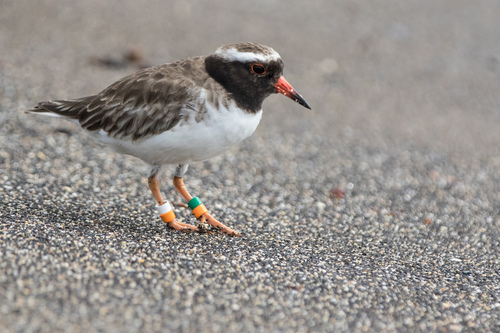 Shore Plover
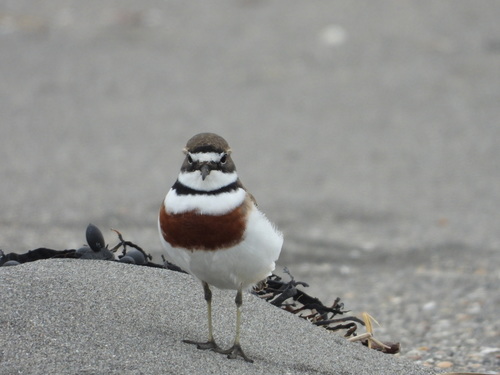 Double-banded Plover
In breve
Il segno di campo più affidabile per separare il Shore Plover dal Double-banded Plover è il distintivo nastro bianco sulla testa del Shore Plover sotto un cappello marrone e le sue gambe e becco di un brillante arancione-rosso con una punta scura ben definita. Al contrario, il Double-banded Plover manca del nastro bianco sulla testa e mostra invece una chiara doppia fascia sul petto (negli adulti), con un becco nero semplice e un colore delle gambe meno vivace. I giovani Double-banded Plovers mancano di fasce sul petto e possono apparire superficialmente simili ai giovani Shore Plovers, ma questi ultimi mostrano sempre un motivo squamoso sulla parte superiore e il nastro bianco sulla testa. Entrambe le specie sono piccoli plover, ma il Shore Plover è leggermente più pesante e molto più raro, tipicamente limitato a isole al largo, mentre il Double-banded Plover è diffuso in Nuova Zelanda.
Consigli di identificazione
- Nastro bianco sulla testa (solo Shore Plover): Cerca un forte nastro bianco che circonda la testa sotto un cappello marrone—diagnostico per tutte le età del Shore Plover e mai mostrato dal Double-banded Plover.
- Maschera facciale (adulto Shore Plover): I maschi adulti hanno una maschera nera audace, le femmine una marrone. Il Double-banded Plover non mostra mai una maschera facciale, solo fasce sul petto.
- Colore del becco e delle gambe: Il Shore Plover ha gambe e becco di un brillante arancione-rosso con una punta scura ben definita (il colore del becco è più brillante nei maschi). Il Double-banded Plover ha un becco scuro semplice e gambe che non sono così vivacemente colorate.
- Fasce sul petto (Double-banded Plover): I Double-banded Plovers adulti in piumaggio di riproduzione mostrano una sottile fascia nera attraverso la parte superiore del petto e una fascia marrone più ampia sotto. Il Shore Plover non mostra mai fasce sul petto.
- Confusione giovanile: I giovani Double-banded Plovers mancano di fasce sul petto e sono macchiati di marrone sopra, ma non hanno mai il nastro bianco sulla testa o le parti superiori squamose del giovane Shore Plover. I giovani Shore Plovers hanno frange più ampie e chiare sulle piume del dorso marrone, dando un aspetto fortemente squamoso.
- Ala superiore in volo: Il Shore Plover mostra una stretta striscia bianca lungo tutta la lunghezza dell'ala e lati bianchi sulla coda. L'ala superiore del Double-banded Plover è meno distintamente marcata e manca di una striscia bianca lungo tutta l'ala.
- Struttura: Il Double-banded Plover appare più slanciato e più eretto, specialmente quando corre. Il Shore Plover è più robusto con gambe più corte rispetto alla dimensione del corpo.
- Contesto dell'habitat: Il Shore Plover è estremamente raro e limitato a poche isole al largo; il Double-banded Plover è diffuso sulle spiagge e negli estuari della Nuova Zelanda. Se non ti trovi su un'isola al largo priva di predatori, è molto più probabile che tu veda un Double-banded.
- Comportamento: Il Double-banded Plover corre spesso rapidamente e si ferma per nutrirsi, mostrando agilità e ali lunghe e appuntite. Il Shore Plover è più riservato e può essere visto riparato sotto copertura o in tane.
- Forma del becco: Entrambi hanno becchi corti e robusti, ma quello del Shore Plover è leggermente più robusto e ha sempre una punta scura.
- Motivo della coda: Il Shore Plover ha una coda marrone con lati bianchi; il motivo della coda del Double-banded Plover è meno distintivo.
- Vocalizzazione: Se senti un chiaro richiamo 'chirp-chirp', è probabile che sia un Double-banded Plover. Il richiamo del Shore Plover non è descritto qui.
- Differenze sessuali: In entrambe le specie, i maschi sono più vivacemente marcati in piumaggio di riproduzione, ma il motivo della testa (nastro bianco e maschera vs. fasce sul petto) rimane il miglior separatore.
- Cambiamenti stagionali: Il Double-banded Plover perde le sue fasce sul petto al di fuori della stagione di riproduzione, diventando più semplice, ma manca ancora del motivo della testa e del colore del becco/gambe del Shore Plover.
- Contesto della popolazione: Il Shore Plover è uno degli uccelli costieri più rari al mondo; considera sempre la rarità e la posizione prima di affermare di averne visto uno.
Taglia
Entrambe le specie sono molto simili in dimensioni, con il Shore Plover che pesa in media 61 g e il Double-banded Plover 58 g [wikidata]. Sul campo, questa differenza è trascurabile e non è un punto di separazione affidabile. Entrambi sono piccoli, compatti plover, ma il Shore Plover può apparire leggermente più robusto a causa della sua struttura più tozza e delle gambe più corte rispetto alla dimensione del corpo, mentre il Double-banded Plover spesso appare più slanciato e più eretto, specialmente quando cerca cibo.
Piumaggio
Gli uccelli giovani e immaturi sono una comune fonte di confusione. I giovani Shore Plovers mancano della maschera facciale completa degli adulti ma mostrano sempre un forte nastro bianco che circonda la testa sotto un cappello marrone, e le loro parti superiori marroni hanno ampie frange chiare, dando un aspetto fortemente squamoso. I giovani Double-banded Plovers mancano di fasce sul petto e sono macchiati di marrone sopra, ma non mostrano il nastro bianco sulla testa o il motivo squamoso del Shore Plover. Negli adulti, i maschi del Shore Plover hanno una maschera facciale nera audace, le femmine una marrone, entrambe con il nastro bianco sulla testa e becco/gambe arancione-rosse. I Double-banded Plovers in piumaggio di riproduzione mostrano una sottile fascia nera sulla parte superiore del petto e una fascia marrone più ampia sulla parte inferiore (maschi più distinti), con un becco scuro semplice e gambe che non sono così vivacemente colorate. I Double-banded Plovers non in riproduzione e i giovani perdono le fasce sul petto e diventano più semplici, ma mancano ancora del motivo della testa e del colore del becco/gambe del Shore Plover. In volo, il Shore Plover mostra una stretta striscia bianca sull'ala e lati bianchi sulla coda, mentre l'ala superiore del Double-banded Plover è meno distintivamente marcata.
Comportamento
I Double-banded Plovers sono cercatori attivi, spesso visti correre rapidamente e poi fermarsi per nutrirsi, e sono agili in volo con ali lunghe e appuntite. I Shore Plovers sono più riservati, spesso nidificano e si riparano sotto copertura o in tane, e possono apparire meno irrequieti quando si nutrono. La differenza nella lunghezza delle gambe è a volte visibile sul campo, con i Double-banded Plovers che appaiono più slanciati e più eretti.
Habitat
Il Shore Plover è ora limitato a poche isole al largo prive di predatori ed è estremamente raro, quindi qualsiasi avvistamento sulla terraferma della Nuova Zelanda è altamente improbabile. Preferiscono le coste rocciose, le spiagge di massi e nidificano sotto copertura o in tane. Il Double-banded Plover è diffuso e si riproduce in tutta la Nuova Zelanda, comprese le Isole Chatham, ed è comunemente trovato su spiagge sabbiose, estuari e letti di fiumi. Se ti trovi su una spiaggia o in un estuario della terraferma, è molto più probabile che tu veda un Double-banded Plover.
Voce
Il Double-banded Plover ha un distintivo richiamo 'chirp-chirp', che viene spesso udito prima che l'uccello venga visto. Nessuna vocalizzazione specifica è descritta per il Shore Plover nelle note fornite, quindi la voce non è un separatore affidabile a meno che non venga udito il richiamo del Double-banded.
Shore Plover · Double-banded Plover · I miei uccelli difficili