

Shikra vs Besra
Tachyspiza badia contro Tachyspiza virgata
Fai un quiz con Shikra e Besra
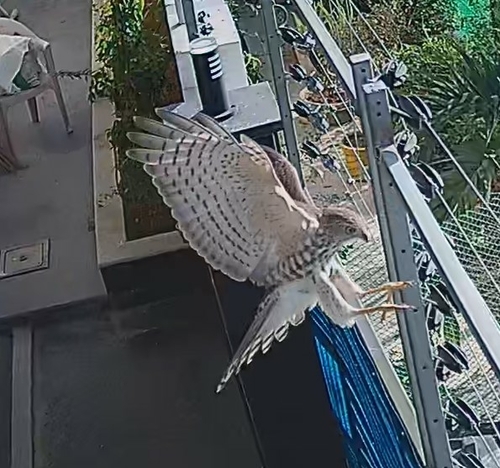 Shikra
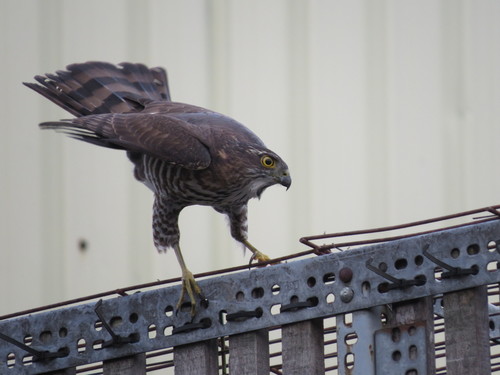 Besra
In breve
Il segno di campo più affidabile per separare lo Shikra dal Besra è il modello della coda in tutte le età: il Besra mostra sempre 3–4 bande scure di dimensioni uguali e ben definite sulla parte superiore della coda, mentre lo Shikra ha bande della coda meno distinte, con le piume centrali della coda spesso senza bande, tranne per una banda terminale scura. Lo Shikra giovane mostra anche bande della coda più strette e una minore barratura delle parti inferiori rispetto al Besra giovane. Il Besra adulto è complessivamente più scuro sopra e più pesantemente barrato sotto rispetto allo Shikra, con una striscia golare (throat) più ampia e gambe più lunghe e sottili. In volo, la parte inferiore dell'ala del Besra è più fortemente barrata, mentre le copritrici della parte inferiore dell'ala dello Shikra sono più chiare e meno marcate. Entrambe le specie sono simili in dimensioni e forma, ma sottili differenze nella struttura e nel piumaggio, specialmente nella coda e nelle parti inferiori, sono fondamentali per un'identificazione sicura.
Consigli di identificazione
- Tail banding (all ages): Il Besra ha sempre 3–4 bande scure di dimensioni uguali e ben definite sulla parte superiore della coda, visibili sia in perching che in volo. Le bande della coda dello Shikra sono più strette, meno distinte, spesso deboli sulle piume laterali, e le piume centrali della coda possono essere senza bande tranne per una banda terminale scura.
- Underwing pattern (in flight): Il Besra mostra una barratura forte e consistente sulle copritrici della parte inferiore dell'ala in tutti i piumaggi; lo Shikra ha una parte inferiore dell'ala più chiara con meno barratura e punte delle ali nere. Questo è meglio visibile in buona luce da sotto.
- Juvenile underparts: Il Besra giovane è bianco sotto con forte barratura marrone; lo Shikra giovane ha strisce scure e macchie sul petto superiore e barratura più stretta sulle ali e sulle parti inferiori.
- Throat/gular stripe: Il Besra ha una striscia golare più ampia e prominente (linea centrale scura della gola); quella dello Shikra è più stretta e meno ovvia. Questo è meglio visibile a riposo o in viste ravvicinate.
- Upperparts color: Il Besra adulto è più scuro sopra (maschi blu-grigio scuro, femmine più marroni); lo Shikra è più chiaro grigio sopra. Questa differenza è sottile e può essere influenzata dalla luce.
- Underpart barring: Le parti inferiori del Besra sono più pesantemente e ampiamente barrate di marrone-rossastro; la barratura dello Shikra è più fine e meno estesa, specialmente sulla pancia inferiore e sulle cosce, che sono spesso bianche.
- Leg and toe structure: Il Besra ha gambe e dita più lunghe e sottili rispetto allo Shikra, ma questo è sottile e richiede buone viste o un confronto diretto.
- Iris color (adults): Il maschio dello Shikra ha un'iride rossa, la femmina dello Shikra ha un'iride giallo-arancione; questo non è diagnostico per il Besra ma può aiutare a confermare lo Shikra in buona luce.
- Size: Il Besra è leggermente più grande, ma la sovrapposizione è considerevole e non affidabile per la separazione sul campo.
- Habitat context: Gli uccelli delle foreste profonde sono più probabilmente Besra, specialmente se visti cacciare attraverso la vegetazione densa; gli uccelli di campagna aperta, agricoli o urbani sono più probabilmente Shikra, ma entrambi possono sovrapporsi ai margini del bosco.
- Flight style: Entrambe le specie usano un volo flap–flap–glide, ma il Besra è più probabile che cacci per sorpresa da un posatoio nascosto in copertura densa, mentre lo Shikra può essere visto planare o posarsi in aperto.
- Sexual dimorphism: Le femmine di entrambe le specie sono più grandi e marroni sopra; questo può confondere l'identificazione se viene visto solo un uccello.
- Post-juvenile plumage: Lo Shikra può mostrare una forte barratura sulla parte inferiore in piumaggio transizionale, ma il modello della coda rimane il segno migliore.
- Perched vs. flying: I modelli della coda e della parte inferiore dell'ala sono spesso più facili da vedere in volo, ma gli uccelli posati possono essere separati dalla barratura della coda e dalla striscia della gola.
- Voice: Le chiamate 'pee-wee' e 'kik-ki' dello Shikra possono aiutare a confermare la sua presenza, ma la mancanza di dati sulla vocalizzazione del Besra significa che questo è solo un segno positivo per lo Shikra, non negativo per il Besra.
Taglia
Lo Shikra è leggermente più piccolo, misurando 26–30 cm di lunghezza, mentre il Besra è un po' più grande a 29–36 cm. Entrambi hanno ali corte e arrotondate e lunghe code adattate per la manovrabilità, ma la sovrapposizione delle dimensioni è considerevole e non affidabile per la separazione sul campo. Le femmine di entrambe le specie sono più grandi dei maschi, ma questo è utile solo se il sesso è noto. Complessivamente, la dimensione da sola non è una caratteristica distintiva sicura tra i due.
Piumaggio
Uccelli giovani/immaturi: I giovani Besra sono marrone scuro sopra e bianchi sotto con forte barratura marrone, e mostrano sempre 3–4 bande scure di dimensioni uguali e ben definite sulla parte superiore della coda. I giovani Shikra hanno strisce scure e macchie sul petto superiore, barratura più stretta sulle ali, e le bande della coda sono più strette e meno distinte; le piume centrali della coda sono spesso senza bande tranne per una banda terminale scura. Lo Shikra post-giovanile può mostrare una forte barratura sulla parte inferiore, ma il modello della coda rimane una differenza chiave.
Adulti: I Besra adulti sono più scuri sopra (maschi blu-grigio scuro, femmine più marroni) e hanno parti inferiori bianche con forte barratura marrone-rossastro, una striscia golare più ampia e prominente, e gambe e dita lunghe e sottili. Gli adulti dello Shikra hanno parti superiori grigie più chiare, barratura rufous fine sulle parti inferiori (meno estesa rispetto al Besra), una stretta striscia scura mesiale della gola, e cosce più chiare. In volo, il Besra mostra una parte inferiore dell'ala più fortemente barrata, mentre lo Shikra ha una parte inferiore dell'ala più chiara e punte delle ali nere. Il colore dell'iride può aiutare: il maschio adulto dello Shikra ha un'iride rossa, la femmina dello Shikra ha giallo-arancione, mentre il colore dell'iride non è diagnostico per il Besra nel campo.
Comportamento
Entrambe le specie usano uno stile di volo flap–flap–glide e sono cacciatori veloci e agili. Il Besra è particolarmente adattato per manovrare attraverso foreste dense, spesso cacciando per sorpresa da un posatoio nascosto. Lo Shikra è più spesso visto in habitat aperti, comprese le aree urbane, e può essere più evidente quando planano o si posano in aperto. Entrambe le specie possono attirare chiamate di allerta da piccoli uccelli, ma questo non è un segno di separazione affidabile.
Habitat
Il Besra è principalmente un uccello di foreste dense e boschi, anche se può emergere in boschi più aperti e persino in aree coltivate in inverno. Lo Shikra è più versatile, presente in foreste, terreni agricoli e ambienti urbani, e viene spesso visto in campagna più aperta o posato in modo evidente. Se l'uccello è profondo in una foresta densa, è più probabile che sia un Besra, ma la sovrapposizione degli habitat è significativa, specialmente al di fuori della stagione riproduttiva.
Voce
Lo Shikra emette una chiamata distintiva 'pee-wee', con la prima nota più alta e la seconda più lunga; in volo, le sue chiamate sono più brevi e più acute ('kik-ki ... kik-ki'). Le vocalizzazioni del Besra non sono descritte nelle note fornite, quindi la voce non è un segno di separazione affidabile basato sulle informazioni attuali.