

Semipalmated Plover vs Gambecchio semipalmato
Charadrius semipalmatus contro Calidris pusilla
Fai un quiz con Semipalmated Plover e Gambecchio semipalmato
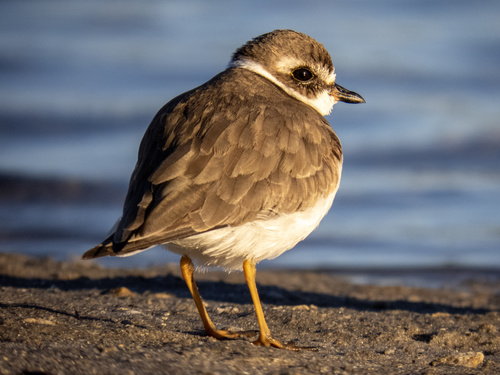 Semipalmated Plover
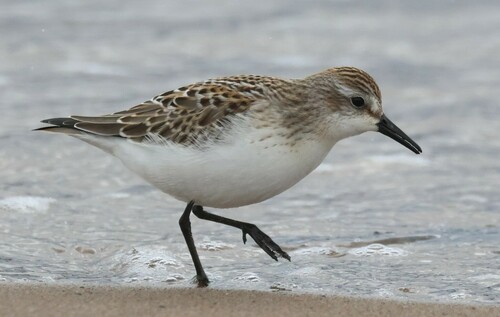 Gambecchio semipalmato
In breve
Il modo più affidabile per separare il Semipalmated Plover dal Gambecchio semipalmato è attraverso la struttura generale e il motivo della testa: il plover ha un volto audace bianco e nero con una singola banda nera sul petto, mentre il sandpiper ha un volto più semplice e non ha alcuna banda sul petto. In volo o a riposo, il plover appare più rotondo e robusto con un becco corto e spesso e arancione alla base del becco, mentre il sandpiper è più snello, con ali più lunghe e un becco sottile e completamente scuro. Le piume giovanili e adulte sono entrambe distintive se ci si concentra sul volto e sul petto. Entrambe le specie possono essere trovate insieme sulle pianure fangose, ma la loro forma, becco e motivo della testa sono diagnostici a qualsiasi età.
Consigli di identificazione
- Banda sul petto (tutte le età): Il Semipalmated Plover mostra sempre una singola banda nera completa sul petto; il Gambecchio semipalmato non mostra mai alcuna banda sul petto. Questo è il segno di campo più rapido e affidabile.
- Motivo del volto (tutte le età): I plover hanno una fronte bianca audace, una maschera nera e un berretto marrone, creando un contrasto sorprendente; i sandpiper hanno un volto semplice e pallido con solo un leggero sopracciglio e nessuna maschera.
- Forma e colore del becco: I plover hanno un becco corto e spesso con arancione alla base e una punta nera; i sandpiper hanno un becco più lungo, sottile, dritto e completamente scuro. Il colore del becco è particolarmente utile a distanza ravvicinata.
- Forma del corpo: I plover hanno un corpo rotondo, compatto e una coda corta, spesso apparendo 'robusti'; i sandpiper sono più snelli, con ali più lunghe e un profilo più allungato.
- Colore delle gambe: Anche se non sempre visibile, i plover hanno gambe arancioni; i sandpiper hanno gambe nere. Usare con cautela poiché il fango può oscurare il colore delle gambe.
- Comportamento di foraggiamento: I plover corrono e si fermano, beccando prede; i sandpiper sondano rapidamente e continuamente nel fango o nell'acqua bassa.
- Silhouette in volo: I plover mostrano ali larghe e arrotondate e una coda corta; i sandpiper hanno ali più lunghe e strette e una parte posteriore più affusolata.
- Colore delle parti superiori: I plover sono grigio-marroni sopra con un chiaro contrasto rispetto alle parti inferiori bianche; i sandpiper sono grigio-marroni più scuri sopra, ma meno contrastanti e più uniformi.
- Piumaggio giovanile: I plover giovanili mostrano ancora la singola banda sul petto e il motivo del volto, anche se leggermente più opachi; i sandpiper giovanili non mostrano mai una banda sul petto e sono solo leggermente più chiari sopra.
- Associazione di gruppo: I plover sono spesso solitari o in piccoli gruppi; i sandpiper si radunano in grandi stormi compatti, specialmente durante la migrazione.
- Contesto: Se vedi un uccello con un volto audace e una banda sul petto tra un gruppo di piccoli sandpiper semplici, è un plover.
- Voce: Non diagnostica con le note attuali, ma i plover generalmente emettono un richiamo chiaro e fischiato, mentre i sandpiper hanno un 'peep' più alto e morbido.
- Dimensione: I plover sono leggermente più grandi e robusti, ma la sovrapposizione di dimensioni significa che questo è utile solo con un confronto diretto.
- Habitat: Entrambe le specie si sovrappongono ampiamente; non fare affidamento solo sull'habitat per l'identificazione.
- Trappole: Non confondere la singola banda sul petto del plover con le bande doppie del Killdeer; il Gambecchio semipalmato non mostra mai alcuna banda sul petto.
Taglia
Il Semipalmated Plover è leggermente più grande e pesante: gli adulti misurano 17–19 cm di lunghezza e pesano in media 46–47 g [wikipedia], mentre il Gambecchio semipalmato è lungo 15–18 cm e pesa in media 18–51,5 g, ma è tipicamente più leggero [wikipedia]. Il plover appare più compatto e rotondo, con una coda e un becco più corti. Il sandpiper è più snello, con un corpo e ali più allungati, e una proiezione primaria notevolmente più lunga quando visto di lato.
Piumaggio
I plover giovanili e adulti di tutte le età mostrano una singola banda nera netta sul petto, una fronte bianca e una maschera nera attorno agli occhi, con un berretto marrone e arancione alla base del becco. Questo volto audace e il motivo del petto sono presenti tutto l'anno, anche se meno netti negli uccelli usurati. I Gambecchi semipalmatati, in tutti i piumaggi, non hanno alcuna banda sul petto e hanno un volto semplice e pallido con solo un leggero supercilium e una parte superiore grigio-marrone generalmente uniforme. Le loro parti inferiori sono bianche pulite senza banda o collare. In volo, nessuna delle due specie mostra un motivo distintivo delle ali superiori (nessun 'W' nero o pannelli contrastanti), ma le ali e la schiena del plover sono di un grigio-marrone solido, mentre quelle del sandpiper sono più scure e più uniformi. I sandpiper giovanili possono mostrare bordi delle piume leggermente più brillanti sopra, ma mancano comunque di qualsiasi motivo sulla testa o sul petto come il plover.
Comportamento
I Semipalmated Plovers foraggiano correndo e fermandosi, beccando prede sulla superficie, spesso su terreni più asciutti o aree più sabbiose. Possono eseguire display di distrazione se disturbati. I Gambecchi semipalmatati sono più propensi a essere visti sondare nel fango o nell'acqua bassa, muovendosi rapidamente e alimentandosi continuamente. Negli stormi misti, i plover si distinguono per la loro postura più eretta e la tendenza a fermarsi più spesso.
Habitat
Entrambe le specie possono verificarsi insieme su pianure fangose costiere, spiagge e pianure di marea durante la migrazione. Il plover a volte utilizza terreni leggermente più asciutti o sabbiosi, mentre il sandpiper preferisce fango più umido e il bordo dell'acqua. Tuttavia, la sovrapposizione dell'habitat è ampia e non è un separatore affidabile sul campo.
Semipalmated Plover · Gambecchio semipalmato · I miei uccelli difficili