

Semipalmated Plover vs Piping Plover
Charadrius semipalmatus contro Charadrius melodus
Fai un quiz con Semipalmated Plover e Piping Plover
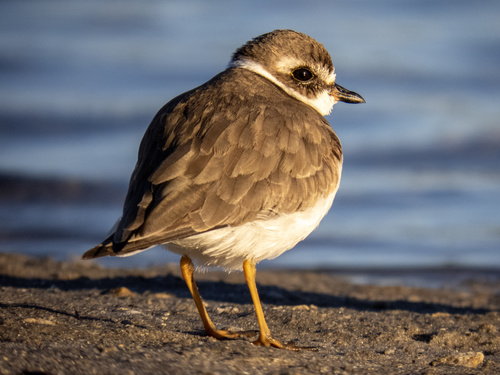 Semipalmated Plover
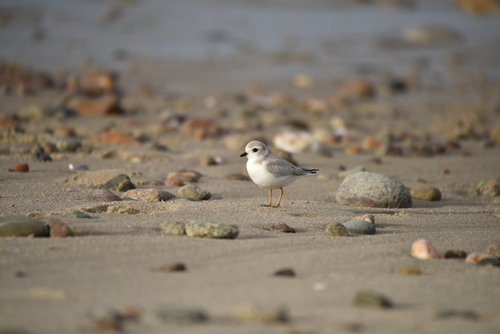 Piping Plover
In breve
Il segno di campo più affidabile per separare il Semipalmated Plover dal Piping Plover è la banda del petto: il Semipalmated ha una singola banda scura completa sul petto, mentre il Piping Plover mostra una banda nera più sottile, spesso incompleta, o solo macchie laterali, specialmente al di fuori della livrea di riproduzione dei maschi. Il Semipalmated ha anche una parte superiore di un marrone più scuro e una maschera facciale più distinta, mentre il Piping è più chiaro e sabbioso nel complesso. Il colore del becco e il colore delle zampe differiscono sottilmente ma possono essere difficili da distinguere a distanza. Entrambi sono piccoli plover, ma il Piping è leggermente più robusto e più chiaro, spesso mimetizzandosi nella sabbia chiara. Gli uccelli immaturi e non in riproduzione possono essere particolarmente confusi, quindi concentrati sul modello e sulla completezza della banda del petto e sul tono generale.
Consigli di identificazione
- Il modello della banda del petto è il segno di campo più affidabile: Il Semipalmated Plover mostra sempre una banda del petto scura e completa (in tutte le età e stagioni). Il Piping Plover di solito ha una banda più sottile, a volte rotta o incompleta, specialmente nelle femmine e negli uccelli non in riproduzione; i maschi in livrea di riproduzione possono mostrare una banda completa, ma è tipicamente più stretta di quella del Semipalmated.
- Colore della parte superiore: Il Semipalmated è di un marrone più scuro sopra, in contrasto con il suo ventre bianco. Il Piping è molto più chiaro, sabbioso o khaki sopra, mimetizzandosi nella sabbia chiara.
- Modello facciale: Il Semipalmated ha una forte maschera nera attorno agli occhi e una fronte bianca, dando un aspetto più contrastante e 'mascherato'. Il Piping ha un viso meno contrastante, con una banda frontale nera che è audace solo nei maschi in riproduzione e spesso debole o incompleta altrimenti.
- Colore e forma del becco: Entrambi hanno becchi arancioni con punte nere, ma il becco del Semipalmated è più corto, tozzo e appare più scuro nel complesso. Il becco del Piping è leggermente più lungo, più arancione e tozzo in proporzione alla sua testa.
- Colore delle zampe: Il Piping Plover ha zampe giallo-arancioni più brillanti, mentre quelle del Semipalmated sono più opache. Questo è sottile e può essere oscurato da fango o distanza.
- Forma del corpo: Il Piping Plover è leggermente più robusto, con una testa più rotonda e un collo più spesso. Il Semipalmated può sembrare un po' più snello e con zampe più lunghe.
- Colore della schiena e delle ali: La schiena e le ali del Semipalmated sono di un marrone più scuro, in contrasto con il suo ventre bianco. Le parti superiori del Piping sono chiare e sabbiose, in sintonia con le spiagge chiare.
- Contesto dell'habitat: Sulle spiagge sabbiose, specialmente nella stagione della riproduzione, il Piping è più probabile. Su pianure di marea, fanghi o campi, specialmente lontano dall'area di riproduzione, il Semipalmated è più probabile.
- Cambiamenti stagionali: Nella stagione non riproduttiva, le bande nere del Piping svaniscono e possono essere quasi assenti, mentre il Semipalmated mantiene una forte banda del petto tutto l'anno.
- Differenze sessuali: Nel Piping Plover, solo i maschi in riproduzione mostrano una banda del petto e della fronte audace e completa; le femmine e gli uccelli non in riproduzione hanno bande deboli o incomplete. Il Semipalmated mostra poco dimorfismo sessuale nella livrea.
- Confusione giovanile: I giovani di entrambe le specie possono essere più opachi e meno contrastanti, ma la completezza e la larghezza della banda del petto li separano ancora: quella del Semipalmated è sempre completa e scura, quella del Piping è più sottile o rotta.
- Viste in volo: Non sono descritte differenze distintive nel modello delle ali superiori per queste specie nelle fonti; concentrati sul modello del corpo e del viso anche in volo.
- Comportamento di foraggiamento: Entrambi beccano in superficie, ma il Semipalmated può essere visto in habitat più vari, inclusi campi e fanghi, mentre il Piping è quasi sempre su spiagge sabbiose.
- Voce: Non descritta nelle fonti fornite; non fare affidamento sulle vocalizzazioni per la separazione basata su queste note.
- Trappole: Fai attenzione ai Piping Plovers con bande incomplete o deboli (femmine, uccelli non in riproduzione) e ai Semipalmated pallidi in luce brillante; controlla sempre la banda del petto per larghezza e completezza, e usa il colore della parte superiore come backup.
Taglia
Entrambe le specie sono piccoli plover, con lunghezze molto simili (Semipalmated: 17–19 cm; Piping: 15–19 cm) [wikipedia]. Il Piping Plover è leggermente più pesante in media (media 55 g contro 46–47 g per il Semipalmated) [wikidata][wikipedia], e spesso appare un po' più compatto e con la testa rotonda. Sul campo, la differenza di dimensione è sottile e inaffidabile a meno che non siano visti fianco a fianco.
Piumaggio
Gli uccelli giovanili e non in riproduzione di entrambe le specie possono essere confusi, ma la banda del petto è fondamentale: il Semipalmated Plover (tutte le età) mostra una singola banda del petto scura e completa, mentre il Piping Plover (specialmente femmine e uccelli non in riproduzione) ha spesso una banda più sottile, a volte rotta o incompleta, o solo macchie scure ai lati del petto. Il Semipalmated ha una schiena e ali di un marrone più scuro, con una fronte bianca contrastante e una maschera nera; il Piping è molto più chiaro, sabbioso o khaki sopra, con un modello facciale meno contrastante. Entrambi hanno becchi arancioni con punte nere, ma il becco del Semipalmated è più corto e più scuro nel complesso. In livrea di riproduzione, i maschi del Piping mostrano una banda frontale nera audace e un anello al collo, ma questi svaniscono o diventano incompleti nelle femmine e negli uccelli non in riproduzione. Il colore delle zampe è più brillante giallo-arancione nel Piping, più opaco nel Semipalmated, ma questo è sottile e variabile. Non è descritto alcun modello distintivo delle ali superiori giovanili per entrambe le specie nelle fonti.
Comportamento
Entrambe le specie foraggiano per vista su spiagge e pianure aperte, ma il Semipalmated è più probabile che venga trovato su fanghi di marea e a volte in campi, mentre il Piping è più strettamente legato a spiagge sabbiose e coste ghiaiose. Entrambi possono utilizzare display di distrazione vicino ai nidi. Il Piping Plover tende ad essere più confidente e meno diffidente in alcune aree, ma questo varia con il disturbo.
Habitat
Il Semipalmated Plover nidifica su terreni aperti nel Canada settentrionale e in Alaska, spesso su spiagge o pianure con poca vegetazione, e sverna lungo le coste nel sud degli Stati Uniti, nei Caraibi e in Sud America. Il Piping Plover è più ristretto a spiagge sabbiose e ghiaiose in Nord America, sia per la riproduzione che per l'alimentazione. Durante la migrazione, il Semipalmated può essere trovato in una gamma più ampia di habitat aperti, inclusi fanghi e persino campi, mentre il Piping è quasi sempre su spiagge sabbiose. Può verificarsi sovrapposizione durante la migrazione, ma il Piping è più specifico per l'habitat.
Semipalmated Plover · Piping Plover · I miei uccelli difficili