
Forapaglie comune vs Cannaiola comune
Acrocephalus schoenobaenus contro Acrocephalus scirpaceus
Fai un quiz con Forapaglie comune e Cannaiola comune
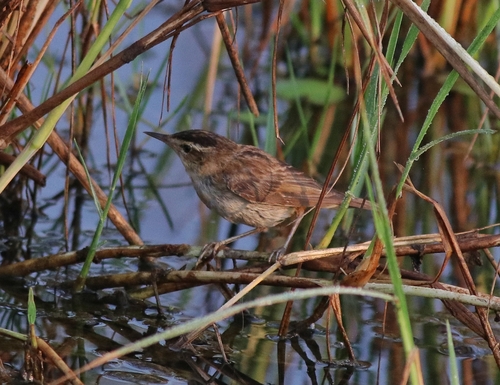 Forapaglie comune
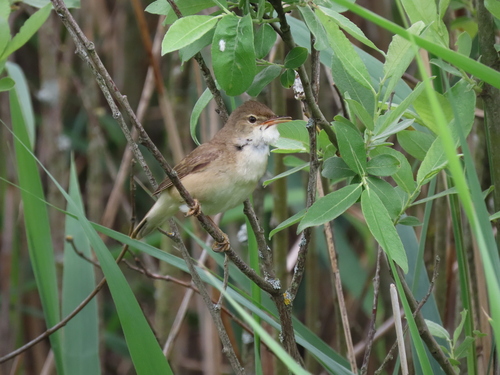 Cannaiola comune
In breve
Il segno di campo più affidabile per separare il Forapaglie comune dalla Cannaiola comune è la presenza di striature scure e audaci sulla schiena e sulla corona del Forapaglie comune, insieme a un supercilium pallido prominente, rispetto alle parti superiori più semplici e senza striature e a un supercilium meno distintivo della Cannaiola comune. I giovani Forapaglie comuni mostrano anche macchie scure sul petto, assenti nella Cannaiola comune. Entrambe le specie sono simili in dimensioni e forma, ma il Forapaglie comune appare spesso più contrastante e 'affollato' sopra, specialmente nel piumaggio fresco o tra i giovani. In volo o a riposo, concentrati sul modello delle parti superiori e sulla forza del supercilium per la separazione più rapida.
Consigli di identificazione
- Back and crown streaking (all ages): Il Forapaglie comune mostra sempre striature scure e audaci sulla schiena e sulla corona, mentre la Cannaiola comune è di un marrone uniforme sopra senza striature. Questo è il segno di campo più affidabile.
- Supercilium (all ages): Il Forapaglie comune ha un supercilium pallido e prominente che spicca sul viso, specialmente nel piumaggio fresco. Il supercilium della Cannaiola comune è più debole e meno contrastante.
- Juvenile breast spots: I giovani Forapaglie comuni hanno macchie scure sul petto, che non sono mai presenti nella Cannaiola comune di alcuna età. Se vedi queste macchie, è un Forapaglie comune.
- Crown pattern: Il Forapaglie comune può mostrare una striscia centrale pallida sulla corona, specialmente nei giovani, bordata da margini più scuri. La corona della Cannaiola comune è semplice e priva di questo contrasto.
- Rump color: Il Forapaglie comune ha un sottocoda marrone caldo e senza striature che può contrastare con le ali più opache. Il sottocoda della Cannaiola comune non è notevolmente diverso dalla sua schiena.
- Facial contrast: Il viso del Forapaglie comune appare più 'mascherato' e patternizzato a causa del forte supercilium e della corona striata; il viso della Cannaiola comune è più semplice e meno definito.
- Underparts: Entrambi sono chiari sotto, ma i giovani Cannaiola comuni possono essere di un buff più ricco, mentre i giovani Forapaglie comuni possono apparire più chiari con macchie.
- Song-flights: Se vedi un warbler che si alza e scende con le ali a 'V' mentre canta, è probabile che sia un Forapaglie comune. La Cannaiola comune raramente fa questo.
- Song: Ascolta un canto rapido, chiacchierino e imprevedibile con mimetismo per il Forapaglie comune; un chiacchierino più lento, ritmico e meno vario per la Cannaiola comune.
- Alarm calls: Il Forapaglie comune emette un richiamo 'chirr' o 'kerr' che rattling; i richiami della Cannaiola comune sono meno distintivi ma non così rattling.
- Habitat preference: Il Forapaglie comune può essere trovato in margini di zone umide più cespugliosi o variati, mentre la Cannaiola comune preferisce canneti densi e puri. Tuttavia, l'overlap è comune.
- Bill and leg color: Entrambi hanno becchi forti e appuntiti e gambe grigiaste; questi non sono utili per la separazione.
- Size and structure: Entrambi sono molto simili in dimensioni e forma; non fare affidamento su questo sul campo.
- Seasonal context: Entrambi sono migratori in Europa e svernano in Africa. Il tempismo e la posizione da soli non li separano in modo affidabile.
- Sex and age: Entrambi i sessi sembrano simili in entrambe le specie; solo i segni legati all'età (come le macchie sul petto nei giovani Forapaglie comuni) sono utili. Il sesso non può essere determinato sul campo se non per le condizioni di riproduzione.
Taglia
Entrambe le specie sono warbler di dimensioni medie del genere Acrocephalus e sono molto simili in dimensioni, con la Cannaiola comune di circa 13 cm di lunghezza e 12 g di massa [wikidata], e il Forapaglie comune di 11,5–13 cm e circa 12 g [wikipedia]. Sul campo, la dimensione non è un separatore affidabile. La struttura—come la forma del becco e la lunghezza delle ali—è simile e non diagnostica tra queste due.
Piumaggio
- Juveniles: I giovani Forapaglie comuni hanno macchie scure sul petto e una striscia centrale pallida sulla corona, che può farli apparire ancora più striati e contrastanti sopra. I giovani Cannaiola comuni sono di un buff più ricco sotto ma mancano delle macchie sul petto e delle striature sulla corona, apparendo più semplici nel complesso.
- Adults: Gli adulti Forapaglie comuni hanno una schiena e una corona marrone striata, un sottocoda marrone caldo e senza striature, e un forte supercilium pallido. Gli adulti Cannaiola comuni hanno una schiena e una corona marrone senza striature, parti inferiori buff e un supercilium meno prominente. Entrambi hanno fronti appiattite e becchi forti e appuntiti, ma il pattern facciale del Forapaglie comune è più sorprendente.
- Wings in flight: Non è descritto alcun modello distintivo di ala superiore o di volo per entrambe le specie in queste note, quindi la separazione in volo si basa sul contrasto generale delle parti superiori e sul modello della testa piuttosto che sui pannelli o sui bordi delle ali.
Comportamento
Entrambe le specie sono spesso viste arrampicarsi tra le canne e la vegetazione bassa. I maschi del Forapaglie comune sono noti per i loro voli cantati, dove si alzano sopra le canne e scendono con le ali tenute a 'V', spesso cantando. Questo comportamento è meno tipico della Cannaiola comune, che tende a cantare da un riparo o da un posatoio basso. Entrambe le specie cercano insetti e occasionalmente bacche, ma il loro stile di foraggiamento è ampiamente simile.
Habitat
Entrambe le specie nidificano in habitat umidi con canne e vegetazione alta. Il Forapaglie comune si trova spesso in margini di zone umide leggermente più variati e cespugliosi, mentre la Cannaiola comune è più strettamente associata a canneti estesi. Tuttavia, c'è un significativo overlap, e l'habitat da solo non è un separatore affidabile dove entrambe si trovano.
Voce
Il canto del Forapaglie comune è un mix veloce, vario e chiacchierino di frasi, spesso includendo mimetismo e consegnato sia da posatoi che in volo. I suoi richiami di contatto e di allerta sono note rattling 'chirr' o 'kerr'. Il canto della Cannaiola comune è più lento, più ritmico e meno vario, descritto come un chiacchierino 'jit-jit-jit' con alcuni fischi e mimetismo. Sul campo, il canto del Forapaglie comune è più frenetico e imprevedibile, mentre la Cannaiola comune è più stabile e meno appariscente.
Forapaglie comune · Cannaiola comune · I miei uccelli difficili