

Forapaglie comune vs Forapaglie macchiettato
Acrocephalus schoenobaenus contro Locustella naevia
Fai un quiz con Forapaglie comune e Forapaglie macchiettato
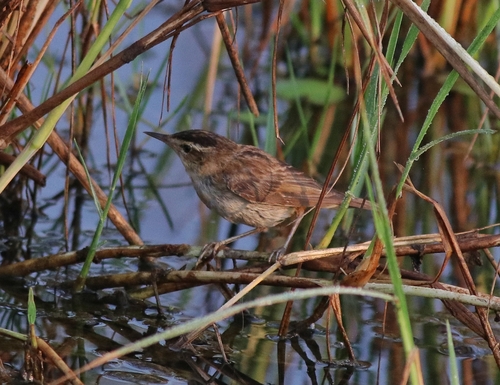 Forapaglie comune
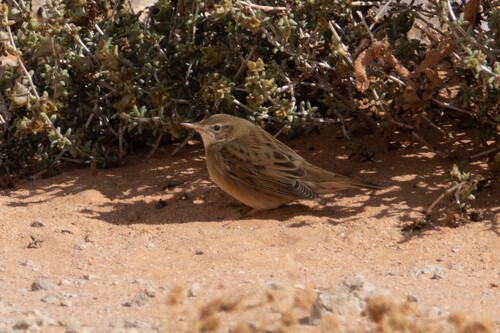 Forapaglie macchiettato
In breve
Il segno distintivo più affidabile per separare il Forapaglie comune dal Forapaglie macchiettato è il supercilium (sopracciglio) audace e chiaro del Forapaglie comune che spicca anche a distanza, mentre il Forapaglie macchiettato mostra solo una debole striscia oculare. I Forapaglie comuni giovani possono mostrare macchie scure sul petto, ma il Forapaglie macchiettato ha sempre almeno alcune striature sotto. In volo o posato, il Forapaglie comune appare più luminoso e contrastato, con una corona e un dorso striati, mentre il Forapaglie macchiettato è più uniformemente di un marrone oliva chiaro sopra con un dorso striato ma un viso meno contrastato. La struttura e il comportamento aiutano anche: il Forapaglie comune è più eretto e attivo, spesso cantando da posatoi esposti, mentre il Forapaglie macchiettato è segreto, strisciando basso nel folto e raramente mostrandosi. La voce è un fattore decisivo: il canto del Forapaglie comune è un warble variegato e chiacchierino, mentre quello del Forapaglie macchiettato è un lungo trill meccanico.
Consigli di identificazione
- Supercilium (sopracciglio): Il Forapaglie comune mostra sempre un supercilium forte, chiaro e ben definito che si estende bene dietro l'occhio. Il Forapaglie macchiettato ha al massimo una debole e corta striscia oculare, spesso appena visibile sul campo.
- Corona e viso: Il Forapaglie comune ha una corona striata di nero e una fronte appiattita, dando un modello di testa netto e contrastato. La corona del Forapaglie macchiettato è meno contrastata, con striature ma senza divisione netta, e il viso è più semplice con guance grigie.
- Dorso e coda: Il dorso del Forapaglie comune è marrone e fortemente striato, con una coda marrone calda e non striata che spicca dalle ali. Le parti superiori del Forapaglie macchiettato sono di un marrone oliva chiaro con ogni piuma striata centralmente, ma l'effetto complessivo è più uniforme, e la coda non contrasta fortemente.
- Parte inferiore: Le parti inferiori del Forapaglie comune sono chiare e per lo più semplici, tranne per le macchie scure sul petto nei giovani. Il Forapaglie macchiettato mostra sempre alcune striature o macchie scure sul petto e sui fianchi, dando un aspetto più striato sotto, specialmente nel piumaggio fresco.
- Coda: Il Forapaglie macchiettato ha una coda più lunga, più arrotondata e di un marrone rossiccio, spesso aperta e mostrando barre e copritrici sotto la coda striate. La coda del Forapaglie comune è più corta, meno arrotondata e non così ovviamente rossiccia o barrata.
- Becco: Il Forapaglie comune ha un becco forte e appuntito; il becco del Forapaglie macchiettato è più fine e meno robusto, ma questo è sottile sul campo.
- Colore delle zampe: Il Forapaglie comune ha zampe grigie; le zampe e i piedi del Forapaglie macchiettato sono di un marrone giallastro chiaro.
- Comportamento: Il Forapaglie comune è attivo, spesso posandosi in aperto, muovendo ali e coda, e eseguendo voli di canto. Il Forapaglie macchiettato è segreto, strisciando basso nel folto, raramente posandosi in aperto, e spesso correndo lungo i fusti con un passo alto.
- Canto: Il canto del Forapaglie comune è un warble variegato e chiacchierino con mimetismo, dato da posatoi esposti o in volo. Il canto del Forapaglie macchiettato è un lungo trill meccanico e acuto, spesso durando minuti e molto difficile da localizzare.
- Richiamo di allerta: Il Forapaglie comune emette un richiamo acuto 'chirr' o un richiamo rattling; il Forapaglie macchiettato emette un 'twkit-twkit-twkit' ripetuto.
- Habitat: Il Forapaglie comune preferisce le canneti e la vegetazione lungo le acque ed è spesso visto in aperto. Il Forapaglie macchiettato favorisce l'erba ruvida, i rovi, il gorse e la vegetazione bassa densa, di solito lontano dall'acqua aperta e raramente visto in aperto.
- Volo: Il Forapaglie comune può essere visto eseguire brevi voli di canto a paracadute con le ali tenute a 'V'. Il Forapaglie macchiettato vola raramente tranne quando viene disturbato, e poi si tuffa rapidamente di nuovo nel folto.
- Confusione giovanile: I giovani Forapaglie comuni possono mostrare macchie scure sul petto, ma il forte supercilium e la corona striata rimangono distintivi. I giovani Forapaglie macchiettati sono striati sotto ma mancano del modello di viso audace.
- Contesto stagionale: In migrazione o in inverno, entrambe le specie possono essere silenziose e più difficili da separare, ma il piumaggio più luminoso e contrastato del Forapaglie comune e il supercilium rimangono affidabili. Il comportamento segreto del Forapaglie macchiettato e la colorazione uniforme sono indizi.
- Trappole: Fai attenzione a confondere il Forapaglie comune con il Pagliarolo (che ha una striscia chiara sulla corona) o il Forapaglie castagnolo, ma il Forapaglie macchiettato è sempre più uniforme, meno contrastato e non mostra mai un forte supercilium.
Taglia
Entrambe le specie sono simili in lunghezza (Forapaglie comune: 11.5–13 cm; Forapaglie macchiettato: circa 12.5 cm) e peso (Forapaglie comune: ~12 g; Forapaglie macchiettato: 11.5–16 g) [wikipedia]. In mano, il Forapaglie macchiettato può essere leggermente più pesante, ma questo non è un segno distintivo affidabile. Strutturalmente, il Forapaglie comune appare spesso un po' più eretto e appuntito, con un becco più forte, mentre il Forapaglie macchiettato appare più snello e arrotondato, specialmente nella coda.
Piumaggio
- Uccelli giovani/immaturi: I giovani Forapaglie comuni mostrano macchie scure sul petto, che possono essere confuse con le striature del Forapaglie macchiettato, ma le macchie del Forapaglie comune sono più discrete e l'uccello mantiene un forte supercilium chiaro e una corona striata. I giovani e gli adulti del Forapaglie macchiettato hanno entrambi alcune striature o macchie scure sul petto e sui fianchi, ma mancano del forte supercilium e hanno un modello di viso più sobrio.
- Adulti: Il Forapaglie comune ha un dorso e ali marroni striati, una coda marrone calda non striata, una fronte appiattita, una corona striata di nero e un supercilium bianco prominente. Il Forapaglie macchiettato è di un marrone oliva chiaro sopra, con ogni piuma che ha una striscia scura centrale, una debole striscia oculare, guance grigie e piume della coda marrone rossiccio con barre deboli e copritrici sotto la coda striate. Le parti inferiori del Forapaglie comune sono chiare e semplici, mentre quelle del Forapaglie macchiettato sono di un crema o giallo-buff con striature/macchie sul petto e sui fianchi.
- Ali e coda: Le ali del Forapaglie comune sono striate, e la coda è di un marrone più caldo e contrasta con le ali più opache. Le ali del Forapaglie macchiettato sono marroni con bordi più chiari, e la coda è più lunga, più arrotondata e spesso aperta per mostrare il suo colore rossiccio e la debole barratura.
Comportamento
Il Forapaglie comune è molto più probabile essere visto in aperto, spesso cantando dalla cima delle canne o dei cespugli, e eseguirà voli di canto con una discesa a paracadute e le ali tenute a 'V'. È attivo, spesso muovendo ali e coda. Il Forapaglie macchiettato è estremamente schivo, vola raramente tranne quando viene disturbato, e trascorre la maggior parte del suo tempo strisciando attraverso la vegetazione densa, correndo lungo i fusti con un passo alto, e spesso alzando/aprendo la coda quando è posato. Quando disturbato, il Forapaglie macchiettato può fingere di essere ferito o tuffarsi immediatamente di nuovo nel folto.
Habitat
Entrambe le specie possono verificarsi in habitat simili di zone umide o praterie ruvide, ma il Forapaglie comune è più strettamente legato a canneti, paludi e vegetazione lungo le acque, dove è spesso evidente. Il Forapaglie macchiettato preferisce l'erba ruvida, i rovi, il gorse, le giovani piantagioni e le siepi incolte, spesso lontano dall'acqua aperta, ed è molto più segreto all'interno di coperture dense. È possibile una sovrapposizione, ma il Forapaglie comune è più probabile in canneti aperti e umidi; il Forapaglie macchiettato in terreni più secchi, cespugliosi o più ruvidi.
Voce
Il canto del Forapaglie comune è un veloce e chiacchierino miscuglio di frasi variegate, spesso includendo mimetismo e dato da un posato prominente o in volo. Il suo richiamo è un acuto 'chirr' o 'kerr', a volte formando un allerta rattling. Il canto del Forapaglie macchiettato è un lungo trill meccanico e acuto, spesso paragonato a un mulinello da pesca o a una macchina distante, e può durare minuti senza pausa. Il canto è ventriloquiale e molto difficile da localizzare. Il suo richiamo di allerta è un 'twkit-twkit-twkit' ripetuto. Il canto è la separazione più affidabile in primavera e all'inizio dell'estate.
Forapaglie comune · Forapaglie macchiettato · I miei uccelli difficili