
Salciaiola vs Forapaglie macchiettato
Locustella luscinioides contro Locustella naevia
Fai un quiz con Salciaiola e Forapaglie macchiettato
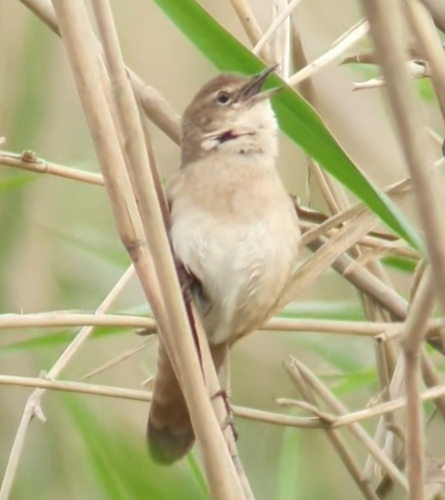 Salciaiola
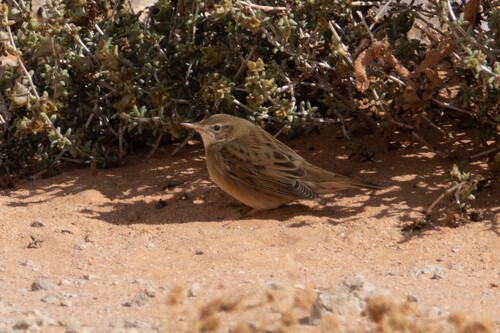 Forapaglie macchiettato
In breve
Il segno di campo più affidabile tra la Salciaiola e il Forapaglie macchiettato è la presenza o l'assenza di forti striature sulla parte superiore: il Forapaglie macchiettato mostra evidenti striature scure su un dorso olivastro chiaro, mentre la Salciaiola è di un uniforme marrone rossiccio scuro sopra senza striature. In volo o posata, cerca il petto e i fianchi striati del Forapaglie macchiettato rispetto alla parte inferiore uniforme della Salciaiola. La Salciaiola è leggermente più grande e con una coda più lunga, ma questo è sottile. Entrambe le specie sono furtive e si nascondono nei canneti, ma i loro habitat e canti preferiti differiscono, e questi possono aiutare a confermare l'identificazione quando il piumaggio è ambiguo.
Consigli di identificazione
- Controlla le striature sulla parte superiore: Il Forapaglie macchiettato mostra sempre forti striature scure su un dorso olivastro chiaro; la Salciaiola è uniforme e di un marrone rossiccio scuro sopra. Questo è il miglior segno di campo in tutte le età e stagioni.
- Cerca le striature sulla parte inferiore: Il Forapaglie macchiettato ha striature o macchie sul petto, fianchi e copritail; la Salciaiola è uniforme sotto senza striature.
- Schema facciale: Il Forapaglie macchiettato mostra solitamente una striscia oculare pallida più distinta dietro l'occhio e guance grigie; la Salciaiola ha una debole striscia oculare indistinta color buff e copritail color marrone chiaro.
- Schema della coda: La coda del Forapaglie macchiettato è marrone rossiccio con barre deboli e copritail striati; la Salciaiola è di un marrone uniforme con copritail non striati. Quando la coda è aperta o spiegata, questo può essere un segno utile.
- Colore del becco e delle gambe: La Salciaiola ha un becco e gambe marroni; il Forapaglie macchiettato ha una mandibola superiore più scura, una mandibola inferiore giallastra e gambe più chiare. Sottile, ma può aiutare in buona luce.
- Tono di colore generale: La Salciaiola è di un marrone più scuro e ricco; il Forapaglie macchiettato è più chiaro, più olivastro o giallastro.
- Dimensioni e struttura: La Salciaiola è leggermente più grande e con una coda più lunga, ma questo è raramente ovvio a meno che entrambe le specie non siano viste insieme. Entrambe sono snelle e con coda lunga.
- Comportamento posato: La Salciaiola è più propensa a arrampicarsi e cantare da steli di canna esposti in alto; il Forapaglie macchiettato di solito rimane basso nell'erba o nei cespugli, raramente posandosi in aperto.
- Comportamento in volo: Entrambe sono riluttanti a volare, ma il Forapaglie macchiettato spesso torna rapidamente nel riparo e può correre lungo il terreno; la Salciaiola può muoversi di più tra le canne.
- Contesto dell'habitat: Nei canneti densi ed estesi, la Salciaiola è molto più probabile; in aree cespugliose, erbose o arbustive, specialmente lontano dall'acqua, il Forapaglie macchiettato è favorito.
- Canto: Se sentito, il canto del Forapaglie macchiettato è più alto, più veloce, più prolungato e più difficile da localizzare; la Salciaiola è più bassa, più corta e spesso inizia con ticchettii. Usalo come conferma, non come unica identificazione.
- Stagione: Entrambe sono presenti in Europa in primavera/estate; la Salciaiola torna leggermente più tardi a nord (fine maggio), ma la sovrapposizione temporale è ampia.
- Sesso e età: Nessun forte dimorfismo sessuale in entrambe le specie; tutte le età del Forapaglie macchiettato sono striate sopra, tutte le Salciaiole sono uniformi.
- Trappole: I Forapaglie macchiettati usurati o bagnati possono sembrare meno striati, ma alcune striature sono sempre visibili. Le Salciaiole juvenile sono ancora uniformi sopra. Evita di fare affidamento solo su dimensioni o colore del becco.
- Quando hai dubbi: Concentrati sulla presenza o assenza di striature sulla schiena e sulla parte inferiore, e sul contesto dell'habitat. Se l'uccello sta cantando, usa il canto come indizio di supporto.
Taglia
La Salciaiola è un po' più grande, con una lunghezza di circa 14 cm, rispetto ai 12,5 cm del Forapaglie macchiettato. Questa differenza di dimensioni è modesta e spesso difficile da giudicare sul campo, specialmente senza un confronto diretto. Entrambe sono snelle, ma la Salciaiola può apparire leggermente più lunga e robusta, con una coda proporzionalmente più lunga. Il peso non è valutabile sul campo, ma il Forapaglie macchiettato è tipicamente più leggero (11,5–16 g).
Piumaggio
- Giovanile/immaturo/adulto non in riproduzione: La differenza più diagnostica è il modello della parte superiore: il Forapaglie macchiettato di tutte le età mostra parti superiori olivastre chiare con forti striature scure centrali su ciascuna piuma, dando un aspetto distintamente striato. La Salciaiola è sempre uniforme sopra, con un marrone rossiccio scuro uniforme o una leggera sfumatura verdastra, priva di striature o macchie.
- Parte inferiore: Il Forapaglie macchiettato ha parti inferiori color crema o giallastro-buff con macchie e striature marroni scure sul petto e sui fianchi, e copritail striati. La Salciaiola è molto più uniforme sotto, con gola e pancia bianco-buff, fianchi marrone sabbia e senza striature.
- Ali e coda: Le ali del Forapaglie macchiettato sono marroni con bordi più chiari, e la coda è marrone rossiccio con barre deboli e copritail striati. Le ali e la coda della Salciaiola sono di un marrone uniforme, senza barre o striature, e i copritail non sono striati.
- Schema facciale: Entrambe hanno deboli strisce oculari, ma quella della Salciaiola è più indistinta; quella del Forapaglie macchiettato è solitamente più evidente dietro l'occhio. La Salciaiola ha lore scure e copritail marrone chiaro, mentre le guance del Forapaglie macchiettato sono grigie.
- Becco e gambe: La Salciaiola ha un becco snello marrone e gambe marroni; il Forapaglie macchiettato ha una mandibola superiore marrone scuro, una mandibola inferiore giallastra e gambe giallastre-marroni chiare.
Comportamento
Entrambe le specie sono furtive e si nascondono in vegetazione densa, ma il Forapaglie macchiettato è particolarmente elusivo, trascorrendo molto tempo a scorrere attraverso l'erba e i cespugli bassi, raramente volando se non disturbato. Si muove spesso con un passo alto e apre la coda per mostrare i copritail striati. La Salciaiola è anche difficile da vedere se non canta, ma è più propensa ad arrampicarsi sugli steli di canna e cantare da posatoi esposti. Dopo l'instaurazione del territorio, la Salciaiola è più probabile che venga vista in aperto sopra le canne, mentre il Forapaglie macchiettato rimane basso e nascosto, anche quando canta.
Habitat
La Salciaiola è fortemente legata a canneti densi, paludi e lagune con ampie distese di canne e giunchi, a volte con cespugli sparsi. Il Forapaglie macchiettato preferisce terreni erbosi ruvidi, radure cespugliose, siepi trascurate, heath, giovani piantagioni e i bordi delle torbiere—spesso in habitat più asciutti, variati o cespugliosi rispetto alla Salciaiola. Sebbene entrambe possano sovrapporsi ai bordi delle zone umide, la Salciaiola è quasi sempre nei canneti densi, mentre il Forapaglie macchiettato è più flessibile, spesso trovato lontano dall'acqua in aree sovrastrutturate o cespugliose.
Voce
Entrambe le specie hanno un trillo distintivo, ma il canto del Forapaglie macchiettato è più acuto, più veloce e più prolungato, con una qualità ventriloqua che rende difficile la localizzazione. Il trillo della Salciaiola è simile ma più basso, meno prolungato e spesso inizia con una serie di ticchettii bassi. Il canto del Forapaglie macchiettato può durare diversi minuti ed è descritto come simile a un mulinello da pesca o a una macchina da falciatura lontana, udibile fino a 1 km. Il canto della Salciaiola è più corto e meno potente. I richiami di allerta sono suoni simili a ticchettii, ma la voce è meglio utilizzata come segno di supporto, non come separatore primario.
Salciaiola · Forapaglie macchiettato · I miei uccelli difficili