
Piovanello tridattilo vs White Tern
Calidris alba contro Gygis alba
Fai un quiz con Piovanello tridattilo e White Tern
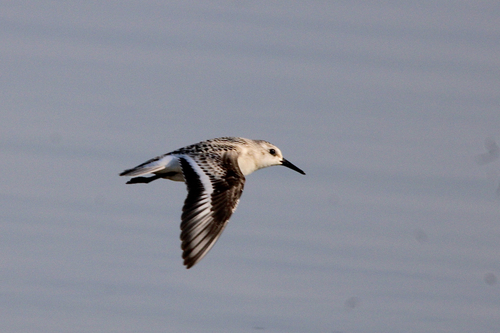 Piovanello tridattilo
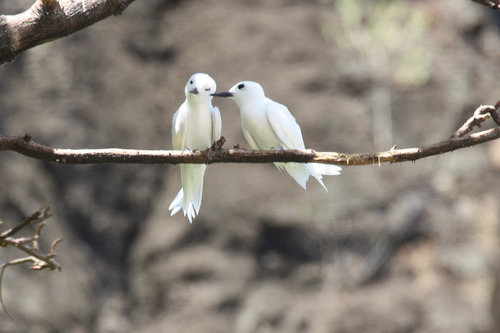 White Tern
In breve
Il modo più affidabile per separare il Piovanello tridattilo dal White Tern è attraverso la struttura generale e il colore delle gambe: il Piovanello tridattilo è un piccolo e tozzo piviere con gambe nere e un becco corto e dritto di colore nero, mentre il White Tern è un uccello marino snello e completamente bianco con un becco lungo e sottile di colore nero o bluastro e gambe grigie scure a grigie chiare. In volo, il Piovanello tridattilo mostra una forte banda alare bianca e un tipico aspetto da piviere, mentre il White Tern appare completamente bianco con una coda leggermente biforcuta e un volo leggero simile a quello delle sterne. Il Piovanello tridattilo è sempre visto correre lungo le spiagge o le zone umide, mai posato sugli alberi, mentre il White Tern è spesso visto volare sopra l'acqua o posato su rami o sporgenze. I giovani White Tern sono bianchi macchiati di grigio, ma non mostrano mai il motivo alare da piviere del Piovanello tridattilo.
Consigli di identificazione
- Colore delle gambe: Il Piovanello tridattilo ha sempre gambe nere; il White Tern ha gambe grigie scure a grigie chiare a seconda della sottospecie. Se vedi gambe chiare o grigie, non è un Piovanello tridattilo.
- Forma e lunghezza del becco: Il becco del Piovanello tridattilo è corto, dritto e nero; il becco del White Tern è lungo, sottile e nero a bluastro. La differenza è ovvia a distanza ravvicinata.
- Colore del piumaggio: L'adulto White Tern è completamente bianco tranne per una leggera striscia scura sulle primarie esterne in alcune sottospecie; il Piovanello tridattilo non è mai completamente bianco, anche nel suo piumaggio non riproduttivo più chiaro.
- Schema di volo e banda alare: Il Piovanello tridattilo in volo mostra una forte banda alare bianca sulla parte superiore dell'ala, visibile in tutte le età; il White Tern non mostra mai una banda alare simile a quella di un piviere, apparendo invece completamente bianco con una coda leggermente biforcuta.
- Forma della coda: Il White Tern ha una coda leggermente biforcuta con le penne seconde più lunghe; il Piovanello tridattilo ha una coda corta e quadrata tipica dei piviere.
- Occhio e faccia: Il White Tern ha un occhio nero con un anello di piume nere stretto, che conferisce un'espressione facciale sorprendente; il Piovanello tridattilo ha un occhio scuro semplice senza un anello a contrasto.
- Piumaggio giovanile: Il giovane Piovanello tridattilo è grigio chiaro sopra con piume scure al centro e una banda alare bianca; il giovane White Tern è bianco macchiato di grigio ma non mostra mai un motivo alare da piviere.
- Comportamento di posarsi: Il Piovanello tridattilo non è mai visto posato sugli alberi o sui rami; il White Tern si posa regolarmente su piccoli rami o sporgenze.
- Comportamento di foraggiamento: Il Piovanello tridattilo corre rapidamente lungo la sabbia, spesso in gruppi, beccando invertebrati; il White Tern cattura pesci tuffandosi e raramente, se mai, foraggia a terra.
- Habitat: Il Piovanello tridattilo si trova su spiagge sabbiose e zone umide; il White Tern si trova su isole tropicali, spesso lontano dalle coste continentali.
- Dimensioni e forma: Il White Tern è più grande, con ali più lunghe e più grazioso; il Piovanello tridattilo è piccolo, grassoccio e compatto.
- Alluce posteriore: Il Piovanello tridattilo non ha un alluce posteriore, a differenza della maggior parte dei piviere, ma questo non è visibile sul campo e non aiuta a separarlo dal White Tern.
- Contesto di gruppo: Il Piovanello tridattilo è spesso in stormi compatti sulle spiagge; il White Tern è solitamente visto singolarmente o in gruppi sciolti, spesso sugli alberi o sopra l'acqua.
- Contesto stagionale: Il Piovanello tridattilo è un riproduttore dell'Artico settentrionale e un migratore a lungo raggio, presente sulle spiagge in inverno; il White Tern è residente o un riproduttore locale su isole tropicali.
- Rischio di confusione: L'unica vera confusione si verifica con Piovanelli tridattili pallidi o giovani White Tern a distanza, ma la combinazione di struttura, comportamento e habitat è sempre diagnostica.
Taglia
Il White Tern è significativamente più grande e più pesante del Piovanello tridattilo. Il White Tern ha una massa corporea di circa 138 g [wikidata] e una lunghezza di 23–30 cm con un'apertura alare di 76–87 cm [wikipedia]. Il Piovanello tridattilo è più piccolo e più compatto, simile in dimensioni a un Piovanello pancianera, e notevolmente più robusto rispetto all'elegante White Tern dalle lunghe ali. Sul campo, il Piovanello tridattilo apparirà sempre come un piccolo uccello costiero tozzo, mentre il White Tern è un uccello marino di dimensioni medie e leggero.
Piumaggio
Per immaturi e adulti, il Piovanello tridattilo e il White Tern sono facilmente separabili per colore generale e schema di volo. Il Piovanello tridattilo in tutti i piumaggi mostra una forte banda alare bianca in volo, parti superiori scure nel piumaggio non riproduttivo e giovanile, e gambe e becco nerastre. L'assenza di un alluce posteriore è unica ma difficile da vedere sul campo. Il White Tern è completamente bianco da adulto, con solo una leggera striscia scura lungo le primarie esterne in alcune sottospecie (in particolare G. a. candida), e un anello di occhio nero stretto. La coda è leggermente biforcuta e il becco è lungo e nero a bluastro. Il giovane White Tern è bianco macchiato di grigio o marrone-grigiastro, ma non mostra mai la forte banda alare o il motivo da piviere del Piovanello tridattilo. Il Piovanello tridattilo non appare mai completamente bianco e non si posa mai sugli alberi.
Comportamento
Il Piovanello tridattilo è altamente gregario in inverno, correndo rapidamente lungo le spiagge sabbiose con un'azione distintiva delle gambe 'in bicicletta', fermandosi frequentemente per nutrirsi. È quasi sempre visto a terra, foraggiando nella zona intertidale, e non si posa mai sopra il suolo. Il White Tern, al contrario, è spesso visto volare graziosamente sopra l'acqua o posato su rami di alberi o strutture artificiali, raramente se mai visto correre a terra. Il suo volo è leggero e simile a quello delle sterne, e si nutre tuffandosi per i pesci.
Habitat
Il Piovanello tridattilo è strettamente un uccello costiero, trovato su spiagge sabbiose, zone umide e talvolta su fanghi o rive di laghi, ma mai nell'entroterra o sugli alberi. Il White Tern è un uccello marino degli oceani tropicali e subtropicali, che nidifica su isole coralline e si posa sugli alberi o su sporgenze rocciose. Non si trova mai a foraggiare lungo la riva come un piviere. Se vedi un piccolo uccello bianco posato su un albero o volare sopra l'oceano aperto, è un White Tern; se sta correndo lungo la spiaggia con altri piviere, è un Piovanello tridattilo.
Piovanello tridattilo · White Tern · I miei uccelli difficili