

Sacro vs Gyrfalcon
Falco cherrug contro Falco rusticolus
Fai un quiz con Sacro e Gyrfalcon
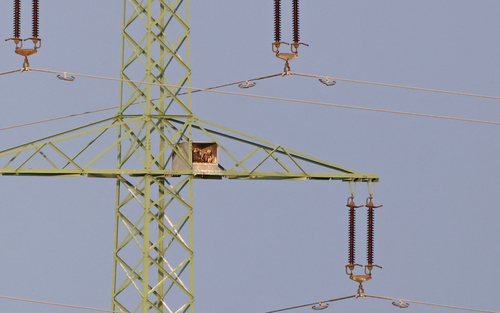 Sacro
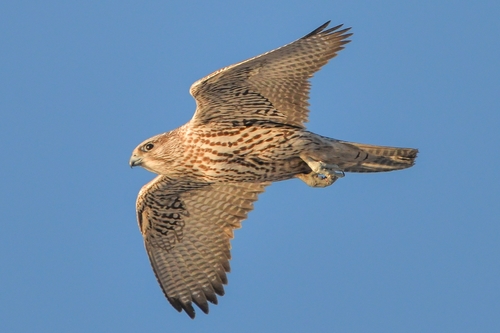 Gyrfalcon
In breve
Il segno distintivo più affidabile tra il Sacro e il Gyrfalcon è la dimensione e la struttura complessiva: il Gyrfalcon è decisamente più grande e massiccio, specialmente nelle femmine, con una corporatura più robusta e ali più larghe. Le piume giovanili e adulte di entrambe le specie sono variabili, ma i Sacri sono generalmente più marroni e più uniformemente striati, mentre i Gyrfalcon mostrano una vasta gamma di morfologie di colore che vanno dal bianco al nero, con gli uccelli chiari che sono diagnostici per il Gyr. In volo, i Gyrfalcon appaiono con ali più larghe e code più lunghe, mentre i Sacri sono leggermente più snelli. Entrambe le specie possono essere confuse a distanza, specialmente i Gyr e i Sacri di morfologia marrone, ma un'attenta attenzione alla dimensione, alla forma delle ali e al tono delle piume di solito le separa.
Consigli di identificazione
- La dimensione è il miglior indizio singolo: I Gyrfalcon sono molto più grandi e massicci dei Sacri, specialmente nelle femmine. Se l'uccello sovrasta un grande corvo o un'aquila, considera il Gyr.
- Struttura in volo: I Gyrfalcon hanno ali più larghe e una coda più lunga rispetto al Sacro, che è più snello e aerodinamico. In confronto diretto, il Gyr appare più robusto e potente.
- Gamma di colori delle piume: Solo il Gyrfalcon mostra morfologie bianche o grigie molto chiare ('argento'); qualsiasi falco prevalentemente bianco è un Gyr. Il Sacro è sempre marrone, mai bianco.
- Confusione di morfologia marrone: I Gyrfalcon marroni possono sembrare simili ai Sacri, ma di solito hanno un tono più freddo e grigiastro e striature crema sulla nuca/cappuccio. Il Sacro è marrone più caldo e più uniformemente striato.
- Confusione giovanile: Entrambi i giovanili sono striati e marroni, ma i giovanili del Sacro sono generalmente più scuri e più pesantemente striati, mentre i giovanili del Gyr possono mostrare accenni della loro morfologia adulta e sono spesso più freddi nel tono.
- Parte inferiore: I Gyrfalcon (specialmente le morfologie nere) possono mostrare forti macchie nere sotto, mentre i Sacri sono più pesantemente striati ma non macchiati.
- Schema della testa: I Gyrfalcon mancano di una striscia malare ben definita e di un cappuccio, che sono più tipici del Falco pellegrino, ma possono a volte aiutare a separare dal Sacro, che manca anche di forti marcature facciali.
- Contesto dell'habitat: In ambienti artici o di tundra, aspettati il Gyr; in steppa, prateria o semi-deserto, aspettati il Sacro. I vagabondi sono possibili ma rari.
- Aspetto in perching: I Gyrfalcon appaiono massicci e con un petto pesante quando sono in perching, con una grande testa e gambe spesse. I Sacri sono grandi ma più snelli e più eretti.
- Formula delle ali e coda: Non sono descritti differenze distintive, ma le ali del Gyr sono più larghe e la coda più lunga in proporzione.
- Voce: Il Sacro emette un 'kiy-ee' acuto o 'kyak-kyak-kyak', ma entrambi sono generalmente silenziosi e la voce è raramente utile.
- Differenze sessuali: Entrambe le specie sono sessualmente monomorfiche nel piumaggio, ma le femmine sono molto più grandi; la più grande femmina di Sacro può sovrapporsi con piccoli maschi di Gyr, ma la maggior parte dei Gyr è più grande.
- Variabilità del piumaggio: Il Sacro è variabile ma mai così chiaro come il Gyr più chiaro; fai attenzione ai Sacri chiari, ma non si avvicineranno alle morfologie argentee o bianche del Gyr.
- Tempi di migrazione: Il Sacro è un migrante parziale e può essere visto in aree meridionali in inverno, mentre il Gyr è per lo più residente nel lontano nord ma può vagare ampiamente in inverno.
- Confronto diretto: Se visti insieme, la dimensione, la massa e le morfologie più chiare del Gyr sono inconfondibili; il Sacro è sempre più snello e marrone.
Taglia
Il Gyrfalcon è il falco più grande del mondo, con maschi che pesano in media 1.130–1.170 g e femmine 1.585–1.752 g, e alcune femmine che raggiungono oltre 2.000 g. Il Sacro è più piccolo, con una massa corporea media di circa 1.000 g. In lunghezza, il Sacro è 45–57 cm (apertura alare 97–126 cm), mentre il Gyr è 48–65 cm (apertura alare 110–134 cm). I Gyrfalcon sono visibilmente più massicci e pesanti sul campo, specialmente quando visti in perching o accanto ad altri rapaci. I Sacri sono grandi ma più snelli e più aerodinamici.
Piumaggio
- Piumaggio giovanile/immaturo: Entrambe le specie sono più scure e più pesantemente striate quando giovani, ma i giovanili del Sacro tendono a essere più marroni in generale, mentre i giovanili del Gyr possono essere marroni ma spesso mostrano un tono più freddo e grigiastro e possono già mostrare accenni della loro morfologia adulta (specialmente negli uccelli chiari).
- Piumaggio adulto: I Sacri sono variabili ma generalmente marroni sopra con forti striature sotto, mancando delle morfologie estremamente chiare o bianche del Gyr. I Gyrfalcon sono altamente polimorfici: le morfologie bianche sono uniche per il Gyr, le morfologie argentee sono grigie chiare e le morfologie marroni possono assomigliare al Sacro ma sono di solito più fredde nel tono e spesso mostrano striature crema sulla nuca/cappuccio. I Gyr di morfologia nera sono molto scuri con forti macchie nere sotto, a differenza di qualsiasi Sacro. Il Sacro manca della gamma di morfologie chiare e bianche del Gyr.
- Schema di volo/ala superiore: Non è descritto alcun schema distintivo specifico per l'età per nessuna delle due specie nelle fonti, ma le ali più larghe e la coda più lunga del Gyr sono indizi strutturali in volo.
Comportamento
Entrambe le specie sono falchi potenti, ma i Gyrfalcon sono più propensi a essere visti in ambienti di tundra aperta ad alta latitudine e spesso cacciano su vaste spazi aperti. I Sacri sono migranti parziali, con alcune popolazioni che si spostano per lunghe distanze, ma sono più associati a steppa e paesaggi aperti nelle regioni temperate. I Gyrfalcon possono essere visti infastidire grandi uccelli o difendere aggressivamente i nidi sulle scogliere. Entrambi sono veloci e agili, ma la massa e la potenza del Gyr sono più evidenti in confronto diretto.
Habitat
I Gyrfalcon nidificano sulle coste artiche, nella tundra e nelle isole settentrionali, spesso nidificando su scogliere e raramente avventurandosi lontano a sud se non come vagabondi. I Sacri nidificano dall'Europa centrale alla Manciuria, preferendo la steppa aperta, le praterie e il semi-deserto. In inverno, i Sacri possono migrare verso il Sahel o il Plateau tibetano, ma non sono veramente artici. Se visti in tundra o nel lontano nord, il Gyr è molto più probabile; in steppa o in paesaggi aperti temperati, ci si aspetta il Sacro.
Voce
Il Sacro emette un 'kiy-ee' acuto o ripetuto 'kyak-kyak-kyak'. Non è fornita alcuna vocalizzazione distintiva per il Gyrfalcon nelle fonti, ma entrambi sono generalmente silenziosi al di fuori della stagione riproduttiva e la voce è raramente diagnostica sul campo.