

Rusty Blackbird vs Boat-tailed Grackle
Euphagus carolinus contro Quiscalus major
Fai un quiz con Rusty Blackbird e Boat-tailed Grackle
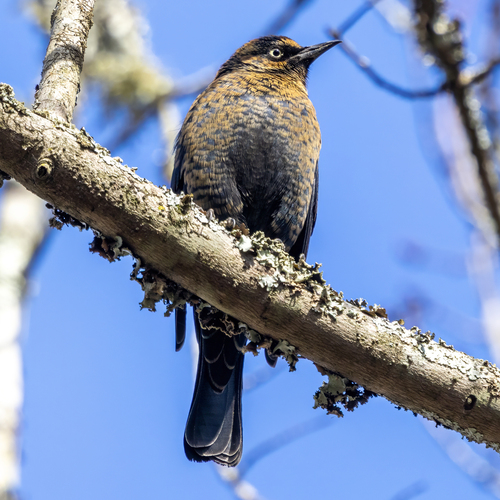 Rusty Blackbird
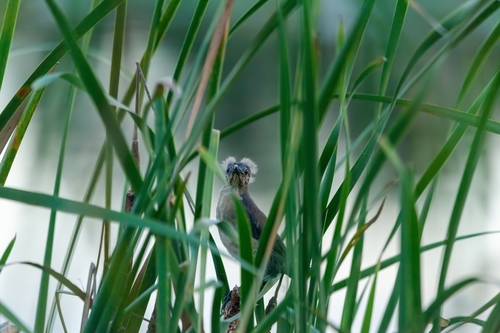 Boat-tailed Grackle
In breve
Il segno di campo più affidabile che separa il Rusty Blackbird dal Boat-tailed Grackle è la dimensione e la struttura: il Boat-tailed Grackle è molto più grande, con una coda a chiglia drammaticamente più lunga e un becco più pesante e lungo, particolarmente evidente nei maschi. Il Rusty Blackbird è un uccello di medie dimensioni con un becco appuntito e un occhio giallo pallido, spesso mostrando una lavatura marrone ('arrugginita') in inverno, mentre i maschi del Boat-tailed Grackle sono completamente neri lucidi e le femmine sono marroni con una coda più corta. In volo, la lunga coda a pala del grackle e il suo volume si distinguono, mentre il Rusty Blackbird è più compatto e privo della coda esagerata. L'habitat è anche un forte indizio: il Rusty Blackbird preferisce le foreste umide e le paludi boschive, mentre il Boat-tailed Grackle è legato alle paludi costiere e alle aree urbane vicino all'acqua nel Sud-est e nell'Atlantico centrale. I Boat-tailed Grackles immaturi e femminili possono causare confusione, ma prestando attenzione alla dimensione, alla coda e al colore degli occhi si risolvono la maggior parte delle ambiguità.
Consigli di identificazione
- Size is a primary clue: Il Boat-tailed Grackle è quasi tre volte più pesante del Rusty Blackbird. Se l'uccello appare grande e voluminoso tra i blackbird, sospetta il grackle.
- Tail shape and length: I maschi del Boat-tailed Grackle hanno una coda a chiglia molto lunga, spesso tenuta a V o aperta. La coda del Rusty Blackbird è più corta e priva della forma esagerata. Anche le femmine dei grackles hanno code più lunghe rispetto ai Rusty Blackbirds.
- Bill structure: Il becco del Boat-tailed Grackle è più lungo e pesante, specialmente nei maschi. Il Rusty Blackbird ha un becco più snello e appuntito.
- Eye color: Il Rusty Blackbird di entrambi i sessi mostra un occhio giallo pallido, un segno distintivo. L'iride del Boat-tailed Grackle varia: pallida sulla costa atlantica, scura nel Golfo/interno, ma mai così pallida come quella del Rusty Blackbird.
- Plumage gloss: I maschi adulti del Boat-tailed Grackle sono neri lucidi in tutto. I maschi del Rusty Blackbird sono neri con una leggera lucentezza verde/viola, ma in inverno mostrano una lavatura marrone ('arrugginita'), specialmente sulla schiena e sui fianchi.
- Female/immature confusion: Le femmine del Boat-tailed Grackle sono molto più grandi, marrone chiaro con ali e coda più scure, e mancano delle tonalità grigie delle femmine del Rusty Blackbird. Le femmine immaturi dei grackles hanno macchie sul petto; le femmine del Rusty Blackbird sono più uniformemente grigie.
- Habitat context: Nelle paludi costiere, specialmente quelle salmastre, o nelle aree urbane vicino alla costa, ci si aspetta di trovare il Boat-tailed Grackle. Il Rusty Blackbird preferisce le paludi boschive, le foreste umide ed è raramente trovato in habitat costieri aperti o urbani.
- Behavior: I Boat-tailed Grackles sono audaci, rumorosi e spesso visti in grandi stormi appariscenti, a volte a cercare cibo in ambienti umani. I Rusty Blackbirds sono più silenziosi, più riservati e si attengono a zone umide naturali e boschive.
- Flight jizz: In volo, la lunga coda a pala del Boat-tailed Grackle è evidente, spesso che segue o è aperta. Il Rusty Blackbird appare più compatto, con una coda più corta e un profilo di volo meno esagerato.
- Vocalizations: I Boat-tailed Grackles sono forti e vari nei loro richiami; i Rusty Blackbirds sono più silenziosi, con canti gorgoglianti e striduli principalmente in primavera.
- Seasonal plumage: Il piumaggio invernale marrone arrugginito del Rusty Blackbird è unico; il Boat-tailed Grackle non mostra mai questa colorazione.
- Mixed flocks: I Rusty Blackbirds possono unirsi a stormi misti di blackbird durante la migrazione/inverno, ma i Boat-tailed Grackles sono più propensi a trovarsi in gruppi di specie singole o dominati dai grackles, specialmente nelle aree costiere.
- Geographic range: Se sei lontano dalla costa del Sud-est o dell'Atlantico centrale, è improbabile trovare il Boat-tailed Grackle; il Rusty Blackbird ha un'area di migrazione più ampia ma è in declino e raro in molte aree.
- Perched posture: I Boat-tailed Grackles spesso si posano in alto e si mostrano con le code aperte; i Rusty Blackbirds si posano più modestamente, spesso più in basso nella vegetazione.
- Pitfall: I maschi immaturi del Boat-tailed Grackle (neri ma opachi) possono essere confusi con il Rusty Blackbird, ma la dimensione, la coda e il colore degli occhi li separeranno.
Taglia
Il Boat-tailed Grackle è molto più pesante e più grande del Rusty Blackbird. I maschi adulti del Boat-tailed Grackle pesano in media circa 159 g (i maschi spesso molto più pesanti), mentre i Rusty Blackbirds pesano circa 60 g. Il corpo del grackle è più lungo e la coda è particolarmente prominente: molto lunga e a chiglia nei maschi, ancora più lunga del Rusty Blackbird nelle femmine. Anche le femmine del Boat-tailed Grackle, sebbene più piccole dei maschi, sono notevolmente più grandi e più robuste dei Rusty Blackbirds. In un confronto diretto, il Rusty Blackbird appare compatto e snello, privo della presenza imponente del grackle.
Piumaggio
- Juveniles/immatures: I giovani maschi del Boat-tailed Grackle sono neri ma mancano di forte iridescenza; le femmine immature sono marrone opaco con petti macchiati. I giovani del Rusty Blackbird non sono descritti in dettaglio, ma non si nota un forte schema dell'ala superiore per nessuna delle due specie, quindi la confusione è più probabile con uccelli opachi o marroni.
- Adult males: I maschi del Rusty Blackbird sono neri con una leggera lucentezza verde e viola, e un occhio giallo pallido distintivo; in inverno, mostrano una lavatura marrone ('arrugginita'). I maschi del Boat-tailed Grackle sono più grandi, completamente neri lucidi, e hanno una lunga coda a chiglia e un'iride giallastra o marrone (varia a seconda della regione).
- Adult females: Le femmine del Rusty Blackbird sono più grigie nel complesso, con un occhio pallido. Le femmine del Boat-tailed Grackle sono marrone chiaro con ali e coda più scure, una coda più corta rispetto ai maschi, e un occhio scuro o pallido a seconda della posizione. La femmina del grackle è molto più grande e marrone, mentre la femmina del Rusty Blackbird è più piccola e grigia.
- Key contrast: L'occhio giallo pallido del Rusty Blackbird (in entrambi i sessi) è un segno forte, specialmente rispetto al colore variabile dell'iride del grackle. La lavatura arrugginita o marrone in inverno dei Rusty Blackbirds è unica e non è eguagliata dal piumaggio del grackle.
Comportamento
I Rusty Blackbirds si nutrono silenziosamente su terreni umidi o in acque poco profonde, spesso in piccoli stormi, e sono più riservati. I Boat-tailed Grackles sono più audaci, spesso visti in stormi appariscenti e rumorosi, a cercare cibo in paludi aperte, aree urbane e persino a cercare cibo in parcheggi e patii. I grackles mostrano un comportamento più aggressivo e dominante, specialmente i maschi con la loro apertura della coda e il pavoneggiarsi. I Rusty Blackbirds sono meno probabili da vedere in aree urbane o altamente disturbate.
Habitat
Il Rusty Blackbird si trova in habitat umidi e boschivi: foreste boreali, paludi boschive e muschi, specialmente durante la migrazione e l'inverno. Evita le paludi costiere aperte e gli ambienti urbani. Il Boat-tailed Grackle è strettamente associato alle paludi salmastre costiere, alla penisola della Florida e alle aree costiere urbanizzate del Sud-est e dell'Atlantico centrale. Se vedi un blackbird in una palude costiera o in un parcheggio cittadino vicino alla costa, è molto più probabile che sia un Boat-tailed Grackle. Il Rusty Blackbird è raramente trovato in questi habitat.
Voce
Il canto del Rusty Blackbird è un mix di gorgoglii e striduli ad alta frequenza, ed è generalmente silenzioso al di fuori della stagione di riproduzione. Il Boat-tailed Grackle è molto più vocale, con una vasta gamma di richiami e canti aspri e squillanti, spesso eseguiti in esibizioni appariscenti. Se senti vocalizzazioni forti, varie e frequenti, specialmente in gruppo, è più probabile che sia un Boat-tailed Grackle.
Rusty Blackbird · Boat-tailed Grackle · I miei uccelli difficili