

Usignolo d'Africa vs Rufous-tailed Robin
Cercotrichas galactotes contro Larvivora sibilans
Fai un quiz con Usignolo d'Africa e Rufous-tailed Robin
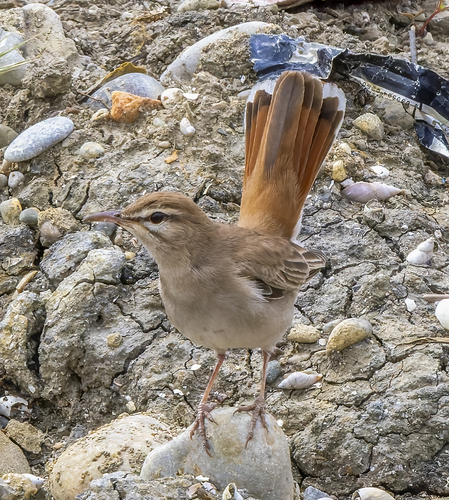 Usignolo d'Africa
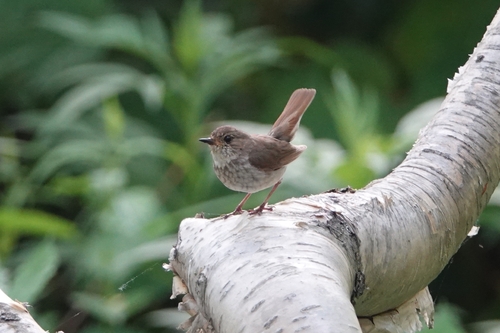 Rufous-tailed Robin
In breve
Il segno distintivo più affidabile per separare l'Usignolo d'Africa dal Rufous-tailed Robin è il forte supercilium (sopracciglio) bianco-cremoso e la striscia oculare scura dell'Usignolo d'Africa, in contrasto con il modello facciale meno distintivo del Rufous-tailed Robin e le marcature audaci della gola. L'Usignolo d'Africa è più grande e slanciato, con una coda più lunga e rotonda che è spesso aperta e mostra un motivo nero e bianco alla punta, mentre il Rufous-tailed Robin è più piccolo, più compatto e uniforme sopra con una coda rufous brillante ma senza un forte motivo di coda. I giovani di entrambi sono più chiari, ma l'Usignolo d'Africa mostra ancora il contrasto facciale e il motivo della coda. In volo o posato, concentrati sulla forma della coda, le marcature facciali e la struttura generale per una rapida separazione.
Consigli di identificazione
- Supercilium e Striscia Oculare: L'Usignolo d'Africa ha un supercilium bianco-cremoso audace e una striscia oculare scura, creando un forte contrasto facciale. Il Rufous-tailed Robin ha un modello facciale meno distintivo, con una striscia guancia color crema e un anello oculare bianco ma senza striscia oculare scura.
- Motivo della Coda: La coda dell'Usignolo d'Africa è rufous-castano con ampie bande nere e punte bianche, particolarmente evidente quando è aperta o scossa; la coda del Rufous-tailed Robin è rufous brillante ma priva di bande nere o punte bianche.
- Forma della Coda e Comportamento: La coda dell'Usignolo d'Africa è più lunga, rotonda e spesso aperta o scossa in modo evidente. La coda del Rufous-tailed Robin è più corta, più dritta e solo occasionalmente scossa.
- Dimensioni e Struttura: L'Usignolo d'Africa è più grande, con gambe più lunghe e più eretto; il Rufous-tailed Robin è più piccolo, più compatto e si posiziona più in basso rispetto al suolo.
- Colore della Parte Superiore: L'Usignolo d'Africa è di un ricco castano-rossiccio sopra, con un dorso più caldo e più chiaro negli uccelli occidentali; il Rufous-tailed Robin è uniforme grigio-castano sopra senza toni castano.
- Parte Inferiore: L'Usignolo d'Africa è bianco-cremoso sotto, più chiaro sul mento e sull'addome; il Rufous-tailed Robin è grigio a bianco sotto con pesanti macchie circolari chiare sulla gola e sul petto (specialmente nei giovani e negli adulti freschi).
- Motivo delle Ali: Le ali dell'Usignolo d'Africa hanno piume marroni scure con frange color crema e castano e secondarie con punte bianche; le ali del Rufous-tailed Robin sono uniformi e prive di segni.
- Piumaggio Giovanile: Entrambi sono più chiari degli adulti, ma i giovani dell'Usignolo d'Africa mantengono il supercilium e il motivo della coda, mentre i giovani del Rufous-tailed Robin sono di un tono ocra con parti superiori bordate di scuro e mantengono le audaci macchie della gola.
- Colore delle Gambe: L'Usignolo d'Africa ha gambe e piedi marroni chiari; le gambe del Rufous-tailed Robin sono grigio-rosate.
- Becco: Entrambi hanno becchi marroni, ma il mandibola inferiore dell'Usignolo d'Africa ha una base grigia, mentre il mandibola inferiore del Rufous-tailed Robin è leggermente sollevato alla punta.
- Comportamento: L'Usignolo d'Africa è più probabile che venga visto in spazi aperti, posandosi in alto o saltellando a terra; il Rufous-tailed Robin è riservato, spesso nascosto in copertura densa.
- Habitat: L'Usignolo d'Africa predilige aree secche, aperte e cespugliose; il Rufous-tailed Robin si trova in foreste umide e dense o ai margini delle foreste.
- Canto: Il canto dell'Usignolo d'Africa è simile a quello di un allodola e triste, spesso da un posatoio esposto; il canto del Rufous-tailed Robin è un forte trill a cascata, più simile a quello di un usignolo, e può essere udito di notte.
- Stagione e Distribuzione: L'Usignolo d'Africa si trova intorno al Mediterraneo e nell'Asia occidentale in estate, svernando in Africa e India; il Rufous-tailed Robin nidifica nel nord-est asiatico e sverna nel sud-est asiatico. Entrambi sono rari vagabondi in Europa, ma il contesto può aiutare.
- Trappole: In scarsa illuminazione o visioni brevi, la coda rufous di entrambi può fuorviare; controlla sempre il motivo della coda (nero e bianco nell'Usignolo d'Africa), il contrasto facciale e le dimensioni/struttura complessive prima di concludere.
Taglia
L'Usignolo d'Africa è decisamente più grande (massa corporea ~22.7g) e più lungo (circa 15 cm/6 in), con gambe più lunghe e una coda proporzionalmente più grande e rotonda. Il Rufous-tailed Robin è più piccolo (circa 14 cm/5.5 in), più compatto e più vicino in dimensioni a un Pettirosso. Le dimensioni e l'aspetto slanciato dell'Usignolo d'Africa sono spesso evidenti sul campo, specialmente quando entrambi sono visti fianco a fianco o confrontati con specie familiari.
Piumaggio
- Giovani: I giovani di entrambe le specie assomigliano agli adulti ma sono più chiari; i giovani dell'Usignolo d'Africa sono di un marrone sabbioso con un supercilium e un motivo di coda ancora prominenti, mentre i giovani del Rufous-tailed Robin sono di un tono ocra con parti superiori bordate di scuro e mantengono le audaci macchie della gola.
- Adulti: L'Usignolo d'Africa è di un ricco castano-rossiccio sopra, con un sottocoda e una coda rufous, un forte supercilium bianco-cremoso e una striscia oculare scura. La coda è di un brillante castano-rossiccio con bande nere e punte bianche, particolarmente visibile quando è aperta. Le parti inferiori sono bianco-cremoso, più chiare sul mento e sull'addome. Il Rufous-tailed Robin è uniforme grigio-castano sopra, con un sottocoda e una coda rufous brillanti, ma privo del motivo di coda dell'Usignolo d'Africa; le sue parti inferiori sono grigie a bianche con pesanti macchie circolari chiare sulla gola e sul petto, e una pronunciata striscia guancia color crema e un anello oculare bianco. Le piume delle ali dell'Usignolo d'Africa sono marroni scure con frange color crema e castano e secondarie con punte bianche; le ali del Rufous-tailed Robin sono uniformi, prive di un forte motivo.
Comportamento
L'Usignolo d'Africa è spesso visto in aree aperte, saltellando tra i cespugli, posandosi in luoghi esposti e frequentemente aprendo e scuotendo la coda. Salta anche a terra e può abbassare e scuotere le ali. Il Rufous-tailed Robin è molto più riservato ed elusivo, rimanendo nascosto tra rami densi, restando fermo per lunghi periodi e solo occasionalmente scuotendo la coda. Il comportamento dell'Usignolo d'Africa è più evidente e eretto, mentre il Rufous-tailed Robin è riservato e terrestre.
Habitat
L'Usignolo d'Africa preferisce terreni secchi e aperti con cespugli e arbusti sparsi, spesso in paesaggi mediterranei o semi-aridi. Si trova in posizioni aperte e talvolta su fili o pali. Il Rufous-tailed Robin nidifica in foreste miste o conifere umide con una densa vegetazione, spesso in taiga o foreste a foglia larga, e sverna in aree boschive o cespugliose nel sud-est asiatico. Il contesto dell'habitat è un forte indizio: l'Usignolo d'Africa è raramente in foreste dense, mentre il Rufous-tailed Robin evita habitat aperti e aridi.
Voce
L'Usignolo d'Africa canta una serie di note simili a quelle di un allodola, a volte disgiunte, spesso descritte come chiare, forti e con un tono triste, emesse da posatoi prominenti. Il canto del Rufous-tailed Robin è una serie di forti trilli a cascata che inizia alto e termina più in basso, simile al nitrito di un cavallo, e viene emesso sia di giorno che di notte durante la stagione di nidificazione. I richiami differiscono: l'Usignolo d'Africa è meno descritto, mentre il Rufous-tailed Robin emette fischi e un tintinnio 'chok-chok' quando è allarmato o con i giovani. La struttura del canto e il posatoio possono aiutare, ma sono meno affidabili rispetto al piumaggio e alla struttura.
Usignolo d'Africa · Rufous-tailed Robin · I miei uccelli difficili