

Rufous-bellied Niltava vs Chinese Vivid Niltava
Niltava sundara contro Niltava oatesi
Fai un quiz con Rufous-bellied Niltava e Chinese Vivid Niltava
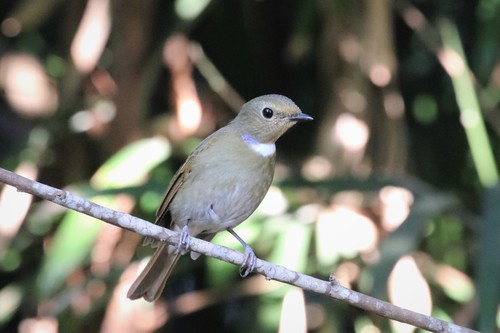 Rufous-bellied Niltava
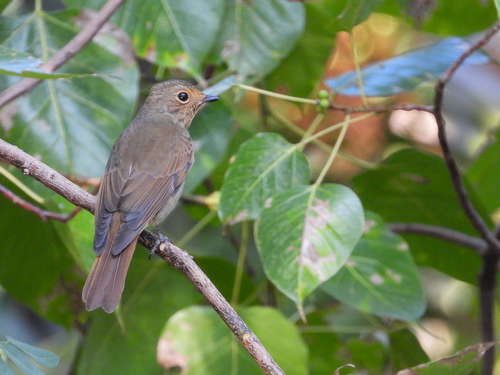 Chinese Vivid Niltava
In breve
Il segno di campo più affidabile tra il Rufous-bellied Niltava e il Chinese Vivid Niltava è la ricca colorazione rufous delle parti inferiori del Rufous-bellied Niltava, che non è mai eguagliata dal Chinese Vivid Niltava. Entrambi sono niltavas robusti e dalla coda corta con aree sovrapposte nell'Himalaya orientale e nel sud della Cina, quindi è possibile confonderli, specialmente con le femmine e gli immaturi. Le differenze strutturali sono sottili, quindi concentrati sul colore delle parti inferiori e su eventuali accenni di blu o viola nel piumaggio. La variazione delle sottospecie nel Rufous-bellied Niltava può causare femmine più chiare o più olivastre, ma il ventre rufous rimane un punto chiave di separazione.
Consigli di identificazione
- Le parti inferiori rufous sono diagnostiche: Qualsiasi uccello che mostra un ricco lavaggio rufous o arancione sul ventre o sul vent è un Rufous-bellied Niltava, indipendentemente dal sesso o dall'età. Il Chinese Vivid Niltava non mostra mai questa colorazione.
- Piumaggio maschile: I maschi del Rufous-bellied Niltava sono blu scuro sopra con un ventre rufous a contrasto. I maschi del Chinese Vivid Niltava sono blu sopra ma mancano del rufous sotto, apparendo più uniformemente blu o blu e bianco.
- Piumaggio femminile: Le femmine del Rufous-bellied Niltava possono essere variabili (alcune sottospecie sono più chiare, più olivastre o hanno un ventre più grigio), ma mantengono sempre un po' di rufous o marrone caldo sulle parti inferiori. La femmina del Chinese Vivid Niltava è più uniformemente marrone o olivastra, priva di qualsiasi forte lavaggio rufous.
- Trappole delle sottospecie: Alcune sottospecie di Rufous-bellied Niltava (ad es., whistleri) hanno parti inferiori più chiare nei maschi e più grigio-olivastre nelle femmine, che possono avvicinarsi alle tonalità del Chinese Vivid Niltava, ma il ventre rufous è ancora presente, sebbene meno intenso.
- Colore della coda e delle parti superiori nelle femmine: Le femmine del Rufous-bellied Niltava possono mostrare code e parti superiori più chiare, a volte con rufous sulle copritrici della coda e sui bordi della coda (specialmente denotata), mentre le femmine del Chinese Vivid Niltava sono più uniformemente colorate.
- Nessuna differenza utile nei pattern delle ali o nel volo: Nessuna delle due specie è descritta come avente pattern distintivi delle ali superiori nei giovani o negli immaturi, quindi le viste in volo non sono particolarmente utili.
- La struttura non è diagnostica: Entrambi sono niltavas grandi e robusti con un becco a base larga, testa arrotondata e coda corta. Non fare affidamento solo sulla struttura.
- Sovrapposizione dell'habitat: Entrambi si trovano in habitat forestali simili nell'Himalaya orientale e nel sud della Cina, quindi non usare l'habitat come separatore principale dove le aree si sovrappongono.
- Contesto geografico: Nelle parti occidentali dell'Himalaya (Pakistan, Nepal, Uttarakhand), si trova solo il Rufous-bellied Niltava, quindi un niltava qui con qualsiasi rufous sotto è quasi certamente questa specie.
- Contesto stagionale: Il Rufous-bellied Niltava non in riproduzione può trovarsi più a sud del Chinese Vivid Niltava, ma questo non è un segno di campo affidabile senza conoscenza dell'area.
- Forma del becco e della testa: Entrambe le specie hanno un becco a base larga e una testa arrotondata; questi non sono utili per la separazione.
- Nessuna differenza vocale fornita: Se senti un niltava, non tentare di separare queste due specie in base alla voce secondo le fonti attuali.
- Confusione nei giovani/immaturi: Non sono descritti segni specifici per gli uccelli giovani, quindi usa il colore delle parti inferiori come indizio principale anche negli immaturi con piumaggio fresco.
- Trappole di illuminazione: In ombra profonda, le parti inferiori rufous del Rufous-bellied Niltava possono apparire più opache, ma dovrebbero comunque essere visibili con pazienza.
- Fagotti misti: Entrambe le specie possono unirsi a fagotti di specie miste nel sottobosco forestale; controlla ogni individuo per il colore delle parti inferiori piuttosto che assumere la specie per associazione.
Taglia
Il Rufous-bellied Niltava è un niltava grande e robusto, che misura 15–18 cm e pesa 19–24 g [wikipedia]. Non sono disponibili dati diretti sulle dimensioni del Chinese Vivid Niltava nelle fonti fornite, ma entrambi sono descritti come niltavas robusti e dalla testa larga. Sul campo, le dimensioni non sono un separatore affidabile tra questi due, poiché entrambi appaiono simili e tozzi.
Piumaggio
Per tutte le età e i sessi, il Rufous-bellied Niltava mostra un distintivo lavaggio rufous o arancione sul ventre e sul vent, che manca nel Chinese Vivid Niltava. I maschi del Rufous-bellied Niltava (soprattutto le sottospecie nominate e denotata) sono blu brillante sopra con un ricco rufous sotto, mentre i maschi del Chinese Vivid Niltava sono blu sopra ma mancano delle parti inferiori rufous. Le femmine del Rufous-bellied Niltava variano per sottospecie: alcune hanno code più chiare, parti inferiori più olivastre o grigio-olivastre, ma mostrano sempre almeno un po' di rufous o marrone caldo sul ventre, specialmente rispetto alla femmina più uniformemente marrone o olivastra del Chinese Vivid Niltava. Non sono descritte differenze specifiche di pattern delle ali superiori o di volo nelle fonti, quindi le viste per posato e il colore delle parti inferiori sono più utili.
Comportamento
Entrambe le specie sono tipici niltavas, spesso visti singolarmente o in coppie nel denso sottobosco forestale o ai margini della foresta. Si posano eretti e si lanciano per gli insetti, ma non sono notate differenze comportamentali nelle fonti che possano separarle affidabilmente sul campo.
Habitat
Entrambe le specie condividono habitat simili: foreste umide subtropicali o tropicali di pianura e montane. Il Rufous-bellied Niltava ha un'area più ampia, che si estende dal Pakistan e Nepal verso est fino al Vietnam e a sud nell'Indocina, mentre il Chinese Vivid Niltava si trova dall'Himalaya orientale fino al sud della Cina. Nelle aree di sovrapposizione (Himalaya orientale, sud della Cina), l'habitat da solo non le separa.
Rufous-bellied Niltava · Chinese Vivid Niltava · I miei uccelli difficili